
Why Quality Control Matters in Stamping Pressing
Stamping pressing produces components at high speed where defects can multiply rapidly into significant quality escapes and production disruptions. Unlike machining operations where individual parts receive dedicated attention, stamping quality depends on process stability maintained across thousands of strokes. Effective quality control in stamping pressing focuses on preventing defects through process control rather than detecting them through inspection alone.
Industrial buyers sourcing stamped components benefit from understanding the quality control practices that distinguish reliable stamping pressing suppliers from those who rely primarily on inspection to catch problems after they occur. Prevention-based quality systems deliver consistent quality more reliably than inspection-based approaches, reducing total cost and protecting buyer product quality.
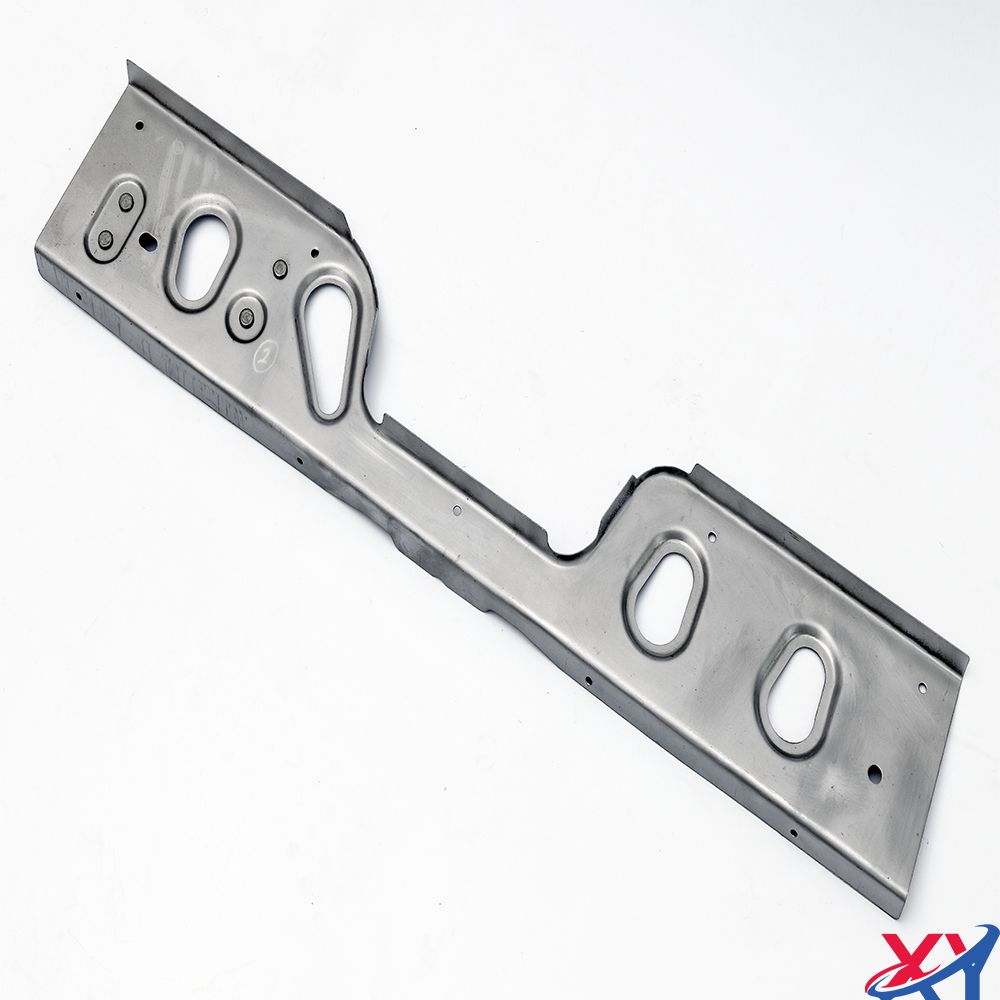
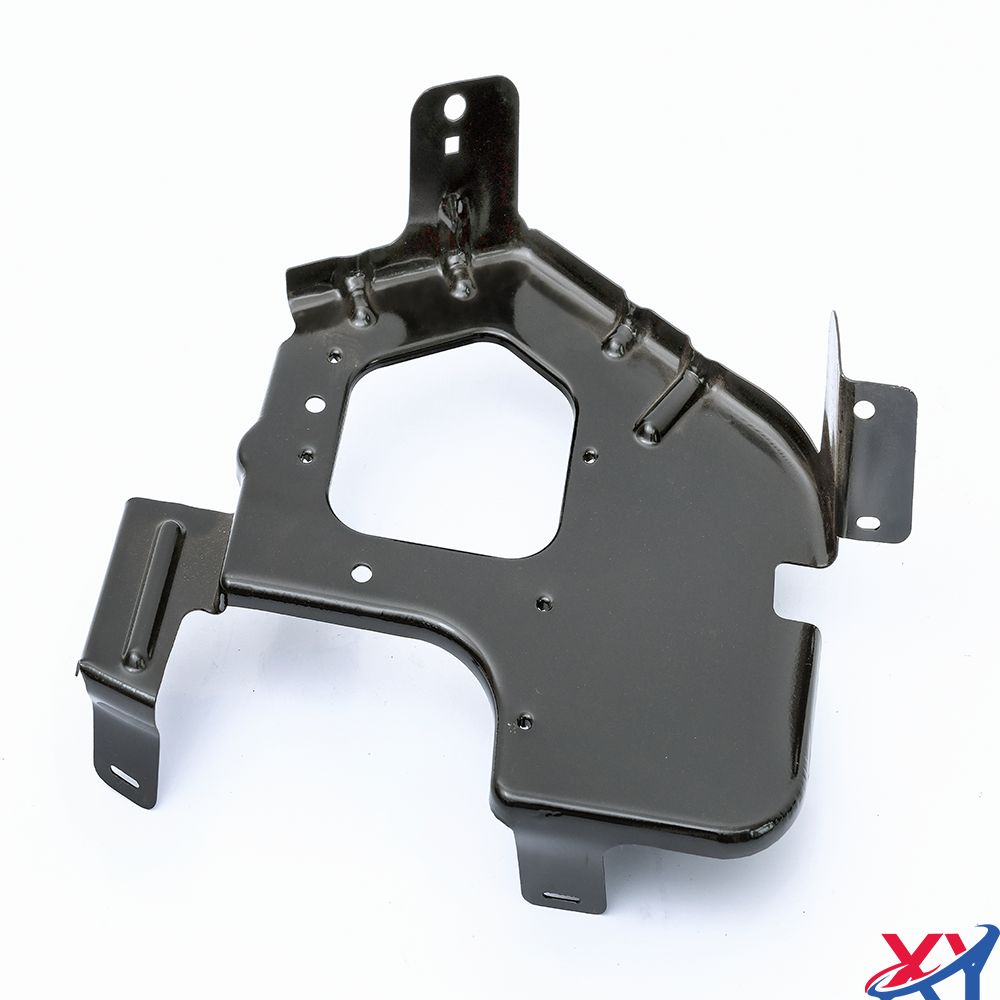
Die Maintenance and Management Systems
The stamping die determines part quality directly, and stamping pressing quality control begins with systematic die maintenance practices. Dies accumulate wear at cutting edges, forming surfaces, and guide elements that affect dimensional accuracy and functional performance. Professional suppliers track die wear progression, perform preventive maintenance before degradation affects quality, and maintain die records that identify performance trends and maintenance needs.
Die management quality control elements include:
Die maintenance schedules based on production stroke counts
Wear monitoring and measurement practices for critical features
Preventive maintenance performance before quality degrades
Die storage and handling preventing damage between production runs
Die modification control and documentation practices
Material Verification and Lot Control
Stamping pressing quality depends fundamentally on correct incoming materials, and material verification practices protect against incorrect or nonconforming stock. Material properties including thickness, temper, and surface condition affect stamping quality directly. Suppliers who verify material conformance before production prevent problems that cannot be corrected after stamping is complete.
Material control practices for stamping pressing include:
Incoming material verification against purchase order requirements
Thickness and surface condition measurement documentation
Lot traceability from incoming receipt through finished shipment
Material segregation preventing mix-ups between lots or alloys
Out-of-spec material identification and containment procedures
Process Parameter Monitoring
Stamping pressing quality control requires monitoring the process parameters that directly influence dimensional accuracy and functional performance. Press stroke count, dwell time, blank positioning, and feeding accuracy all affect part quality in ways that operators must observe and respond to. Statistical process control tracks parameter trends that predict quality degradation before specification violations occur.
Process monitoring elements for stamping pressing include:
Press tonnage monitoring to detect tool wear or material changes
Feed accuracy verification at regular intervals
Die alignment and closing dimension monitoring
Statistical process control application to critical dimensions
Parameter trend analysis identifying maintenance needs
First Article and In-Process Inspection
Systematic stamping pressing quality control begins with first article inspection that verifies correct setup before production runs proceed, then maintains confidence through in-process verification. First article inspection validates that all parameters are correctly established, while in-process inspection confirms that process stability continues throughout the run. This layered inspection approach catches problems early when corrections are least expensive.
Inspection approach for stamping pressing includes:
First article inspection completeness and documentation requirements
In-process inspection frequency based on process capability
Critical characteristic monitoring throughout production runs
Part marking and identification enabling lot traceability
Automatic defect detection system integration when appropriate
Part Handling and Protection
Stampings leave the press at high speed and require proper handling to prevent damage that ruins good parts. Stamping pressing quality control includes part handling practices that protect finished surfaces, prevent distortion, and maintain part integrity through packaging and shipping. Even perfect stampings become defective through poor handling that procurement never sees until parts arrive at their destination.
Handling quality control considerations for stamping pressing:
Part transfer systems preventing surface damage
Stacking and packaging practices avoiding part deformation
Interleaf and protective material use for finished surfaces
Container design preventing transit damage
Shipping inspection before release to carriers
Final Inspection and Documentation
Stamping pressing quality control culminates in final inspection that verifies conformance before parts ship and documentation that provides evidence of quality. Final inspection completeness should match application requirements, with more critical applications receiving more comprehensive inspection. Documentation packages provide buyers with quality evidence that supports their own compliance obligations and supply chain transparency requirements.
Final inspection elements for stamping pressing include:
Dimensional verification against specification requirements
Functional testing for assembly fit and performance requirements
Visual inspection for surface defects and damage
Inspection documentation and certificate of conformance preparation
Nonconforming part identification and containment
Corrective Action and Continuous Improvement
Quality stamping pressing suppliers implement corrective action processes that address root causes when problems occur and prevent recurrence. Corrective action goes beyond simply sorting good parts from bad to investigate why defects occurred and implement permanent solutions. Continuous improvement initiatives identify opportunities to enhance quality, reduce variation, and increase process capability over time.
Corrective action framework for stamping pressing quality:
Defect investigation and root cause identification practices
Containment actions protecting customer quality immediately
Permanent corrective action implementation and verification
Lessons learned application across similar processes
Process capability improvement initiatives and tracking
Supplier Quality System Assessment
Buyers evaluating stamping pressing suppliers benefit from systematic quality system assessment that provides objective evidence of supplier capability. Quality system assessment examines documented procedures, actual practices, and demonstrated results that indicate how well the supplier controls quality. This assessment complements product qualification by evaluating the underlying systems that produce consistent quality.
Quality system assessment criteria for stamping pressing:
Quality management system certification and scope
Document control and procedure currency
Internal audit practices and findings resolution
Management review and continuous improvement tracking
Customer satisfaction measurement and response
Frequently Asked Questions
What quality certifications should stamping pressing suppliers maintain?
Stamping pressing suppliers should maintain ISO 9001 as a baseline quality management system certification. Additional certifications may be required depending on your industry: IATF 16949 for automotive applications, AS9100 for aerospace, and ISO 13485 for medical devices. Verify that certification scope covers the specific processes and materials in your applications.
How do stamping pressing suppliers handle material lot changes?
Professional stamping pressing suppliers verify new material lots against requirements before production, potentially performing first article inspection on the new lot to confirm stamping parameters remain appropriate. Material lot changes may affect blank size, springback, or surface finish, requiring parameter adjustment or customer notification depending on impact.
What inspection data should stamping pressing suppliers provide?
Inspection data from stamping pressing suppliers typically includes dimensional measurement results for sampled parts, with statistical summaries showing process capability. Critical applications may require complete measurement data, while standard commercial applications often accept certificates of conformance with summary inspection results.
How do stamping pressing suppliers manage die wear effects on quality?
Experienced stamping pressing suppliers monitor die wear through regular inspection, track dimensional trends showing wear progression, and perform preventive maintenance before wear affects part quality. Die maintenance records identify optimal maintenance intervals and enable data-driven scheduling that prevents both premature maintenance and quality escapes from excessive wear.
What should I look for in stamping pressing supplier quality systems?
Evaluate stamping pressing supplier quality systems for documented procedures, internal audit practices, corrective action effectiveness, and measurement system capability. Visit facilities when possible to observe actual practices and discuss how suppliers handle specific quality situations that may affect your applications.
Conclusion
Quality control in stamping pressing production requires systematic practices across die management, material verification, process monitoring, and inspection that work together to maintain consistent part quality. Prevention-based quality approaches deliver more reliable results than inspection-based methods by catching variation sources before they create defects. Professional stamping pressing suppliers implement comprehensive quality systems that control variation and respond effectively when problems occur.
Buyers sourcing stamped components benefit from understanding quality control practices well enough to evaluate supplier systems objectively and specify requirements clearly. Focus on process capability, preventive maintenance, and corrective action effectiveness when assessing stamping pressing suppliers. Establish quality requirements upfront, verify conformance through appropriate inspection, and build supplier relationships that support continuous improvement over time.
References
Hosford, W. F., & Caddell, R. M. (2011). Metal Forming: Mechanics and Metallurgy (4th ed.). Cambridge University Press.
ASM International. (2016). ASM Handbook, Volume 14A: Metalworking: Bulk Forming. ASM International.
ISO 9001:2015. Quality Management Systems — Requirements. International Organization for Standardization.
Altan, T., & Tekkaya, A. E. (2012). Sheet Metal Forming: Fundamentals. ASM International.
Montgomery, D. C. (2017). Introduction to Statistical Quality Control (8th ed.). Wiley.
