
Why Quality Standards Matter in Laser Cutting Services
Professional laser cutting services differentiate themselves through systematic quality management rather than simply owning modern equipment. While newer laser systems produce better results than older machines, quality ultimately depends on how operators apply equipment capabilities to specific materials and requirements. Understanding the technical parameters that define cutting quality enables buyers to communicate requirements clearly and evaluate supplier performance objectively.
Industrial buyers sourcing laser cutting services benefit from clear quality standards that eliminate ambiguity and enable consistent part acceptance. Vague requirements like "commercial quality" create disputes that consume engineering time and damage supplier relationships. Specific, measurable quality criteria establish common ground that supports efficient procurement and reliable supply.
Edge Quality Evaluation Criteria
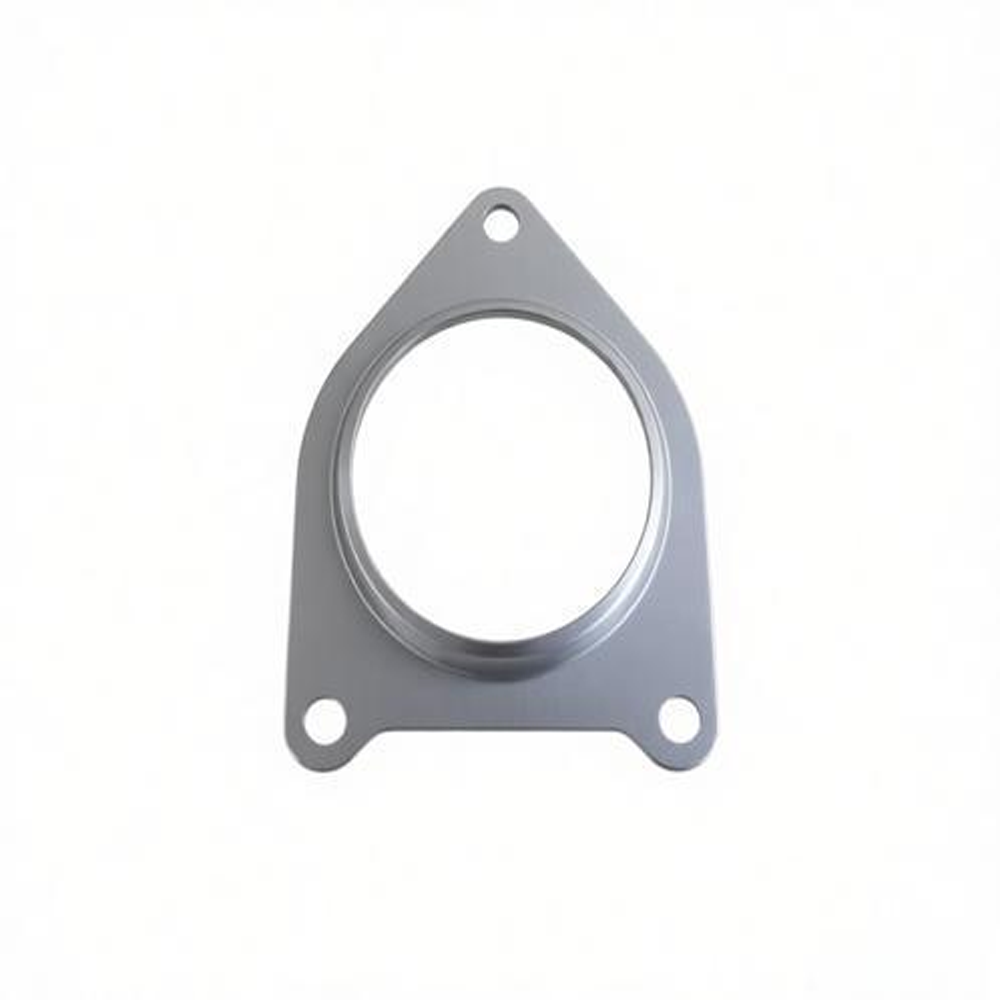
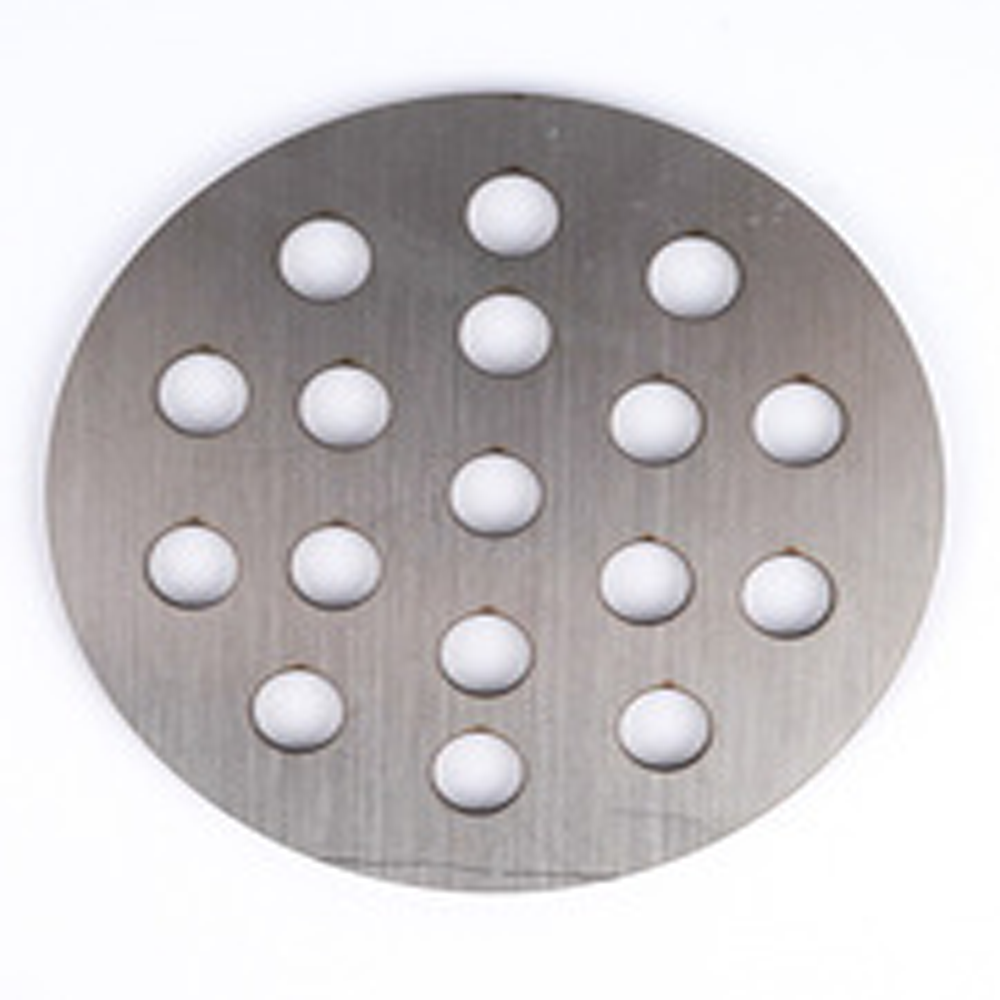
Cut edge quality significantly influences how laser cutting services parts perform in subsequent operations and final assemblies. Edge quality encompasses surface finish, perpendicularity, and the presence of defects like dross, burrs, and heat-affected zones. Different applications have different edge quality requirements, and specifying requirements accurately prevents over-processing that increases cost unnecessarily.
Edge quality factors to evaluate include:
Surface roughness measured in Ra micrometers or visual comparison to standard samples
Edge perpendicularity deviation from nominal 90-degree angle
Dross adherence and difficulty of removal on cut surfaces
Burr formation height and orientation on top and bottom edges
Heat-affected zone extent on sensitive materials
Dimensional Tolerance Capabilities
Laser cutting services achieve different tolerance levels depending on equipment, material, thickness, and part geometry. Positional tolerances, dimensional tolerances, and geometric tolerances each require specific measurement approaches and relate to different manufacturing concerns. Understanding achievable tolerance ranges helps buyers specify requirements appropriately without requesting precision that the process cannot deliver or accepting looseness that compromises assembly.
Typical tolerance ranges for laser cutting services include:
Positional tolerances of ±0.05mm to ±0.15mm depending on equipment
Dimensional tolerances of ±0.1mm to ±0.3mm for standard cutting
Geometric tolerances for flatness, squareness, and parallelism
Tolerance degradation in thicker materials and complex geometries
Effect of thermal distortion on close-tolerance features
Material Certification and Traceability
Professional laser cutting services suppliers maintain material traceability from incoming receipt through finished part shipment. Material certifications document alloy, temper, and conformance to specifications, providing buyers with verification that correct materials were used. This documentation becomes critical for applications where material properties affect structural integrity, corrosion resistance, or regulatory compliance.
Material management evaluation criteria should include:
Incoming material verification against purchase order requirements
Material certification availability and completeness
Lot traceability systems and documentation practices
Storage conditions that prevent contamination or degradation
Scrap identification and segregation to prevent mix-ups
Inspection and Verification Practices
Quality laser cutting services suppliers implement systematic inspection practices that verify conformance before parts ship. First article inspection validates that new parts meet requirements before production runs proceed. In-process monitoring identifies variation before大批量 defects occur. Final inspection confirms that shipped parts meet specifications and are free from damage.
Inspection practice evaluation should include:
First article inspection process for new parts and design changes
In-process monitoring frequency and parameter tracking
Final inspection completeness and sampling plans
Measurement equipment calibration and capability verification
Nonconformance detection, documentation, and customer notification
Process Capability and Consistency
Laser cutting services quality depends on consistent process conditions throughout production runs and across multiple batches. Process capability studies quantify how well suppliers control critical parameters within specification limits. Capable processes produce parts consistently with minimal variation, reducing inspection burden and enabling confidence in supplier delivery without extensive receiving inspection.
Process capability considerations for laser cutting services:
Equipment maintenance schedules and practices
Nozzle replacement frequency and monitoring
Focus and alignment verification procedures
Parameter control for assist gas pressure and purity
Thermal equilibrium considerations for extended runs
Part Programming and Nesting Quality
Even with excellent equipment, poor laser cutting services quality can result from inadequate part programming or nesting practices. Lead-in and lead-out strategies affect cut entry and exit quality. Nesting patterns influence heat input distribution and resulting distortion. Path optimization affects cycle time and cut quality, particularly on complex geometries with many direction changes.
Programming quality evaluation includes:
CAD to cutting path conversion verification practices
Nesting efficiency and material utilization optimization
Lead-in and lead-out parameter selection for specific applications
Path optimization for complex geometries and tight tolerances
Program verification and simulation before production
Secondary Operations and Finishing
Laser cutting services quality extends beyond the cutting operation itself to include secondary processing that completes parts for shipment. Deburring, edge finishing, and part separation all influence final part quality and usability. Suppliers who neglect secondary operations compromise quality that cutting achieved, while those who incorporate finishing into their process deliver complete parts ready for assembly.
Secondary operation evaluation should consider:
Deburring and edge finishing capabilities and quality
Part separation methods and resulting edge quality
Part cleaning and surface protection practices
Straightening for distortion correction when required
Packaging that prevents shipping damage
Documentation and Communication Standards
Clear documentation practices support laser cutting services quality by ensuring that requirements are understood and verified correctly. Inspection reports, certificates of conformance, and material certifications provide buyers with evidence of quality that supports their own compliance obligations. Communication protocols ensure that problems are identified early and resolved efficiently before they impact production.
Documentation evaluation criteria should include:
Inspection data reporting formats and content
Material and conformance certificate availability
Discrepancy notification practices and timing
Engineering change impact assessment and communication
Quality records retention practices
Frequently Asked Questions
What tolerance can laser cutting services achieve on steel parts?
Laser cutting services typically achieve dimensional tolerances of ±0.1mm to ±0.2mm on thin materials under 3mm thickness. Tolerances degrade to ±0.3mm or looser as material thickness increases above 6mm. Specific achievable tolerances depend on equipment capability, part geometry, and material properties.
How do I specify edge quality requirements for laser cutting?
Specify laser cutting services edge quality requirements using measurable criteria such as maximum surface roughness in Ra micrometers, acceptable dross levels, and burr height limits. Reference standard samples or photographs for visual criteria when numerical specifications are impractical. Separate requirements for functional edges versus non-functional edges.
What causes dross to stick to laser cut edges?
Dross adherence on laser cutting services output results from insufficient assist gas pressure, incorrect gas type for the material, worn or misaligned cutting nozzles, or cutting parameters unsuited to material thickness. Identifying the root cause enables corrective action that improves edge quality consistently.
Should I require material certifications from laser cutting suppliers?
Require material certifications from laser cutting services suppliers for applications where material properties affect structural integrity, regulatory compliance, or corrosion resistance. Material certifications document that correct alloys and tempers were used, providing traceability that becomes valuable if field issues occur.
How do laser cutting services handle heat distortion?
Laser cutting services manage heat distortion through nesting optimization that distributes heat input, appropriate fixturing that supports parts during cutting, and post-cut straightening when parts exceed flatness tolerances. Discuss distortion concerns with suppliers during quoting so appropriate mitigation strategies are applied.
Conclusion
Evaluating laser cutting services quality requires understanding the technical parameters that distinguish consistent professional cutting from variable commodity processing. Clear quality specifications, objective inspection practices, and systematic documentation enable procurement professionals to establish and maintain quality expectations that support reliable part acceptance. Focus on edge quality, dimensional capability, material traceability, and process consistency when assessing laser cutting service providers.
Building supplier relationships based on clear quality standards creates efficiency for both parties while reducing inspection burden and dispute frequency. Communicate specific requirements upfront, verify conformance objectively, and provide feedback that enables continuous improvement. Partner with qualified laser cutting service providers who demonstrate commitment to quality practices that protect your product integrity.
References
Steen, W. M., & Mazumder, J. (2010). Laser Material Processing (4th ed.). Springer.
ISO 9013:2017. Thermal Cutting — Classification of Thermal Cuts — Geometrical Product Specification and Quality Tolerances. International Organization for Standardization.
Powell, J. (2018). CO2 Laser Cutting (3rd ed.). Springer.
American Society for Quality. (2018). Quality Glossary. ASQ Quality Press.
O'Neill, W., & Steen, W. M. (2015). Principles and Applications of Laser Material Processing. Cambridge University Press.
