
Why Supplier Selection Matters for Sheet Metal Fabrication
The choice of sheet metal fabrication supplier directly impacts product quality, development speed, and total cost of ownership across a product lifecycle. A supplier selected primarily on unit price often incurs hidden costs through quality escapes, delivery delays, and reactive problem-solving that consume engineering resources. Conversely, strategic supplier partnerships deliver compounding benefits through continuous improvement, design optimization suggestions, and proactive risk management.
Procurement professionals responsible for sheet metal fabrication sourcing benefit from systematic evaluation frameworks that assess both immediate requirements and long-term partnership potential. Understanding what differentiates capable fabrication suppliers from limited commodity vendors helps buyers make informed decisions that support organizational objectives beyond simple cost reduction.
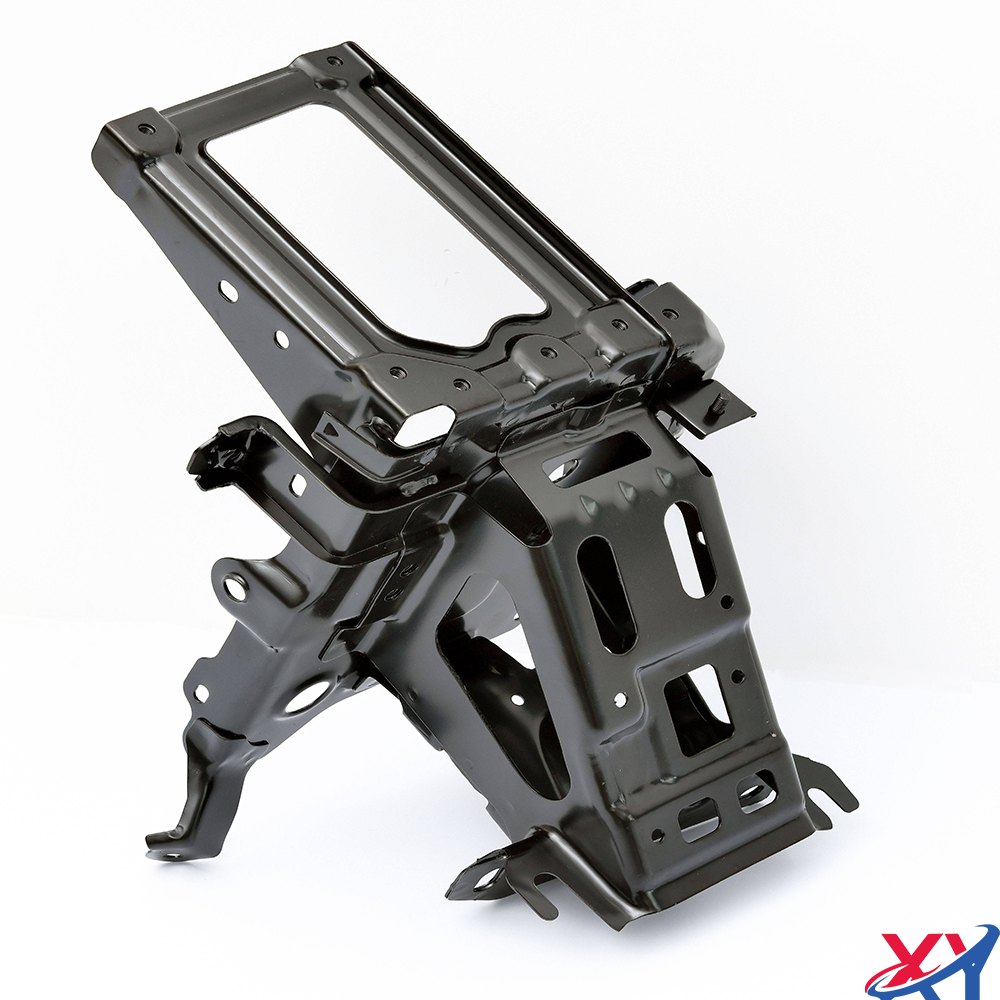
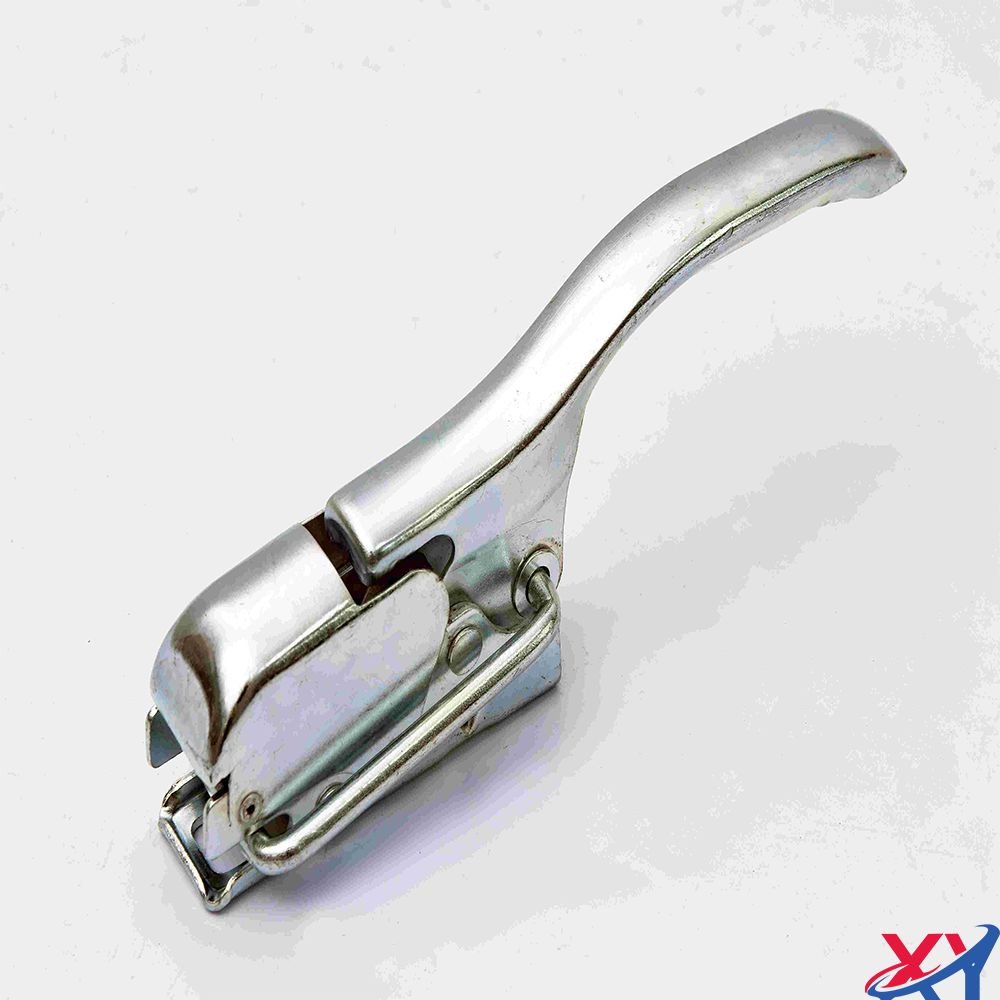
Core Capability Assessment
Evaluating sheet metal fabrication suppliers begins with understanding their manufacturing capabilities and equipment complement. A capable supplier maintains equipment appropriate for the parts being sourced, with sufficient capacity to handle both prototype quantities and production volumes without compromising quality or schedule. Equipment age, maintenance practices, and operator skill levels directly influence the consistency of output.
Key capability areas to assess include:
Maximum part size and thickness capacity relative to your requirements
Cutting technology available (laser, plasma, waterjet, shearing)
Bending capacity including tonnage and bed length
Welding and assembly capabilities for multi-piece components
Surface treatment and finishing options
Material Handling and Certification
Professional sheet metal fabrication suppliers maintain material traceability systems that document alloy, temper, and source for each production lot. Material certifications from mills provide verification that incoming sheet stock meets specified requirements. This traceability becomes essential for applications with regulatory requirements or where field failures create liability exposure.
Material evaluation criteria should include:
Incoming material verification procedures
Material certification availability and completeness
Traceability systems from receipt through shipment
Storage and handling practices preventing damage or contamination
Scrap management and recycling programs
Quality Management System Requirements
Sheet metal fabrication suppliers should maintain documented quality management systems appropriate for the applications being served. ISO 9001 certification demonstrates baseline commitment to quality processes, though this alone does not guarantee performance for demanding applications. Buyers sourcing for regulated industries must verify specific certifications relevant to their sectors.
Quality system evaluation should examine:
Document control and revision management practices
Incoming, in-process, and final inspection procedures
Nonconformance detection and corrective action processes
Measurement system capability and calibration practices
Statistical process control application to critical characteristics
Engineering Support and Design Collaboration
The most valuable sheet metal fabrication suppliers contribute engineering expertise that improves products beyond what designers initially specify. Design for Manufacturability reviews identify cost-reduction opportunities, quality improvements, and producibility enhancements that benefit both parties. Suppliers unwilling or unable to provide design feedback limit the value potential of the supplier relationship.
Engineering support evaluation includes:
Design for Manufacturability review availability
CAD file format support and programming capabilities
Prototype and sample production processes
Technical drawing interpretation and clarification practices
Continuous improvement initiative participation
Capacity and Scalability Assessment
Sheet metal fabrication suppliers must demonstrate adequate capacity for current requirements while maintaining flexibility to accommodate volume fluctuations. Capacity assessment goes beyond available machine hours to include workforce availability, scheduling practices, and demonstrated ability to respond to demand changes without compromising quality. Suppliers stretched to capacity limits create delivery risk that manifests at the worst possible times.
Capacity evaluation criteria should include:
Demonstrated ability to meet current volume requirements
Lead time management and on-time delivery track record
Flexibility to handle volume increases or decreases
Backup equipment and contingency planning for equipment failures
Subcontracting practices when internal capacity is constrained
Communication Practices and Responsiveness
Effective sheet metal fabrication supplier relationships depend on communication practices that keep stakeholders informed and enable rapid response to issues. Response time expectations should be established upfront, with clear escalation paths for quality concerns, delivery problems, or engineering questions. Suppliers who disappear when issues arise create operational chaos that procurement must constantly manage.
Communication evaluation should assess:
Primary contact accessibility and responsiveness
Escalation path clarity for urgent issues
Proactive notification practices for problems or delays
Documentation and reporting capabilities
Language and time zone compatibility for global operations
Pricing Structure Analysis
Sheet metal fabrication pricing varies significantly based on how suppliers structure quotes and invoices. Unit pricing alone obscures total cost impacts of engineering changes, expediting requests, and special handling requirements. Transparent suppliers provide detailed quotes that break out material, processing, and overhead components, enabling buyers to understand cost drivers and identify optimization opportunities.
pricing structure elements to evaluate:
Unit price versus total landed cost considerations
Tooling and setup charge amortization
Engineering change pricing practices
Expediting fee structures for accelerated delivery
Minimum order quantity and lot sizing policies
Financial Stability and Business Continuity
Sheet metal fabrication supplier selection should consider long-term viability factors that affect business continuity. Suppliers experiencing financial difficulty may cut corners on quality or maintenance to reduce costs, creating risks for buyers who depend on consistent supply. Understanding supplier financial health and succession planning provides confidence that selected partners will remain reliable over product lifecycles.
Business continuity considerations include:
Financial statement review or credit assessment
Customer concentration and revenue diversity
Equipment investment and maintenance spending
Key personnel retention and succession planning
Insurance coverage adequacy
Frequently Asked Questions
What certifications should sheet metal fabrication suppliers maintain?
Sheet metal fabrication suppliers should maintain ISO 9001 as a baseline quality management certification. Additional certifications depend on your industry requirements: IATF 16949 for automotive, AS9100 for aerospace, ISO 13485 for medical devices, and ISO 14001 for environmental management. Verify specific certifications match your application requirements.
How do I evaluate sheet metal fabrication supplier capacity?
Evaluate sheet metal fabrication capacity by reviewing current booking levels, lead time trends, and demonstrated ability to handle volume fluctuations. Request references from similar customers and discuss their experience with capacity constraints, expediting response, and delivery performance during peak periods.
Should I prioritize pricing or capabilities when selecting a supplier?
Balance pricing with capabilities when selecting sheet metal fabrication suppliers. The lowest-priced supplier lacking required capabilities creates downstream costs through quality escapes, delays, and engineering support gaps. Evaluate total cost of ownership including quality, delivery, and administrative costs rather than unit price alone.
What engineering support should I expect from fabrication suppliers?
Expect sheet metal fabrication suppliers to provide Design for Manufacturability feedback, CAD format support, prototype production capabilities, and technical clarification for drawings. The level of engineering engagement varies by supplier and may depend on volume commitments or partnership maturity.
How many suppliers should I qualify for sheet metal fabrication?
Qualify two to three sheet metal fabrication suppliers for each part family or capability set to ensure supply continuity while maintaining relationship depth. Too many suppliers dilutes volume and partnership benefits, while single-source creates unacceptable supply risk.
Conclusion
Selecting the right sheet metal fabrication supplier requires evaluating multiple factors that extend beyond simple unit pricing. Capability assessment, quality management practices, communication effectiveness, and financial stability combine to determine partnership viability. Procurement professionals who invest in systematic supplier evaluation build relationships that deliver value throughout product lifecycles rather than creating recurring operational challenges.
Strategic sheet metal fabrication supplier selection creates competitive advantage through consistent quality, responsive delivery, and collaborative engineering support. Establish clear evaluation criteria, conduct thorough assessments, and prioritize partnerships that demonstrate commitment to mutual success. Contact qualified sheet metal fabrication suppliers to discuss your specific requirements and evaluate their fit for your applications.
References
American Society for Quality. (2018). Quality Glossary. ASQ Quality Press.
ISO 9001:2015. Quality Management Systems — Requirements. International Organization for Standardization.
Kalpakjian, S., & Schmid, S. R. (2014). Manufacturing Engineering and Technology (7th ed.). Pearson.
ASM International. (2018). ASM Handbook, Volume 14B: Metalworking: Sheet Forming. ASM International.
Hosford, W. F., & Caddell, R. M. (2011). Metal Forming: Mechanics and Metallurgy (4th ed.). Cambridge University Press.
