
The Strategic Value of CNC Machining Services
Manufacturers across industrial sectors choose CNC machining services because these capabilities provide flexibility that mass production processes cannot match. While stamping, casting, and molding require expensive tooling that commits production to specific geometries, CNC machining handles diverse part configurations without tooling changes. This adaptability makes CNC machining services essential for product development, custom component production, and ongoing manufacturing support throughout product lifecycles.
Industrial buyers selecting CNC machining services partners gain access to manufacturing capabilities that adapt quickly to changing requirements. Whether producing prototype quantities for design validation or higher volumes for ongoing production, CNC machining services deliver consistent quality without the lead time and capital commitment that alternative processes demand.
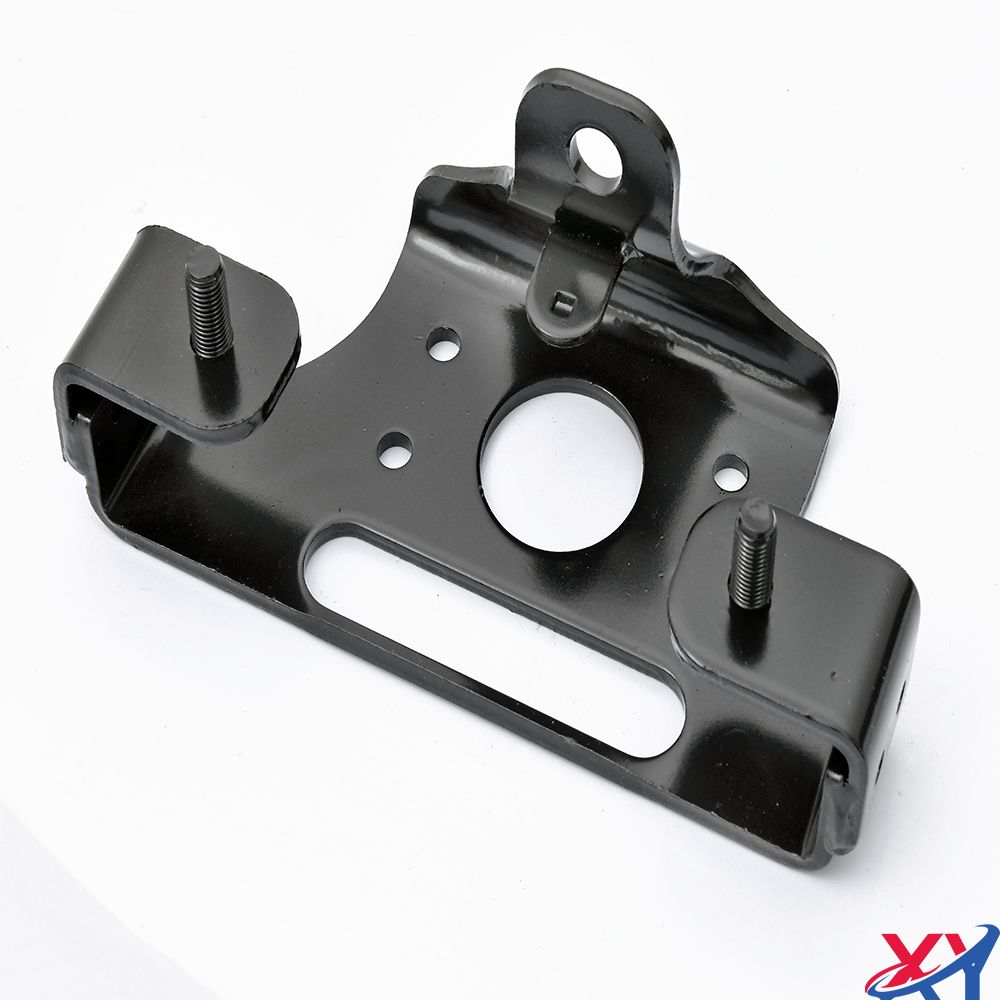
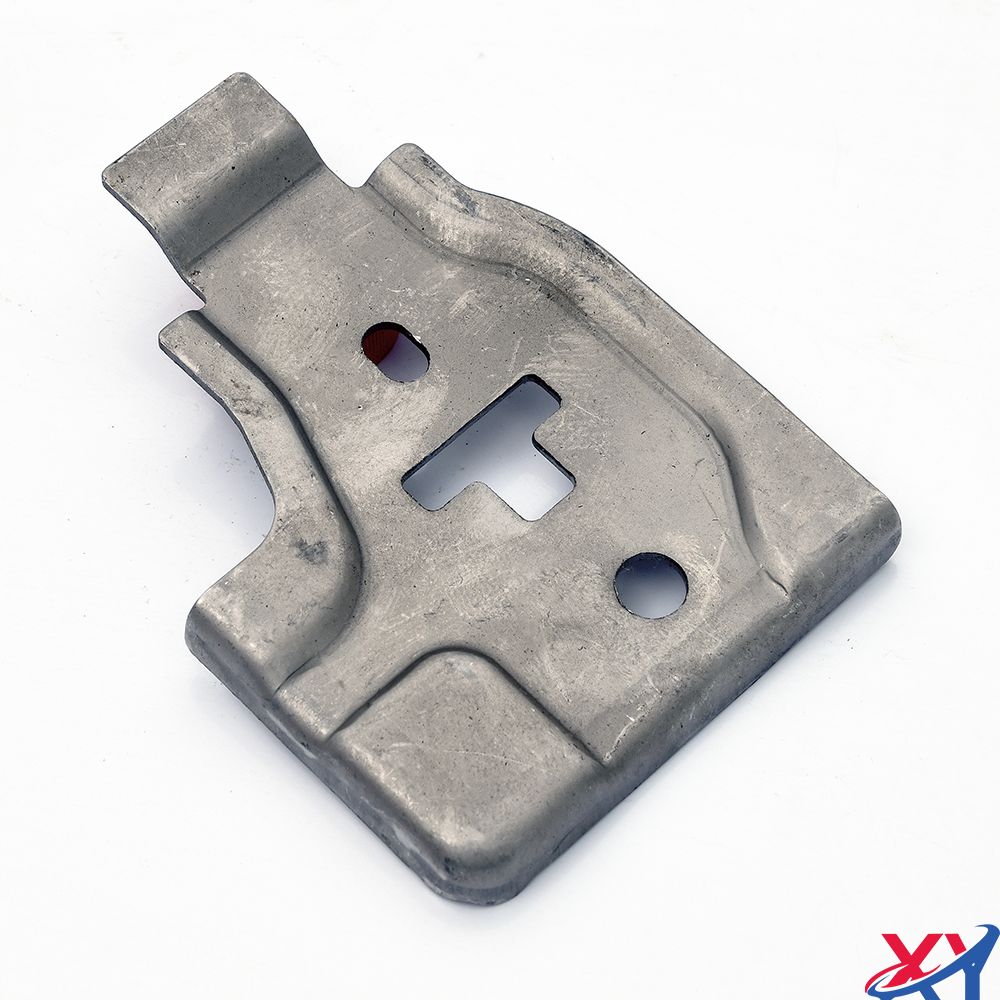
Precision and Accuracy Capabilities
CNC machining services produce components with tolerances far exceeding what most other manufacturing processes can achieve. Modern machining centers maintain positional accuracy within ±0.01mm, with precision equipment achieving ±0.005mm or better for demanding applications. This precision enables production of components that fit together with controlled clearances, ensuring proper function and assembly repeatability.
Precision capabilities from CNC machining services include:
Tolerances of ±0.01mm achievable on standard equipment
Ultra-precision machining reaches ±0.005mm or tighter
Consistent accuracy maintained throughout production runs
Geometric tolerances control form, position, and orientation
Design Flexibility Without Tooling Constraints
Traditional manufacturing processes constrain design freedom through tooling limitations that dictate part geometry. CNC machining services remove these constraints, enabling any geometry that CNC programming can define. Complex contours, internal cavities, undercuts, and intricate features present no inherent machining challenges. This design freedom lets engineers optimize components for function rather than manufacturing convenience.
Flexibility advantages of CNC machining services:
No tooling constraints limit design geometry
Design modifications implement without tooling changes
Complex features machine directly without multiple operations
Internal passages and cavities accessible through machining
Material Versatility and Capability
CNC machining services process virtually any machinable material, from common aluminum and steel to exotic alloys designed for extreme environments. Material selection responds to functional requirements rather than manufacturing constraints. An experienced CNC machining services provider can advise on material alternatives that optimize performance while remaining practical to machine.
Materials available through CNC machining services:
Aluminum alloys for lightweight applications
Carbon and alloy steels for structural strength
Stainless steels for corrosion resistance
Titanium and Inconel for demanding environments
Volume Flexibility from Prototype to Production
One of the most compelling reasons manufacturers choose CNC machining services is the ability to produce any quantity economically. Prototype quantities of one to several pieces validate designs without committing to production tooling. Small production batches of dozens to hundreds fill ongoing requirements without inventory burden. Higher volumes benefit from efficient batch processing that maintains per-part economy.
Volume flexibility from CNC machining services:
Single-piece prototypes for rapid design validation
Low quantities without tooling investment
Medium volumes with efficient batch processing
Scalable production responding to demand changes
Lead Time Advantages
CNC machining services eliminate the long lead times that tooling-dependent processes require. While casting patterns or stamping dies may take months to produce, CNC machining services can begin production within days of receiving specifications. This responsiveness proves invaluable for urgent requirements, new product introductions, and situations where market timing matters.
Lead time benefits of CNC machining services:
Production can start within days of specifications
No tooling lead time delays initial production
Design changes implement quickly without tooling replacement
Expedited service available for urgent requirements
Quality Systems and Documentation
Professional CNC machining services providers maintain documented quality systems that ensure consistent conformance. ISO 9001 certification establishes baseline quality management requirements. Industry-specific certifications address particular application needs in aerospace, medical, and automotive sectors. First article inspection reports, material certifications, and dimensional data provide documentation that satisfies customer and regulatory requirements.
Quality documentation from CNC machining services:
Material certifications verifying alloy and property conformance
First article inspection reports for new parts
Full dimensional data for critical characteristics
Certificate of conformance with each shipment
Surface Finish and Secondary Processing
CNC machining services produce components with excellent surface finishes directly from the machine. Standard as-machined surfaces achieve Ra values of 1.6 to 3.2 micrometers suitable for many applications. Additional finishing operations including polishing, plating, anodizing, and heat treatment provide specialized surface properties when application requirements demand them.
Finishing options available through CNC machining services:
As-machined surfaces for general applications
Bead blasting and polishing for appearance
Anodizing and plating for corrosion protection
Heat treatment for hardness modification
Supply Chain Simplification
Consolidating machining requirements with capable CNC machining services partners simplifies supply chain management. Rather than coordinating multiple vendors for different components, manufacturers work with single suppliers who understand their requirements and can produce diverse part types consistently. This consolidation reduces administrative burden while improving quality visibility and delivery reliability.
Supply chain benefits of CNC machining services partnerships:
Single source for diverse machining requirements
Reduced vendor management complexity
Consistent quality standards across part types
Streamlined communication and issue resolution
Frequently Asked Questions
What tolerances can CNC machining services achieve?
CNC machining services achieve tolerances of ±0.05mm for standard work, ±0.01mm for precision applications, and ±0.005mm or better for ultra-precision requirements. Actual capability depends on equipment, material, and geometry.
How do CNC machining services handle complex geometries?
Five-axis CNC machining services produce complex contoured surfaces without multiple setups. Multi-axis capability positions cutting tools in orientations that machine features inaccessible to three-axis equipment, eliminating accumulated setup errors.
What file formats do CNC machining services require?
CNC machining services typically accept STEP, IGES, or native CAD formats for 3D models. 2D drawings in PDF specify dimensions and tolerances. Many providers offer design review and programming services if customers provide sketches or verbal descriptions.
Can CNC machining services produce custom one-off parts?
Yes, CNC machining services excel at custom one-off components without tooling requirements. This flexibility makes them ideal for prototypes, custom replacements, specialized machinery components, and unique application requirements.
What materials do CNC machining services process?
CNC machining services process virtually all machinable materials including aluminum, steel, stainless steel, titanium, brass, copper, and engineering plastics. Exotic alloys for demanding environments present no inherent machining limitations.
Conclusion
Manufacturers choose CNC machining services for the unique combination of precision, flexibility, and responsiveness these capabilities provide. The ability to produce custom components without tooling investment, achieve tight tolerances, and adapt quickly to changing requirements makes CNC machining services indispensable for product development and ongoing manufacturing support. Building partnerships with capable CNC machining services suppliers strengthens supply chains while providing access to manufacturing expertise that benefits throughout product lifecycles.
As product development cycles accelerate and customization demands increase, CNC machining services become even more valuable for manufacturers competing in dynamic markets. Partners who understand your requirements and deliver consistent quality provide competitive advantages that generic suppliers cannot match.
References
Boothroyd, G., & Knight, W. A. (2016). Fundamentals of Machining and Machine Tools (3rd ed.). CRC Press.
Groover, M. P. (2016). Automation, Production Systems, and Computer-Integrated Manufacturing (4th ed.). Pearson.
Black, J. T., & Kohser, R. A. (2012). DeGarmo's Materials and Processes in Manufacturing (11th ed.). Wiley.
Childs, T. H. C., et al. (2016). Metal Machining: Theory and Applications. CRC Press.
Krar, S. F., & Check, A. F. (2014). Technology of Machine Tools (8th ed.). McGraw-Hill.
