
The Role of Sheet Metal Fabrication in OEM Supply Chains
Sheet metal fabrication provides essential manufacturing capabilities that OEM producers depend upon for components ranging from simple brackets to complex assemblies. Every industry relies on fabricated sheet metal parts in some form, whether visible in finished products or hidden within internal structures. An experienced sheet metal fabrication supplier becomes a strategic partner supporting product development from initial concept through volume production and ongoing product support.
OEM manufacturers face constant pressure to reduce costs, improve quality, and accelerate time-to-market. Sheet metal fabrication suppliers who understand these pressures provide value beyond simple part production, contributing design expertise, process optimization, and supply chain flexibility that strengthens OEM competitive positions. Building these supplier relationships early in product development yields dividends throughout the product lifecycle.
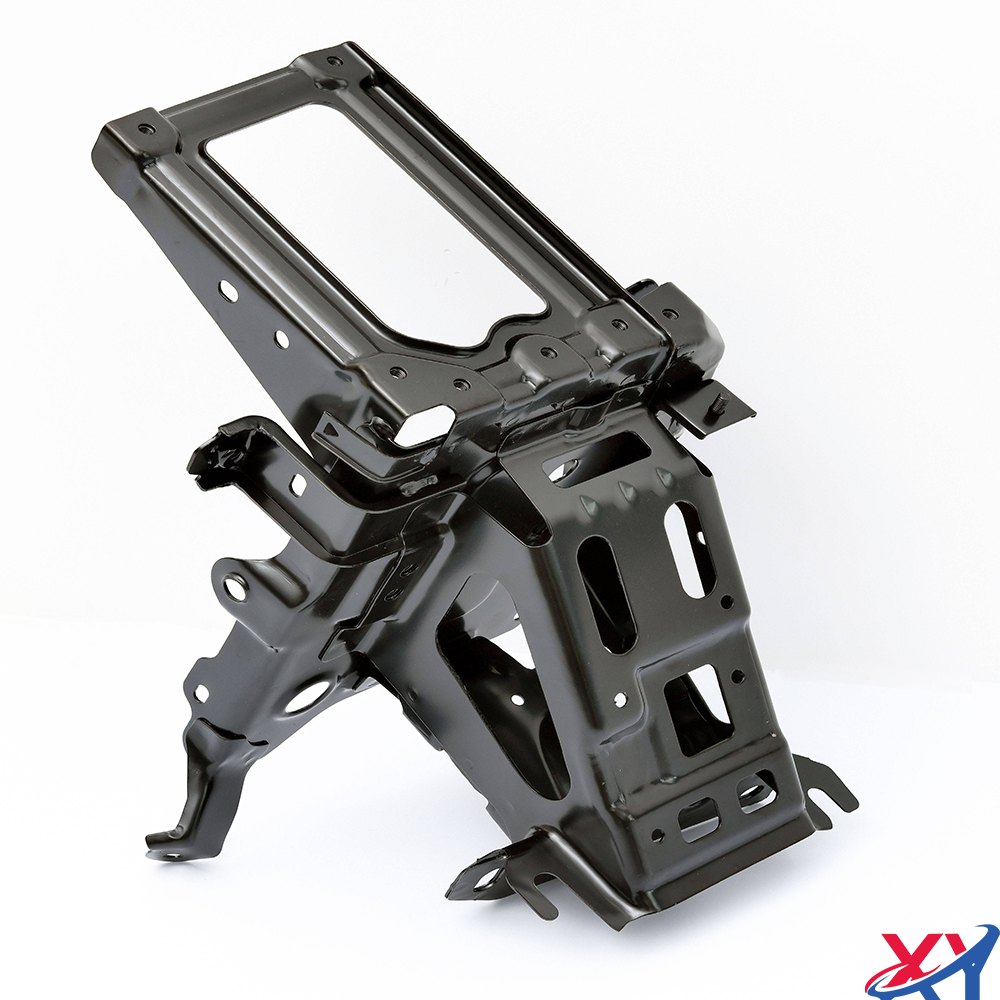
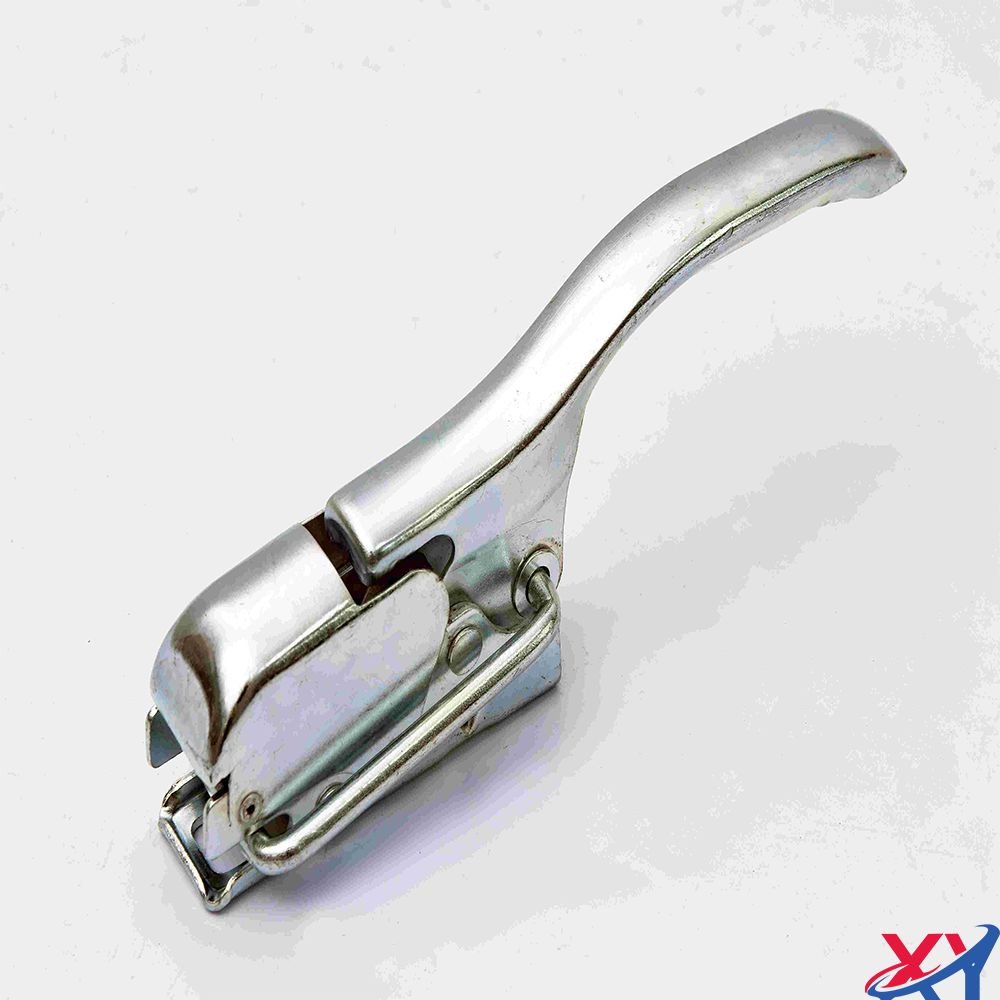
Design Collaboration and Engineering Support
The most valuable sheet metal fabrication suppliers engage actively during product development, offering design for manufacturability guidance that prevents production problems later. Experienced fabricators recognize common design pitfalls that cause quality issues, increase costs, or extend lead times. Early collaboration catches these issues while design changes remain inexpensive rather than after tooling commitments lock in problematic features.
Design support from sheet metal fabrication partners includes:
Material selection guidance based on application requirements
Tolerance recommendations that balance function with cost
Bend radius and feature spacing optimization
Design modifications that reduce manufacturing complexity
Prototyping and Development Support
Product development requires rapid validation of concepts before committing to production tooling or high-volume processes. Sheet metal fabrication shops equipped for prototype work produce sample parts within days of receiving drawings, enabling iterative testing and refinement. This rapid feedback loop accelerates development while identifying issues before they become expensive to resolve.
Prototype capabilities from sheet metal fabrication suppliers:
Quick-turn samples for design validation
Multiple material options for performance comparison
Fit and function testing before production commitments
Design iteration support throughout development phases
Process Capabilities and Equipment
Comprehensive sheet metal fabrication requires diverse capabilities spanning cutting, forming, joining, and finishing operations. A capable supplier maintains equipment covering the full range of processes needed for complete part production. This vertical integration reduces coordination complexity, improves quality consistency, and often reduces total cost compared to fragmented supply chains requiring multiple vendors.
Essential sheet metal fabrication capabilities include:
Laser cutting for precision profiles and complex shapes
CNC bending for consistent flanges and forms
Welding and assembly for multi-piece components
Surface treatment for appearance and corrosion protection
Cutting Technology Advances
Modern sheet metal fabrication leverages laser cutting technology that delivers precision unattainable with conventional methods. Fiber laser systems achieve tolerances of ±0.05mm while maintaining edge quality that minimizes secondary finishing. CNC-controlled cutting heads follow complex paths precisely, producing intricate profiles that would be impossible with manual methods.
Forming and Bending Operations
CNC press brakes controlled by sophisticated software execute complex bend sequences with minimal setup time. Sheet metal fabrication shops with multi-axis back gauges produce complex geometries consistently across production runs. This capability enables parts with multiple bends, varying angles, and compound forms that manual bending cannot achieve reliably.
Material Options and Selection
Sheet metal fabrication processes diverse materials from commodity carbon steel to specialized alloys. Material selection involves balancing strength, weight, corrosion resistance, cost, and manufacturing characteristics. An experienced supplier helps OEM engineers navigate these trade-offs, recommending materials that optimize performance while remaining economical to fabricate.
Common sheet metal fabrication materials include:
Carbon steel for general purpose structural applications
Stainless steel for corrosion resistance and hygiene
Aluminum for weight-critical applications
Galvanized steel for outdoor and exposed applications
Quality Systems and Certification
OEM manufacturers require quality systems that ensure consistent part conformance throughout production runs. Sheet metal fabrication suppliers with documented quality management systems provide assurance that parts meet specifications lot after lot. ISO 9001 certification represents baseline quality system requirements, while industry-specific certifications address particular application needs.
Quality documentation from sheet metal fabrication suppliers:
First article inspection reports for new programs
Material certifications verifying alloy conformance
Dimension reports for critical characteristics
Certificate of conformance with each shipment
Production Scalability and Flexibility
OEM product lifecycles require manufacturing partners who can scale production volumes from prototype quantities through high-volume delivery. Sheet metal fabrication suppliers with flexible capacity adjust quickly to demand fluctuations, avoiding inventory imbalances that tie up working capital. This scalability supports market introduction, growth phases, and eventual transition to end-of-life production winding down.
Flexibility benefits from capable sheet metal fabrication partners:
Quick response to volume increases without lengthy qualification
Capacity to absorb demand fluctuations without premium pricing
Rapid transition from prototype to production volumes
Managed decline as products approach end of life
Supply Chain Integration and Logistics
Effective sheet metal fabrication suppliers integrate with OEM procurement systems, reducing administrative burden while improving responsiveness. Vendor-managed inventory programs ensure availability without excessive safety stock. Electronic data interchange streamlines ordering and invoicing. These integrations strengthen supply chain reliability while reducing total acquisition costs.
Integration capabilities from sheet metal fabrication partners:
EDI connectivity for automated order processing
Vendor-managed inventory programs
Kanban and pull-system replenishment
Consignment and floor-stock arrangements
Frequently Asked Questions
What minimum order quantities apply to sheet metal fabrication?
Minimum order quantities for sheet metal fabrication vary by supplier and part complexity. Prototype and sample quantities as low as single pieces are often available. Production volumes typically benefit from standard lot sizing that balances setup costs against inventory carrying costs.
How do sheet metal fabrication suppliers handle design changes?
Experienced sheet metal fabrication suppliers adapt to design modifications throughout product lifecycles. Simple drawing revisions update CNC programs quickly. Major geometry changes may require tooling modifications with associated lead times and costs. Early supplier engagement identifies change impacts before they surprise production schedules.
What quality certifications should sheet metal fabrication suppliers maintain?
ISO 9001 represents baseline quality system requirements for sheet metal fabrication suppliers. Automotive applications may require IATF 16949 certification. Medical device manufacturing demands ISO 13485 compliance. Aerospace applications require AS9100 certification.
Can sheet metal fabrication suppliers handle assembly operations?
Many sheet metal fabrication suppliers provide welding, mechanical assembly, and finishing services. Full assembly capabilities turn fabricated parts into finished subassemblies ready for OEM integration, reducing supply chain complexity and improving quality consistency.
What surface finish options are available?
Sheet metal fabrication suppliers offer various surface treatment options including powder coating, wet painting, anodizing, electroplating, and passivation. Finish selection depends on appearance requirements, corrosion protection needs, and environmental exposure conditions.
Conclusion
Sheet metal fabrication serves as essential manufacturing infrastructure for OEM producers across industrial sectors. The right fabrication partner provides design expertise, prototyping capabilities, scalable production, and quality systems that support product development from initial concept through volume production. Building strategic supplier relationships yields ongoing benefits including improved quality, reduced costs, and faster response to market demands.
OEM manufacturers who invest in sheet metal fabrication supplier relationships gain competitive advantages through superior supply chain reliability and collaborative product development. These partnerships strengthen over time as suppliers accumulate application knowledge that benefits ongoing product support and continuous improvement initiatives.
References
Kalpakjian, S., & Schmid, S. R. (2014). Manufacturing Engineering and Technology (7th ed.). Pearson.
Groover, M. P. (2016). Fundamentals of Modern Manufacturing (6th ed.). Wiley.
ASM International. (2018). ASM Handbook, Volume 14B: Metalworking: Sheet Forming.
Hosford, W. F., & Caddell, R. M. (2011). Metal Forming: Mechanics and Metallurgy (4th ed.). Cambridge University Press.
Davim, J. P. (2015). Modern Mechanical Engineering: Research, Development and Education. Springer.
