
Why Industrial Manufacturers Adopt Hot Pressing
Hot pressing has emerged as a transformative manufacturing process for industrial producers facing demands for lighter, stronger components. The technique applies heat and pressure simultaneously to shape metal parts with properties unachievable through conventional cold forming. As automotive manufacturers strive to reduce vehicle weight while improving crash safety, hot pressing has become essential for producing structural members that protect occupants while enabling fuel efficiency improvements.
Industrial suppliers implementing hot pressing capabilities gain competitive advantages in markets requiring high-strength components with complex geometries. The process accommodates materials that resist cold forming, enabling production of parts that would otherwise require expensive fabrication or multiple manufacturing steps. Understanding the specific benefits helps procurement professionals evaluate whether hot pressing suits their application requirements.
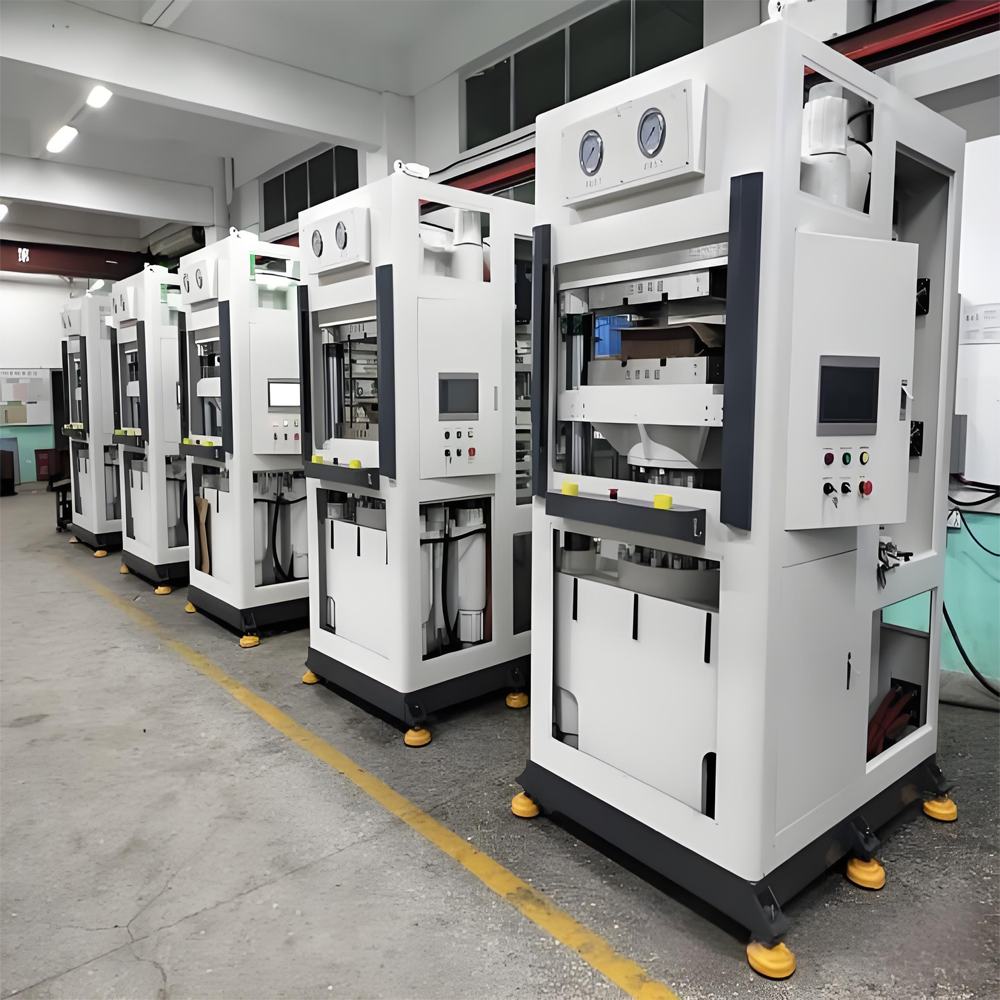
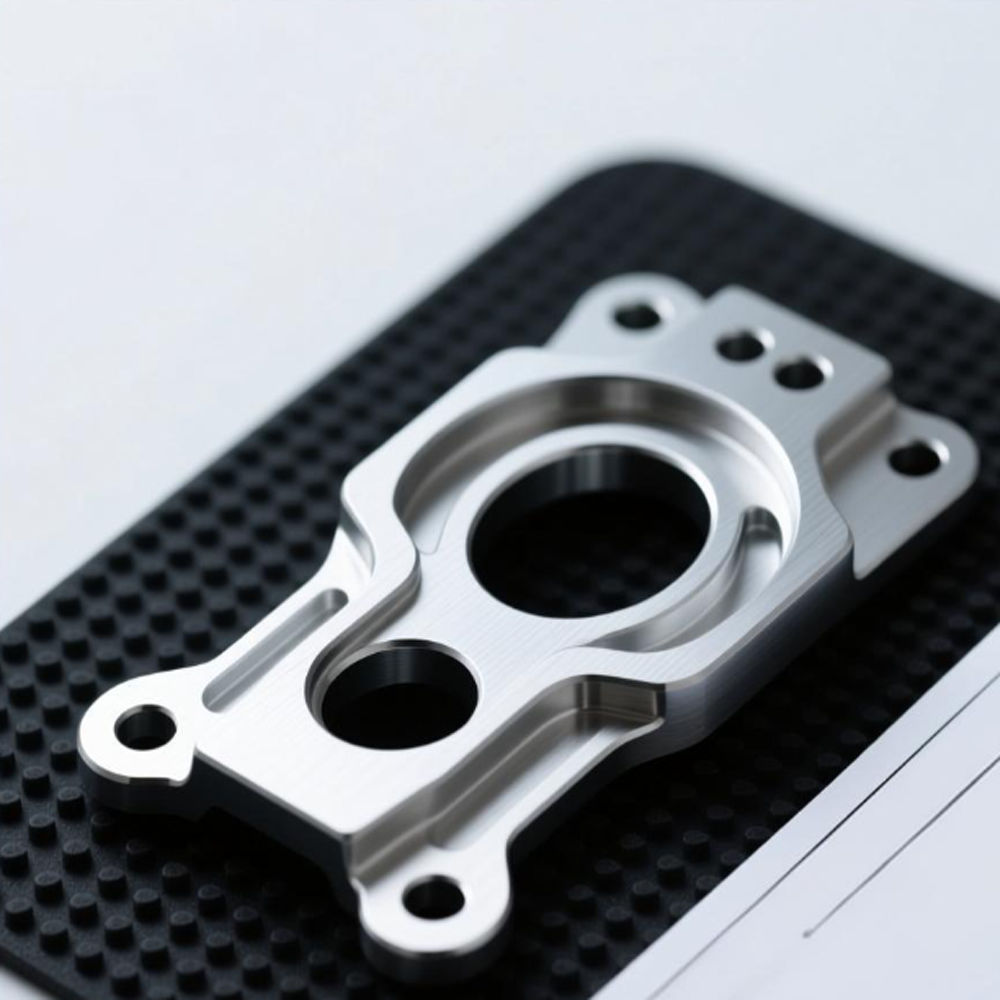
Superior Material Formability
Elevated temperatures transform metal behavior, reducing yield strength and increasing ductility dramatically. At hot pressing temperatures typically ranging from 900 to 1200 degrees Celsius for steel alloys, materials that would crack or spring back excessively during cold forming deform readily into complex shapes. This improved formability enables geometries impossible to achieve through conventional stamping.
Formability improvements from hot pressing include:
Reduced forming forces enable smaller press equipment
Complex contours achievable without intermediate operations
Sharp radii possible without material fracture
Deeper draws and more aggressive geometries than cold methods
Exceptional Strength Achievement
Hot pressing combined with rapid quenching achieves tensile strengths unattainable through conventional manufacturing. Press hardening of boron-alloyed steels creates martensitic microstructures with strength exceeding 1500 MPa, approximately three times stronger than conventional stamped steel. This strength enables thinner material sections that reduce weight while maintaining structural performance.
The automotive industry has embraced hot pressing for safety applications:
A-pillar and door intrusion beams protect occupants during rollovers
Bumper systems absorb impact energy during frontal collisions
Floor pan reinforcements maintain passenger compartment integrity
Weight reduction from thinner sections improves vehicle efficiency
Geometric Complexity Without Compromise
Cold forming limitations constrain the complexity of achievable geometries, particularly for high-strength materials. Hot pressing removes these constraints, enabling parts with compound curves, deep draws, and aggressive flanges that cold methods cannot produce reliably. This geometric freedom allows designers to consolidate multiple components into single hot pressed assemblies.
Design integration benefits from hot pressing:
Multiple stampings combine into single formed parts
Assembly operations reduce or eliminate entirely
Joint integrity issues disappear without welded connections
Complex features integrate without fabrication trade-offs
Minimized Springback and Dimensional Control
Elastic recovery after forming, known as springback, creates dimensional variability that cold stamping must anticipate and compensate for in die design. Hot pressing significantly reduces springback, enabling tighter dimensional control and reduced variation between parts. This consistency improves assembly fit and reduces the need for corrective operations.
Dimensional advantages from hot pressing:
Tighter tolerances achievable without extensive debugging
Consistent part-to-part dimensions throughout production
Reduced scrap from dimensional non-conformance
Improved assembly predictability and quality
Process Integration and Efficiency Gains
Traditional component production requires separate forming and heat treatment operations with handling between steps. Hot pressing integrates these processes, accomplishing forming and hardening in a single operation. This integration reduces floor space requirements, minimizes handling damage risk, and shortens total processing time. Manufacturing cells designed for hot pressing achieve high throughput with compact footprints.
Operational efficiencies from hot pressing:
Combined forming and heat treatment eliminates process steps
Reduced work-in-progress inventory and floor space
Shorter total production cycle times
Simplified scheduling and production planning
Material Versatility and Application Range
While boron steels dominate hot pressing applications, the process accommodates various materials including titanium alloys, aluminum alloys, and stainless steels. Each material brings specific advantages that hot pressing can leverage. Aerospace manufacturers use hot pressing for titanium structural components requiring complex geometries and high strength-to-weight ratios.
Material options for hot pressing include:
Boron-alloyed advanced high-strength steel for automotive safety
Titanium alloys for aerospace and medical applications
Aluminum alloys for lightweight structural components
Stainless steels for corrosion-resistant requirements
Tooling Investment and Economic Considerations
Hot pressing requires specialized equipment including heated dies, high-capacity presses, and material handling systems. While initial investment exceeds conventional stamping equipment, the economics improve at volume where throughput advantages and material savings offset capital costs. Tooling for hot pressing must withstand elevated temperatures and thermal cycling, adding to die costs compared to cold stamping.
Economic factors for hot pressing implementation:
Volume thresholds typically exceed 10,000 to 50,000 parts annually
Tooling investment higher than cold stamping dies
Operating costs offset by material efficiency and throughput
Total cost analysis should consider lifecycle benefits
Quality Consistency and Process Control
Modern hot pressing systems incorporate extensive monitoring and control capabilities that ensure consistent quality. Temperature measurement, pressure monitoring, and cycle time control maintain parameters within specified limits. Automated material handling prevents contamination and ensures repeatability. Statistical process control tracks key characteristics to detect variation before quality problems occur.
Quality assurance for hot pressing includes:
Real-time temperature monitoring of blanks and dies
Pressure and position monitoring during forming
Quench rate verification for hardening consistency
Statistical process control for critical characteristics
Frequently Asked Questions
What strength levels does hot pressing achieve?
Hot pressing of boron-alloyed steels achieves tensile strengths of 1500 to 2000 MPa after press hardening. This represents approximately three times the strength of conventional stamped steel, enabling significant weight reduction in structural applications.
Which materials work best for hot pressing?
Boron-alloyed steels dominate hot pressing applications for automotive structural components. Titanium and aluminum alloys also respond well to hot pressing, with aerospace manufacturers utilizing these materials for applications requiring specific property combinations.
What volumes justify hot pressing investment?
Hot pressing typically becomes economical at annual volumes exceeding 10,000 to 50,000 parts depending on part size, complexity, and equipment utilization. The exact break-even point requires detailed analysis of application-specific factors.
How does hot pressing reduce part weight?
Hot pressing achieves equivalent strength using thinner material sections compared to cold-formed parts. The ultra-high-strength properties enable gauge reduction while maintaining crash performance, directly reducing component weight.
Does hot pressing require post-processing?
Hot pressing integrates forming and heat treatment in one operation, eliminating separate hardening steps. Minor trimming and finishing may be required depending on part design, but the process substantially reduces secondary operations compared to conventional methods.
Conclusion
Hot pressing delivers compelling advantages for industrial manufacturers producing high-strength components with complex geometries. The combination of superior formability, exceptional strength achievement, and process integration makes hot pressing increasingly essential for automotive safety applications and expanding into aerospace and industrial equipment markets. Understanding these benefits helps procurement professionals evaluate whether hot pressing suits their application requirements.
Working with experienced hot pressing suppliers provides access to technical expertise that optimizes part design and production processes. As demand for lighter, stronger components continues growing, hot pressing capabilities become increasingly valuable for manufacturers serving markets requiring superior performance.
References
Karbasian, H., & Tekkaya, A. E. (2010). A Review on Hot Stamping. Journal of Materials Processing Technology, 210(15), 2103-2118.
Mori, K., et al. (2017). Hot Stamping of Ultra-High Strength Steel Parts. CIRP Annals, 66(2), 755-777.
Hosford, W. F., & Caddell, R. M. (2011). Metal Forming: Mechanics and Metallurgy (4th ed.). Cambridge University Press.
Altan, T., & Tekkaya, A. E. (2012). Sheet Metal Forming: Fundamentals. ASM International.
Billur, E. (2015). Hot Stamping of High Strength Steel. Elsevier.
