
Why Custom CNC Machining Services Matter
Every manufacturing supply chain includes components that cannot be standardized, requiring custom machining to meet unique application requirements. CNC machining services provide the flexibility to produce one-of-a-kind parts, small batches, and complex geometries that stamping, casting, or other mass production methods cannot efficiently deliver. A reliable custom machining supplier becomes a strategic partner for engineering teams facing challenging design requirements.
Working with an established CNC machining services provider gives product developers access to decades of manufacturing expertise. These suppliers understand how to translate engineering drawings into physical parts while optimizing for machinability, cost, and quality. For procurement professionals, custom machining suppliers fill critical gaps in supply chains where standard catalog items do not exist.
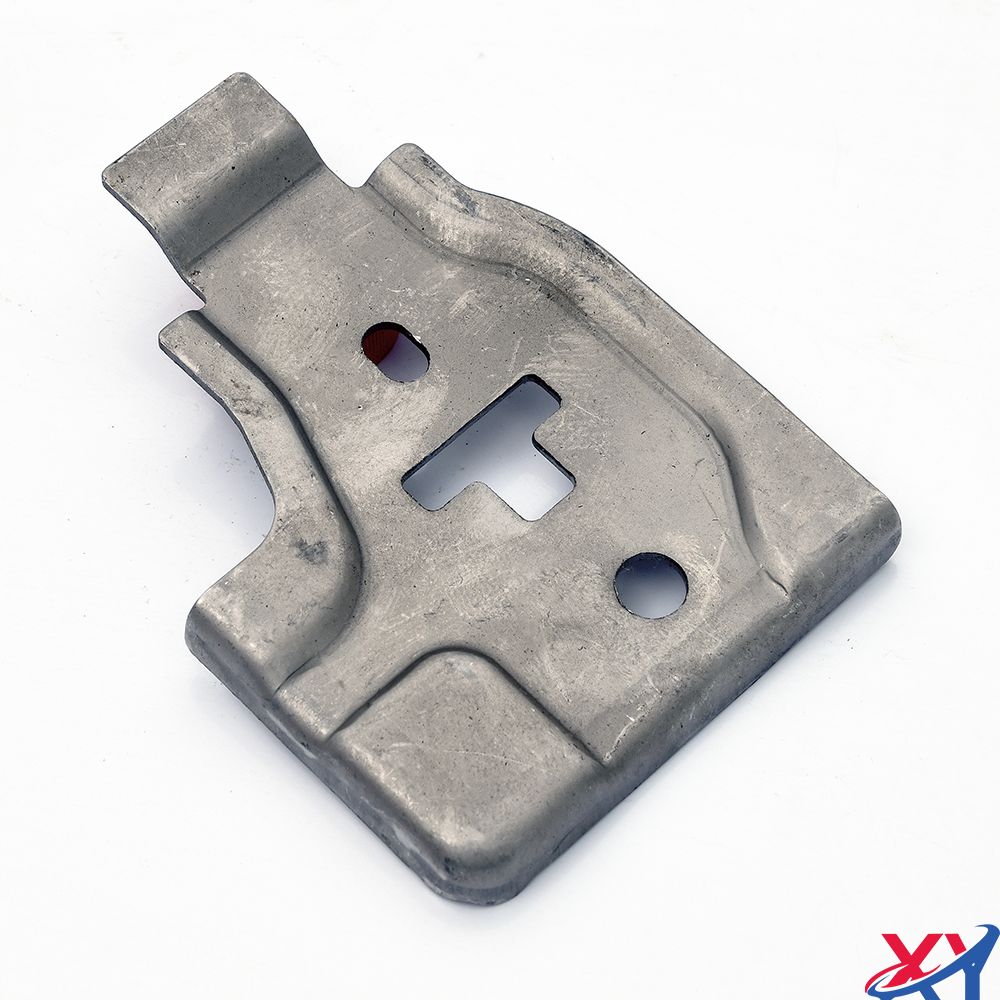
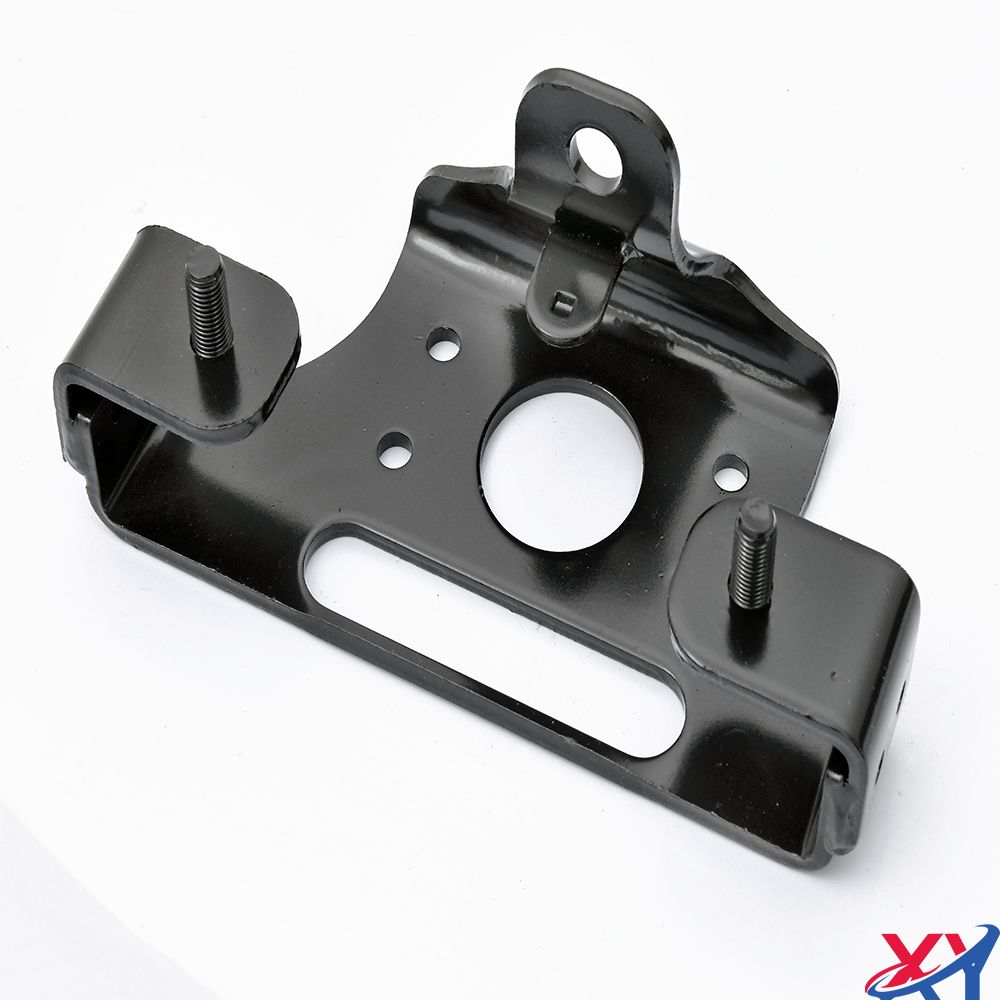
Capabilities and Equipment Overview
Modern CNC machining services encompass diverse equipment ranging from compact three-axis mills to complex five-axis machining centers. A capable custom machining supplier maintains equipment suitable for various part sizes and complexity levels. Understanding what equipment potential suppliers operate helps buyers match their requirements to available capability.
Key equipment categories in CNC machining services:
Three-axis mills for prismatic parts with holes, pockets, and flat surfaces
Four-axis machines adding rotational capability for interpolated operations
Five-axis centers enabling complex contoured surfaces without multiple setups
CNC lathes for cylindrical features including threads, tapers, and profiles
Multi-spindle machines for high-volume precision component production
Materials Available for Custom Machining
CNC machining services can work with virtually any machinable material, from common aluminum alloys to exotic high-temperature superalloys. Material selection significantly impacts finished part performance, corrosion resistance, and manufacturing cost. An experienced custom machining supplier advises on material alternatives that balance functional requirements with manufacturing practicality.
Common materials processed by CNC machining services:
Aluminum alloys offer light weight and excellent machinability at moderate cost
Carbon steels provide strength and toughness for structural applications
Stainless steels resist corrosion for demanding environments
Brass and copper deliver electrical conductivity and aesthetic appeal
Exotic alloys including titanium and Inconel serve specialized applications
From Prototype to Production Quantities
CNC machining services uniquely bridge the gap between prototype development and production volumes. Prototype quantities of one to several pieces validate designs before committing to expensive tooling. Small production batches of dozens to hundreds fill ongoing requirements without the lead time and investment that permanent tooling demands.
This flexibility benefits product development:
Single-piece prototypes enable rapid design iteration without tooling delays
Low-volume production serves specialized applications or market niches
Bridge production fills demand while permanent tooling is developed
Custom machining adapts quickly to design changes during development phases
Quality Systems and Certification Requirements
Industrial applications often require documented quality systems and certifications that CNC machining services suppliers must demonstrate. ISO 9001 certification provides baseline quality management assurance. Aerospace applications demand AS9100 compliance. Medical device manufacturing requires ISO 13485 certification. Buyers must clearly communicate certification requirements during supplier qualification.
Quality documentation from CNC machining services providers:
Material certifications verifying alloy and property conformance
First article inspection reports documenting dimensional verification
Certificate of conformance for each shipment
Full inspection data available for critical characteristics
Design for Machinability Optimization
Working with CNC machining services early in product development yields significant benefits. Suppliers who understand manufacturing constraints provide valuable design feedback before drawings become finalized. This collaboration often reveals opportunities to reduce cost, improve quality, or simplify assembly through design modifications that machining can accommodate.
Design optimization opportunities through supplier collaboration:
Fillets and chamfers that reduce stress concentrations while remaining machinable
Standard tool sizes that eliminate special tooling requirements
Tolerances appropriate to actual functional requirements rather than default precision
Surface finish specifications matched to application needs
Lead Time and Production Scheduling
Custom machining lead times depend on part complexity, material availability, and current shop loading. Standard quotes typically range from days for simple parts to several weeks for complex components requiring multiple operations. CNC machining services suppliers with flexible capacity respond more quickly to urgent requirements without excessive premium charges.
Planning for CNC machining services procurement:
Complex parts with multiple operations require longer scheduling
Exotic materials may require special procurement and handling
Heat treatment adds processing time for hardened or stress-relieved parts
Surface finishing operations extend total production timeline
Cost Factors in Custom Machining
CNC machining services pricing reflects setup time, runtime, material cost, and secondary operations. Complex parts with many features accumulate machining time as each operation adds cost. Simple geometries machine quickly but still require setup time that spreads across production quantity. Understanding these cost drivers helps procurement professionals evaluate quotes intelligently.
Factors influencing CNC machining services pricing:
Machine time dominates for complex parts with many features
Setup time spreads across batch size, affecting unit cost at low quantities
Material cost varies significantly by alloy and form
Secondary operations including heat treatment and surface finishing add cost
Supply Chain Integration Benefits
Establishing long-term relationships with capable CNC machining services suppliers provides strategic advantages beyond individual project support. Preferred customers often receive priority scheduling, volume pricing, and engineering collaboration unavailable to one-time buyers. A supplier who understands your products can anticipate requirements and maintain material stocks that reduce lead times.
Partnership benefits with CNC machining services providers:
Engineers familiar with your products provide proactive design support
Maintained material inventories reduce procurement delays
Consistent quality systems ensure reliable incoming parts
Volume commitments unlock competitive pricing and priority capacity
Frequently Asked Questions
What is the typical lead time for custom CNC machined parts?
Standard CNC machining services lead times range from 3-10 business days for simple parts to 3-6 weeks for complex components requiring multiple operations. Expedited service may be available for urgent requirements at premium pricing.
What tolerances can custom CNC machining achieve?
CNC machining services achieve tolerances of ±0.05mm for standard precision, ±0.01mm for tight tolerance work, and ±0.005mm or better for ultra-precision applications requiring specialized equipment and processes.
How do I specify material requirements for CNC machining?
Specify material by alloy designation and condition (annealed, heat-treated, etc.) along with any applicable material specifications. Your CNC machining services supplier can recommend alternatives if specified materials present machining challenges.
Can CNC machining services handle both small and large parts?
Yes, capable CNC machining services suppliers maintain equipment for parts ranging from small精密 components to large industrial equipment pieces. Travel and clearance dimensions determine which machines suit specific parts.
What surface finishes are available through CNC machining services?
CNC machining services provide various finishes including as-machined surfaces, bead blasting, polishing, anodizing, plating, and powder coating depending on material and application requirements.
Conclusion
CNC machining services provide essential manufacturing flexibility for custom metal components that cannot be produced through standard processes. Understanding supplier capabilities, quality systems, and cost factors helps procurement professionals source custom machined parts effectively. Building partnerships with reliable custom machining suppliers delivers ongoing value beyond individual project support.
As product development continues demanding faster turnaround and greater design flexibility, CNC machining services suppliers become increasingly important strategic partners. Those who invest in understanding your products and requirements provide advantages that generic suppliers cannot match, enabling competitive differentiation through superior supply chain performance.
References
Boothroyd, G., & Knight, W. A. (2016). Fundamentals of Machining and Machine Tools (3rd ed.). CRC Press.
Groover, M. P. (2016). Automation, Production Systems, and Computer-Integrated Manufacturing (4th ed.). Pearson.
Black, J. T., & Kohser, R. A. (2012). DeGarmo's Materials and Processes in Manufacturing (11th ed.). Wiley.
Childs, T. H. C., et al. (2016). Metal Machining: Theory and Applications. CRC Press.
Krar, S. F., & Check, A. F. (2014). Technology of Machine Tools (8th ed.). McGraw-Hill.
