
Choosing the Right Stamping Pressing Process
Matching Stamping Pressing Methods to Manufacturing Goals
Selecting the appropriate stamp pressing method requires understanding how different approaches align with production requirements, part geometry, and budget constraints. An experienced manufacturer helps buyers navigate these choices, but procurement professionals benefit from fundamental knowledge about how progressive, transfer, and compound stamping operations differ and when each makes sense.
Working with a stamping pressing supplier early in the development process prevents costly tooling investments that prove inadequate for actual production needs. Understanding process capabilities helps designers create parts that are manufacturable at target volumes without over-engineering specifications that inflate costs unnecessarily. The goal is finding the right balance between capability and economy for each unique application.
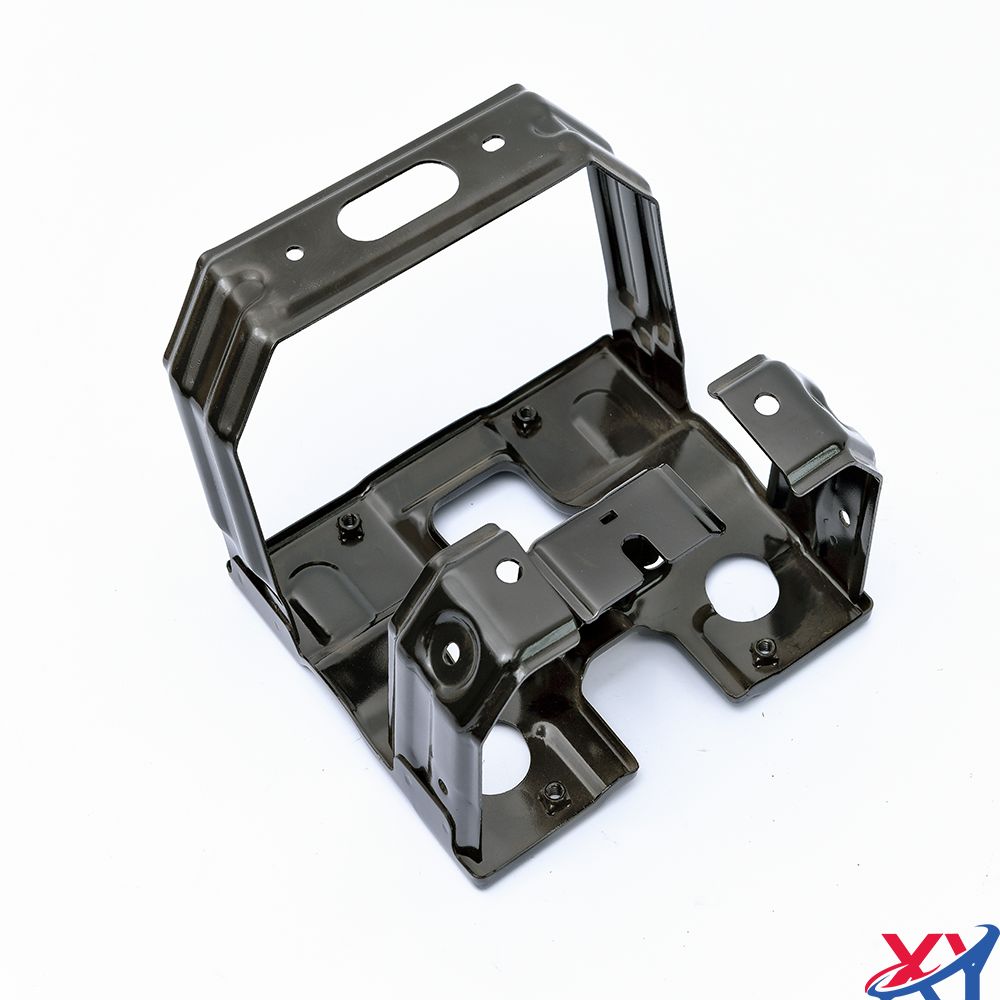
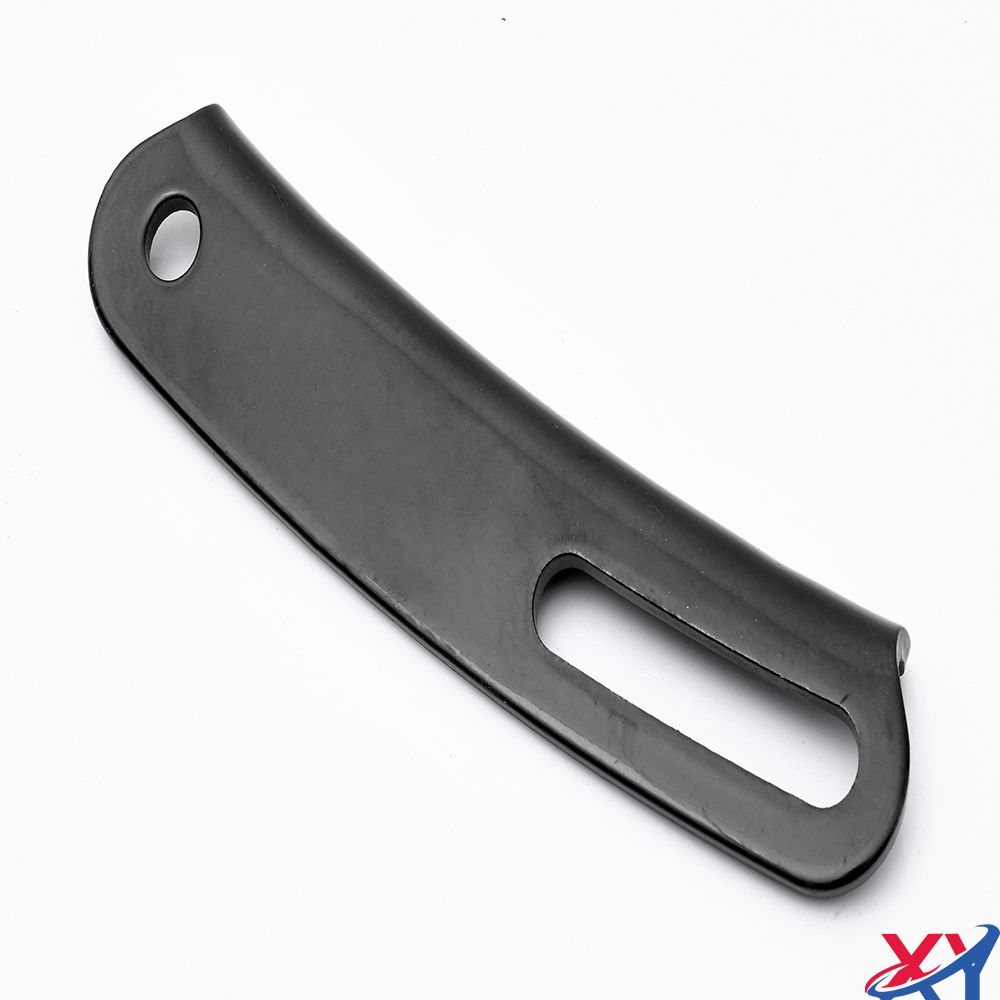
Progressive Die Stamping Overview
Progressive die stamping feeds coiled material through a series of stations, with each strike performing a different operation. A stamping pressing supplier with progressive capability can produce complex parts at high speeds as the strip advances between press strokes. The part remains attached to the carrier strip throughout processing, finally separating at the final station where blanking cuts the finished piece free.
This approach suits high-volume production scenarios:
Parts requiring multiple distinct operations benefit from station arrangement
Long strip lengths enable extended production runs without interruption
Consistent part quality maintained throughout tool life
High stroke rates maximize throughput for stamping pressing operations
Transfer Die Stamping Approach
Transfer die systems lift individual blanks from one station to the next using mechanical transfer fingers. Unlike progressive stamping where the part remains connected to strip stock, transfer operations allow greater flexibility in part geometry since the blank is not constrained by strip width. A stamping pressing manufacturer employing transfer dies handles larger, three-dimensional parts that progressive lines cannot accommodate.
Transfer die stamping pressing works well when:
Part size exceeds the width practical for strip-fed operations
Parts require orientation changes between forming stages
Multiple independent pieces nest within single blank layouts
Three-dimensional features require reorientation during forming
Compound Die Stamping Characteristics
Compound dies perform multiple operations in a single press stroke at a single station. This stamping pressing approach excels for simpler parts where all features can be accessed from the same orientation. The compound approach typically produces parts with excellent dimensional accuracy since there is no accumulated variation from multiple stations and no transfer between operations.
Consider compound stamping pressing when:
Part designs require only blanking, piercing, and simple forming
Dimensional precision is paramount and single-station accuracy suffices
Part geometry is fundamentally two-dimensional
Production volumes justify the tooling investment
Part Complexity and Tooling Investment
Tooling costs escalate significantly with stamping complexity, and stamp pressing method selection must account for this economic reality. Progressive dies with many stations cost substantially more than simple compound tools. However, per-part processing costs decrease with progressive automation, creating a break-even point that depends on total volume and part complexity.
When evaluating stamping pressing approaches:
Progressive dies offer lowest per-part cost at high volumes despite higher tooling
Transfer dies provide flexibility for complex parts at moderate volumes
Compound dies balance moderate tooling cost with operational simplicity
Tooling life expectations affect total cost calculations
Production Volume Considerations
Annual volume fundamentally influences which stamping pressing method makes economic sense. Very high volumes in the millions annually typically favor progressive dies where automation delivers maximum efficiency. Medium volumes of thousands to hundreds of thousands annually may justify transfer or compound approaches depending on part geometry and complexity.
Volume guidelines for stamping pressing selection:
Volumes above one million annually often justify multi-station progressive tooling
Thousands to hundreds of thousands suit compound or simple progressive approaches
Low volumes may favor simple tooling or alternative fabrication methods
Bridge production during tooling development uses simpler processes
Material Selection for Stamping Operations
Not all materials stamp equally well, and stamp pressing method selection must accommodate material characteristics. Low-carbon steels offer excellent formability for most stamping approaches. Advanced high-strength steels challenge tooling and may require modified approaches. Aluminum requires different clearance and parameters than steel.
Discuss material considerations with your stamping pressing supplier:
High-strength materials require robust tooling and increased press capacity
Aluminum offers weight advantages but demands different handling than steel
Stainless steel work-hardens and may need multiple forming stages
Material availability affects material selection and pricing
Dimensional Requirements and Tolerances
Part tolerance requirements influence stamping pressing method viability. Compound dies often achieve tighter tolerances since all features relate to a single reference point without accumulated variation. Progressive dies can achieve excellent tolerances with careful station-to-station control. Transfer dies introduce variation from part handling between stations.
Tolerance considerations for stamping pressing:
Precision applications may require compound or specially designed progressive tools
Tolerance stacks across progressive stations require careful design analysis
Secondary machining operations may address critical tolerance requirements
Statistical process control maintains tolerances throughout production runs
Secondary Operations and Finishing
Many stamped parts require additional operations beyond the press, and stamping pressing method selection affects subsequent processing. Heat treatment after stamping may be necessary for high-strength applications. Plating and surface treatment require different handling depending on part configuration. Assembly operations must be accommodated in production planning.
Secondary capabilities from your stamping pressing supplier:
Welding and assembly operations integrated into production workflows
Heat treatment processes for hardness modification
Surface finishing including plating, anodizing, or powder coating
Quality inspection and testing documentation for critical applications
Frequently Asked Questions
What is the difference between progressive and transfer die stamping?
Progressive die stamping pressing keeps the part connected to strip stock as it advances through stations. Transfer systems lift individual blanks between stations using mechanical fingers, allowing larger and more complex parts.
When should I choose compound die stamping?
Select compound die stamping pressing when parts are relatively simple with features accessible from one orientation. Compound dies deliver excellent accuracy and work well for high-volume parts requiring blanking and piercing operations.
How do I determine the right stamping process for my part?
Work with an experienced stamping pressing supplier to evaluate part geometry, tolerance requirements, material selection, and production volume. The optimal process balances tooling investment against per-part manufacturing cost.
What volumes justify progressive die tooling investment?
Progressive die stamping pressing typically becomes economical at volumes exceeding several hundred thousand parts annually. The exact break-even point depends on part complexity, material costs, and acceptable lead times.
Can stamped parts achieve precision tolerances?
Yes, stamping pressing processes achieve tolerances from ±0.025mm for precision applications to ±0.5mm for standard commercial stampings. Compound dies often provide the tightest absolute tolerances.
Conclusion
Selecting the right stamping pressing approach requires balancing multiple factors including part complexity, production volume, material selection, and tolerance requirements. Working with experienced manufacturers helps procurement teams navigate these trade-offs and identify solutions that meet both technical and economic objectives. Early supplier engagement during product development prevents costly retooling and ensures that stamping approaches align with production realities.
As product development cycles accelerate, building relationships with capable stamping pressing manufacturers becomes increasingly valuable. Partners who understand your application requirements can suggest design modifications that reduce cost, improve quality, and speed time to market without compromising functional performance.
References
Hosford, W. F., & Caddell, R. M. (2011). Metal Forming: Mechanics and Metallurgy (4th ed.). Cambridge University Press.
ASM International. (2016). ASM Handbook, Volume 14A: Metalworking: Bulk Forming.
Altan, T., & Tekkaya, A. E. (2012). Sheet Metal Forming: Fundamentals. ASM International.
Schuler, G. (2017). Metal Forming Handbook. Springer.
Davies, G. (2012). Materials for Automobile Bodies (2nd ed.). Butterworth-Heinemann.
