
Closed Die Forging vs Open Die Forging
Understanding Forging Process Fundamentals
Forging represents one of manufacturing's oldest and most reliable metal forming processes, applying compressive forces to shape heated metal through plastic deformation. This fundamental process aligns metal grain structure with part geometry, producing components with superior mechanical properties compared to casting or machining alternatives. Modern forging operations utilize hydraulic presses, mechanical presses, and hammers to produce components ranging from simple shapes to complex precision parts.
The choice between closed die and open die forging significantly impacts production economics, part quality, and application suitability. Understanding the characteristics, advantages, and limitations of each process enables informed manufacturing decisions for diverse industrial requirements. Global forging industry production exceeds 90 billion dollars annually, serving automotive, aerospace, construction, and energy sectors with critical components.
Closed Die Forging Process Characteristics
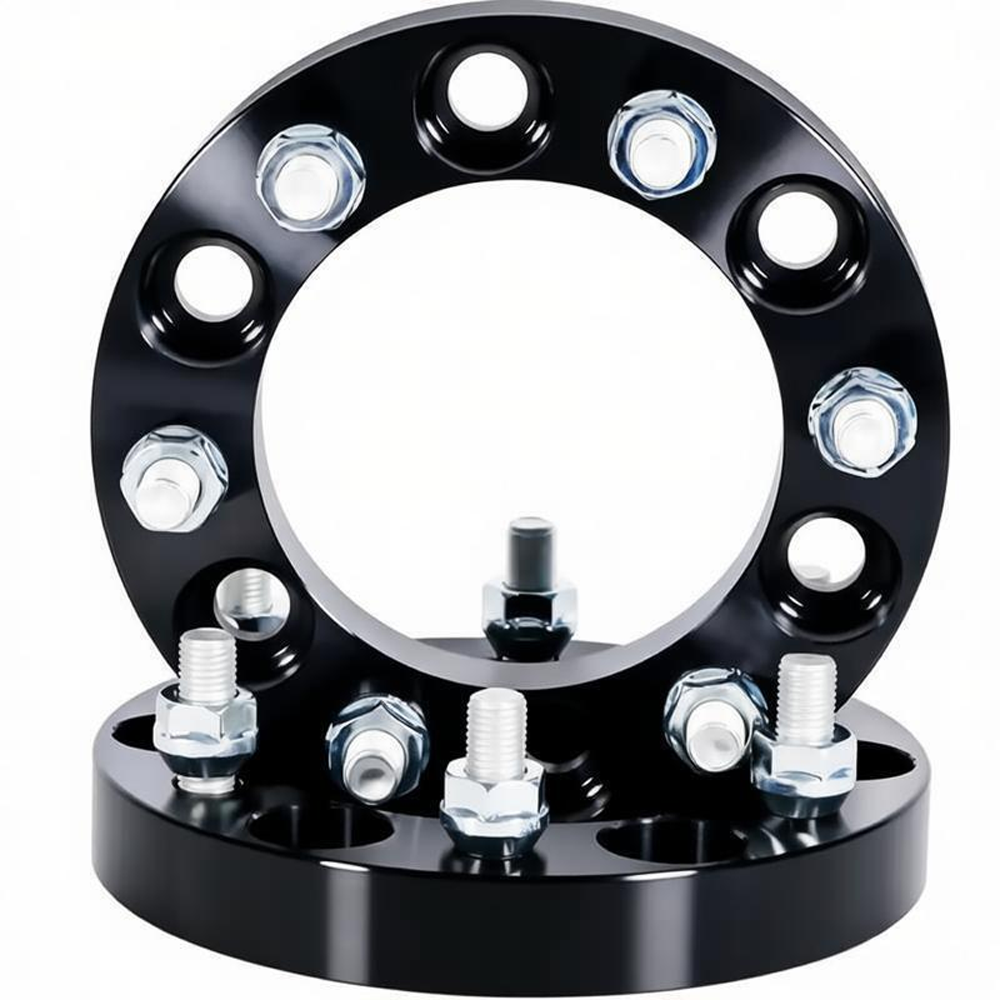
Closed die forging, also known as impression die forging, shapes heated metal within precisely machined die cavities that contain the final part geometry. The process forces heated billets into die impressions, causing metal to flow and fill the cavity contours. Excess material escapes into flash gutters, then trimmed after forging. This process produces net-shape or near-net-shape components requiring minimal subsequent machining.
Key closed die forging characteristics:
Die cavities contain complete part geometry
Flash formation requires trimming operation
High dimensional consistency across production
Excellent surface finish on forged surfaces
Efficient material utilization for complex shapes
Open Die Forging Process Overview
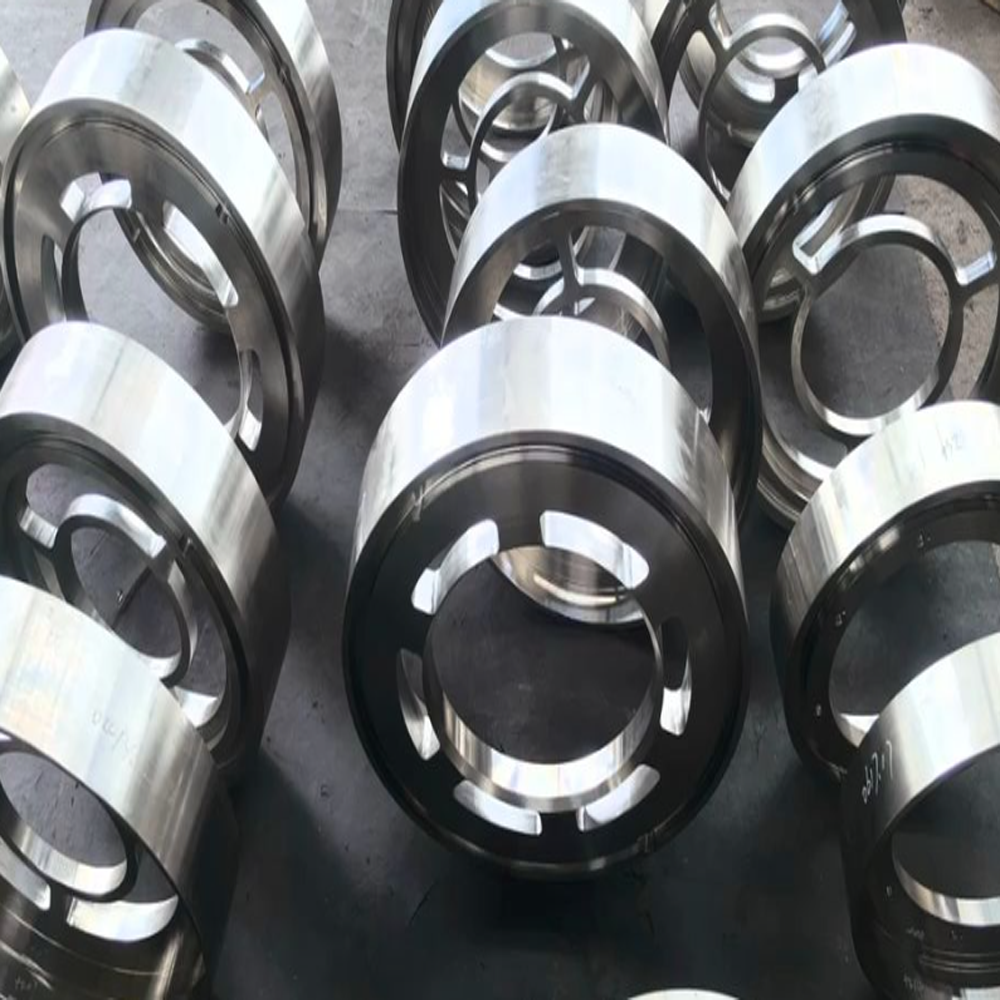
Open die forging deforms metal between flat or simple-contoured dies without completely enclosing the workpiece. This process gradually shapes heated ingots or billets through repeated blows or press strokes, with operators controlling workpiece positioning and deformation sequence. Open die forging produces large components including shafts, rings, discs, and custom shapes where dedicated closed die tooling would be impractical or uneconomical.
Open die forging advantages:
No dedicated tooling investment required
Accommodates very large component sizes
Flexible for custom and low-volume production
Enables continuous grain flow optimization
Suitable for prototype and development quantities
Production Volume Economics
Volume requirements fundamentally influence process selection between closed die and open die forging. Closed die forging requires significant upfront tooling investment ranging from $20,000 for simple parts to several hundred thousand dollars for complex geometries. This investment amortizes across production quantities, making closed die economical at volumes exceeding 1,000-5,000 parts annually depending on complexity.
Open die forging eliminates tooling costs but requires higher per-part labor and processing time. For annual volumes below 500-1,000 parts or for components exceeding closed die equipment capacity, open die provides the practical solution. Very large shafts, rings, and custom components weighing several tons typically require open die forging regardless of quantity due to equipment limitations.
Dimensional Precision and Surface Quality
Closed die forging achieves superior dimensional precision with tolerances of ±0.5mm to ±1.5mm depending on part size and complexity. The die cavity geometry constrains material flow, ensuring consistent dimensions across production lots. Surface finish on as-forged surfaces typically measures 3.2-6.3 micrometers Ra, suitable for many applications without machining. Machining stock allowance of 1-3mm enables finish machining to final dimensions.
Open die forging produces components with wider tolerances of ±3mm to ±10mm depending on size and complexity. The manual positioning and repeated deformation introduce dimensional variation requiring substantial machining allowance. Surface finish varies with die condition and material, typically requiring machining for finished surfaces. However, open die forging enables grain structure optimization through strategic deformation sequences.
Part Complexity and Geometry Capabilities
Closed die forging produces complex three-dimensional geometries including undercuts, bosses, ribs, and intricate contours. Multi-impression dies perform preliminary and finish operations in sequence, progressively forming complex shapes. The process accommodates features impossible to produce through open die methods, enabling design integration that reduces assembly components.
Open die forging shapes basic geometries including:
Shafts and stepped shafts
Discs, blanks, and hubs
Rings, sleeves, and cylinders
Bars and rectangular sections
Simple three-dimensional forms
Material Properties and Grain Structure
Both closed die and open die forging produce superior mechanical properties compared to casting alternatives. The forging process refines grain structure, closes internal voids, and aligns grain flow with part geometry. Closed die forging constrains material flow within die cavities, producing grain orientation that follows part contours. This grain structure enhances fatigue resistance and impact toughness.
Open die forging enables intentional grain flow optimization through deformation sequence control. Skilled operators orient workpiece positioning to direct grain flow patterns aligned with stress directions in final application. For large shafts and critical structural components, this grain flow engineering provides performance advantages. The forging ratio, measuring cross-sectional area reduction, influences mechanical property enhancement in both processes.
Equipment and Size Capabilities
Closed die forging equipment capacity limits maximum part size. Mechanical presses ranging from 500 to 12,000 tons dominate automotive and general industrial applications. Hydraulic presses to 20,000 tons serve larger components. Maximum part weights typically range from 0.1 kg to 100 kg for closed die forging, with some specialized equipment handling larger components.
Open die forging accommodates much larger components:
Hydraulic presses to 15,000 tons
Part weights exceeding 100 tons
Lengths exceeding 20 meters for shafts
Rings to 8 meters diameter
Custom shapes for specialized applications
Applications and Industry Sectors
Closed die forging serves high-volume production applications in automotive including connecting rods, crankshafts, transmission gears, and suspension components. Aerospace applications require closed die precision for structural fittings, landing gear components, and engine hardware. Medical devices utilize precision closed die forging for surgical instruments and implantable components.
Open die forging applications include:
Power generation turbine and generator shafts
Oil and gas drilling equipment
Marine propulsion shafts and rudder components
Construction equipment structural components
Custom and prototype components across industries
Frequently Asked Questions
When should I choose closed die over open die forging?
Select closed die forging for production volumes exceeding 1,000-5,000 parts annually where part complexity and dimensional precision justify tooling investment. Open die suits low volumes, very large components, or applications requiring custom geometries without dedicated tooling.
What is the cost difference between closed die and open die forging?
Closed die forging requires significant tooling investment ($20,000-$200,000+) but lower per-part costs at volume. Open die forging eliminates tooling costs but has higher per-part processing costs. Total cost comparison depends on production volume and part complexity.
Can open die forging achieve similar quality to closed die?
Both forging processes achieve excellent mechanical properties through grain refinement. Closed die provides better dimensional consistency and surface finish. Open die enables grain flow optimization for critical applications. Quality depends on process control in either method.
What size limitations exist for closed die forging?
Closed die forging typically produces parts to 100 kg maximum weight in standard equipment. Specialized large presses handle components to several hundred kilograms. Components exceeding these limits require open die forging regardless of production volume.
How does lead time compare between processes?
Closed die forging requires 12-20 weeks for die design and manufacture before production. Open die forging begins immediately after material procurement. For urgent requirements, open die provides faster delivery without tooling development lead time.
Conclusion
Closed die and open die forging serve complementary roles in metal manufacturing, each offering distinct advantages for specific applications. Closed die forging excels for high-volume production of precision components where tooling investment amortizes favorably. Open die forging provides flexibility for large components, custom geometries, and low-volume requirements without dedicated tooling.
Selection between forging methods requires careful evaluation of production volume, part complexity, dimensional requirements, size limitations, and economic factors. Partnering with experienced forging suppliers ensures appropriate process selection and successful manufacturing outcomes for demanding industrial applications.
References
Dieter, G. E., Kuhn, H. A., & Semiatin, S. L. (2003). Handbook of Workability and Process Design. ASM International.
ASM International. (2017). ASM Handbook, Volume 14A: Metalworking: Bulk Forming. ASM International.
Altan, T., Oh, S. I., & Gegel, H. L. (2013). Metal Forming: Fundamentals and Applications. ASM International.
Hosford, W. F. (2015). Mechanical Behavior of Materials (2nd ed.). Cambridge University Press.
Lange, K. (2015). Handbook of Metal Forming. Society of Manufacturing Engineers.
