
Key Advantages of Stamping Pressing for OEM Projects
Why Stamping Pressing Excels in OEM Manufacturing
Stamping pressing has established itself as the preferred manufacturing process for original equipment manufacturers requiring high-volume precision components. This cold-forming process transforms flat metal sheets into complex three-dimensional parts through controlled deformation using specialized tooling and precision presses. The automotive, appliance, electronics, and industrial equipment sectors increasingly rely on stamp pressing to meet demanding production and quality requirements.
For OEM projects with annual volumes exceeding 10,000 units, stamp pressing delivers compelling economic advantages. Once tooling investments are amortized, per-part costs decrease dramatically compared to machining or fabrication alternatives. Understanding the comprehensive benefits enables OEM procurement and engineering teams to optimize manufacturing strategies for competitive advantage.
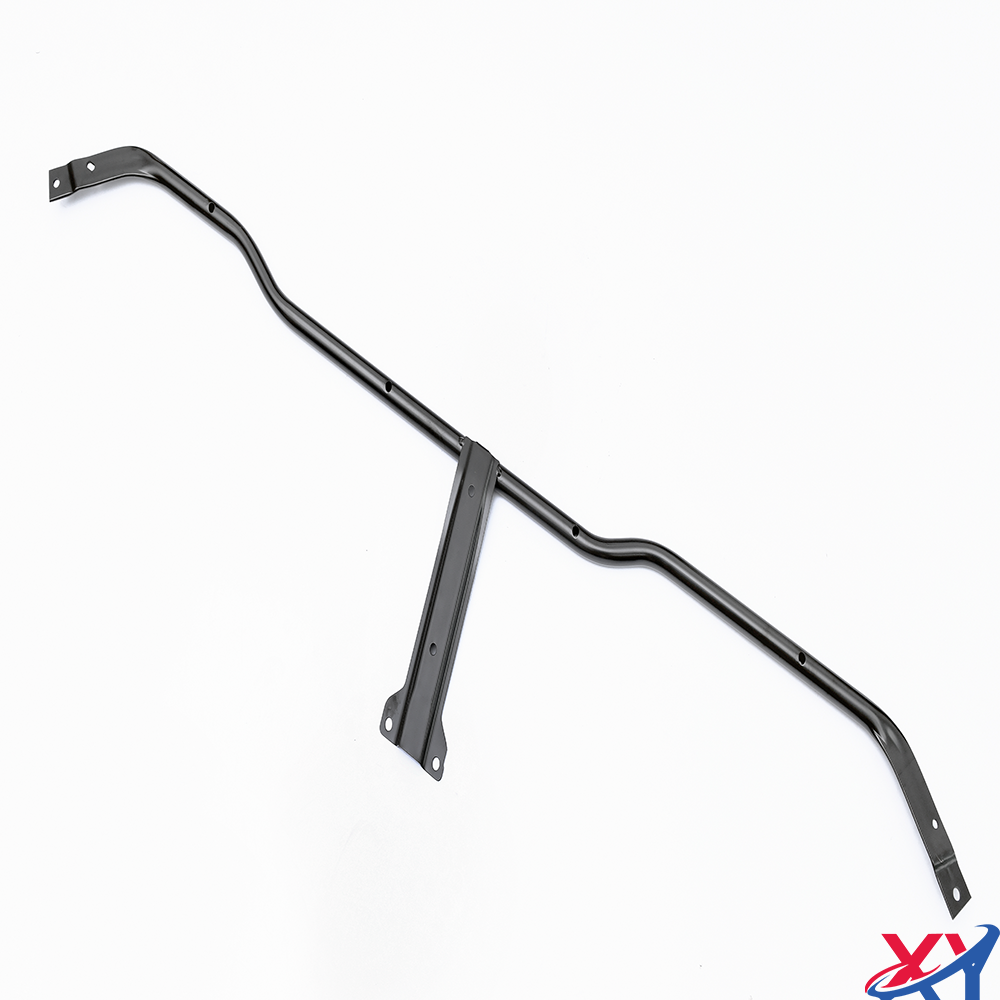
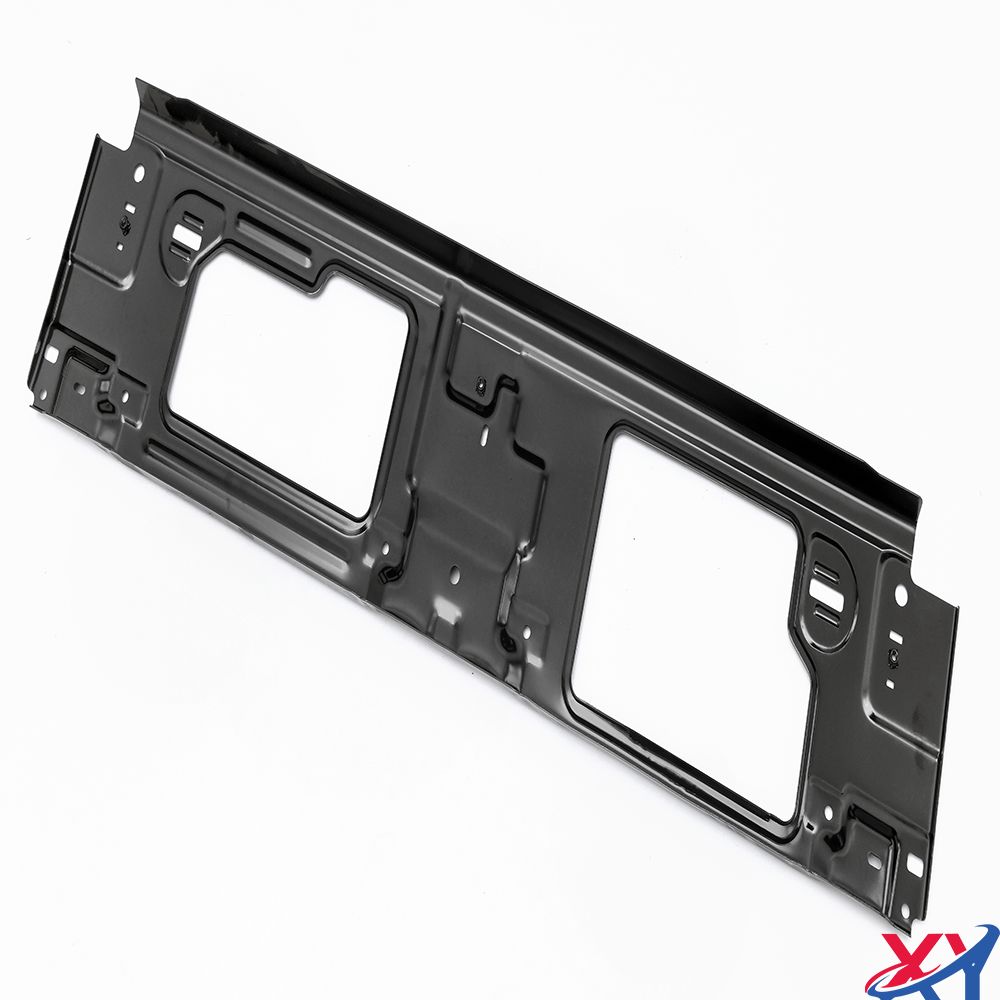
Exceptional Cost Efficiency at Scale
Stamping pressing achieves unmatched cost efficiency for high-volume production runs. Material costs dominate component pricing, and stamping minimizes waste through optimized blank layouts achieving material utilization rates of 75-85%. Automated progressive dies process material continuously at rates reaching 1,500 strokes per minute, translating to thousands of completed parts per hour depending on complexity.
Consider a typical automotive bracket produced through different methods. Machining from solid stock might cost $8-12 per part in material and machining time. Fabricated assemblies requiring welding and assembly could cost $5-8 each. Stamping pressing delivers the same component for $0.50-1.50 after tooling amortization, demonstrating the dramatic cost advantage at production volumes. This cost differential significantly impacts OEM profitability across millions of components.
Precision and Consistency Benefits
OEM specifications demand tight tolerances and consistent quality across millions of parts. Stamping pressing achieves dimensional tolerances of ±0.05mm to ±0.25mm depending on feature type and tooling sophistication. More importantly, properly maintained tooling produces consistent parts throughout its service life, which may extend to several million strokes. This repeatability ensures assembled products perform consistently without variation-related issues.
Quality consistency advantages include:
Dimensional stability across entire production run
Consistent hole positioning and feature relationships
Uniform material properties without machining-induced variations
Predictable assembly fit and function
Reduced inspection requirements through process capability
Design Flexibility for Complex Geometries
Modern stamp pressing technology produces increasingly complex geometries that challenge conventional fabrication methods. Progressive dies incorporate multiple stations performing blanking, piercing, bending, forming, and coining operations in sequence. Advanced die designs achieve features including compound curves, return flanges, embossed details, and threaded holes directly in the stamping process.
For OEM engineers, this capability translates into design optimization opportunities. Components previously requiring multiple fabricated pieces can integrate into single stamped parts, eliminating assembly operations and potential failure points. Stamping pressing enables functional integration that reduces part counts while improving structural integrity and reducing total manufacturing cost.
Material Efficiency and Sustainability
Stamping pressing maximizes material utilization compared to subtractive manufacturing processes. Advanced nesting software optimizes blank layouts to minimize scrap between parts. Modern coil-fed systems reduce material handling and enable continuous production. Scrap materials remain recyclable, contributing to sustainable manufacturing practices increasingly valued by OEM organizations and end customers.
Material efficiency improvements deliver multiple benefits:
Reduced raw material procurement costs
Lower material handling and storage requirements
Minimized waste disposal expenses
Improved sustainability metrics for corporate responsibility
Consistent material properties throughout coil
Rapid Production and Delivery Capability
OEM production schedules demand responsive manufacturing partners. Stamping pressing operations run continuously with minimal downtime for changeovers on automated systems. Coil-fed presses process material without interruption for coil changes lasting minutes rather than hours required for alternative processes. High-speed stamping operations achieve production rates supporting demanding automotive and appliance build schedules.
Production speed advantages enable:
Just-in-time delivery reducing inventory costs
Rapid response to demand fluctuations
Shortened lead times for product launches
Capacity flexibility for volume variations
Reduced work-in-progress inventory
Quality Assurance Integration
Professional stamp pressing operations implement comprehensive quality management systems meeting OEM requirements. In-die sensors detect abnormalities including slug pulling, misfeeds, and missing features, preventing defective parts from progressing. Statistical process control monitors critical dimensions throughout production runs. Vision systems inspect parts at production speeds, ensuring outgoing quality meets specifications.
Quality systems supporting OEM requirements:
ISO 9001 quality management certification
IATF 16949 automotive quality standards
PPAP documentation for part qualification
Statistical process control monitoring
Traceability systems for material and production records
Tooling Investment and Lifecycle Economics
Stamping pressing requires upfront tooling investment that varies with part complexity. Simple single-operation dies may cost $5,000-15,000 while complex progressive dies for intricate parts range from $50,000-200,000 or more. However, this investment amortizes across the entire production volume, making stamp pressing increasingly economical as quantities increase.
Tooling lifecycle considerations important for OEM planning:
Expected tool life ranging from 500,000 to several million parts
Regular maintenance schedules ensuring consistent quality
Resharpening extending tool life economically
Spare tooling availability for critical components
Tool ownership and storage arrangements
Frequently Asked Questions
What minimum volume makes stamping pressing cost-effective?
Stamping pressing typically becomes economical at annual volumes exceeding 10,000 units. Higher volumes progressively reduce per-part costs. Tooling investments amortize faster with greater quantities, improving return on investment.
How long does stamping tooling last?
Properly maintained stamp pressing tooling produces 500,000 to several million parts before major maintenance. Progressive dies with proper care may exceed 10 million parts over their service life through regular resharpening and refurbishment.
What tolerances can stamping achieve for OEM parts?
Stamping pressing achieves tolerances of ±0.05mm to ±0.25mm for precision stampings. Standard commercial stampings maintain ±0.25mm to ±0.5mm. Actual capability depends on material, part complexity, and tooling quality.
Can stamping pressing handle high-strength materials?
Modern stamp pressing technology processes advanced high-strength steels and aluminum alloys used in OEM applications. These materials require increased press tonnage, specialized tooling, and optimized parameters for successful forming.
What lead time is required for stamping tooling?
Stamping pressing tooling development typically requires 8-16 weeks from design approval to production readiness. Complex progressive dies may need 12-20 weeks. Tooling lead times should factor into OEM project scheduling.
Conclusion
Stamping pressing delivers compelling advantages for OEM projects requiring high-volume precision components. Cost efficiency through material optimization and high-speed production, exceptional dimensional consistency, design flexibility for complex geometries, and integrated quality systems make stamp pressing the preferred choice for demanding manufacturing applications. Understanding these advantages enables OEM decision-makers to optimize supply chains and manufacturing strategies for competitive performance.
Partnering with experienced stamp pressing suppliers ensures access to technical expertise, quality systems, and production capabilities necessary for successful OEM programs. As manufacturing demands intensify, stamping technology continues advancing to meet evolving requirements for precision, efficiency, and cost performance.
References
Altan, T., & Tekkaya, A. E. (2012). Sheet Metal Forming: Fundamentals. ASM International.
Schuler, G. (2017). Metal Forming Handbook. Springer.
ASM International. (2016). ASM Handbook, Volume 14A: Metalworking: Bulk Forming. ASM International.
Hosford, W. F., & Caddell, R. M. (2011). Metal Forming: Mechanics and Metallurgy (4th ed.). Cambridge University Press.
Davies, G. (2012). Materials for Automobile Bodies (2nd ed.). Butterworth-Heinemann.
