
Introduction to Materials in Sheet Metal Fabrication
Material selection fundamentally influences success in sheet metal fabrication projects. The chosen material determines forming characteristics, welding parameters, corrosion resistance, surface finish options, and ultimate application suitability. Engineers and procurement professionals must understand material properties to optimize designs and specify appropriate grades for specific requirements.
Global consumption of sheet metal materials exceeds 500 million tons annually, with steel representing approximately 75% of total volume. Aluminum follows at approximately 15%, with copper, brass, and specialty alloys comprising the remainder. Understanding each material's characteristics enables informed selection for diverse applications.
Carbon Steel: The Foundation Material
Cold-rolled and hot-rolled carbon steels dominate sheet metal fabrication due to excellent formability, weldability, and cost-effectiveness. Low-carbon steels (below 0.25% carbon) offer maximum formability for complex shapes. Medium-carbon grades provide increased strength with moderate formability. Surface treatments including painting, plating, and powder coating enhance corrosion resistance for diverse applications.
Common carbon steel grades include:
CR1018 – excellent formability, general fabrication
CR1045 – higher strength, moderate forming
HR A36 – structural applications, plate work
Galvanized – zinc coating for corrosion protection
Electrogalvanized – thin zinc coating for painted surfaces
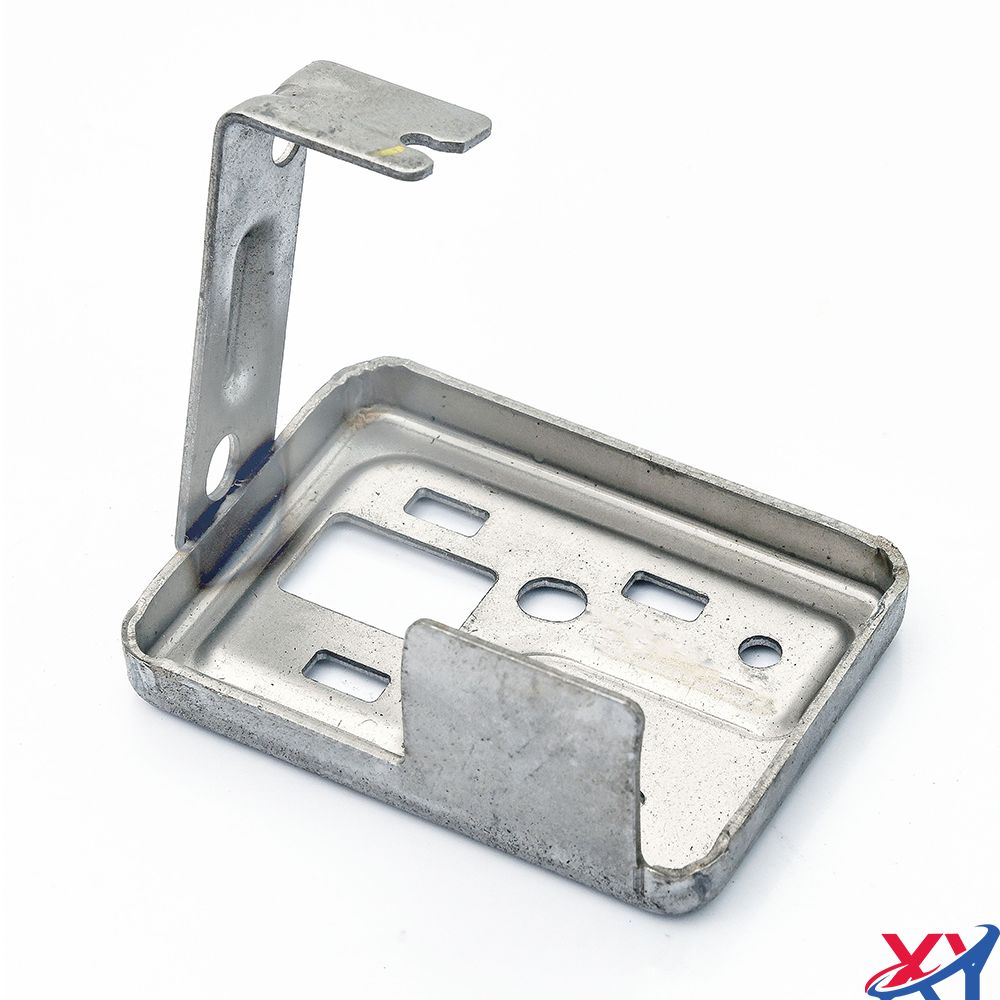
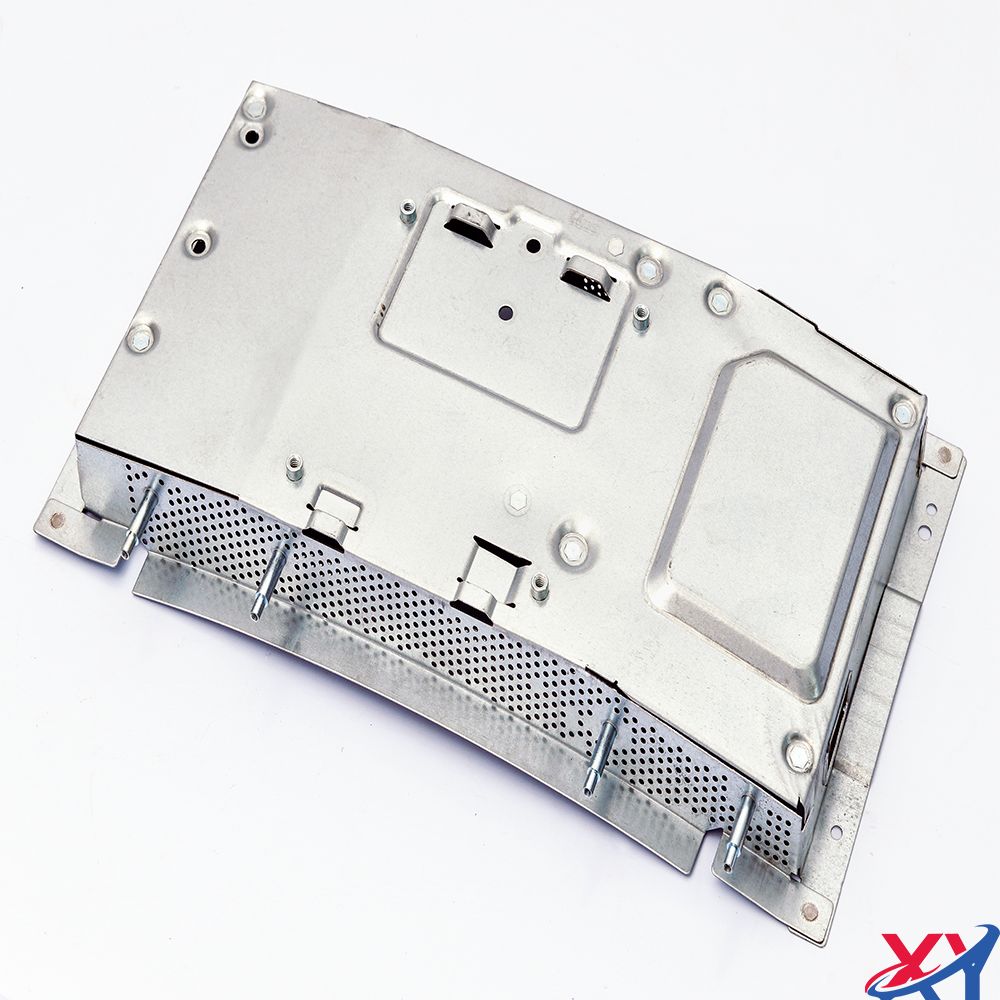
Stainless Steel: Corrosion Resistance
Stainless steels serve sheet metal fabrication applications requiring corrosion resistance, hygiene, or aesthetic appeal. Austenitic grades (300 series) offer excellent formability and weldability. Type 304 serves general applications, while Type 316 provides enhanced corrosion resistance for marine and chemical environments. Ferritic and martensitic grades offer alternatives for specific requirements.
Key stainless steel considerations:
Work hardening during forming operations
Specialized filler materials for welding
Passivation for enhanced corrosion resistance
Surface finish options (mill, brushed, polished)
Higher material costs versus carbon steel
Aluminum Alloys: Lightweight Solutions
Aluminum sheet materials enable lightweight sheet metal fabrication for aerospace, automotive, and transportation applications. Aluminum's low density (one-third that of steel) reduces component weight significantly. Excellent corrosion resistance eliminates protective coatings in many applications. Superior thermal and electrical conductivity suits heat exchangers and electrical enclosures.
Common aluminum alloys for sheet metal fabrication:
3003 – excellent formability, general applications
5052 – corrosion resistance, marine applications
6061 – structural applications, machinability
1100 – high purity, chemical equipment
7075 – high strength, aerospace applications
Copper and Copper Alloys
Copper materials serve sheet metal fabrication applications requiring superior electrical conductivity, thermal conductivity, or antimicrobial properties. Pure copper offers maximum conductivity but limited strength. Copper alloys including brass (copper-zinc) and bronze (copper-tin) provide improved mechanical properties with retained corrosion resistance.
Copper material characteristics:
Pure copper – 100% IACS electrical conductivity
Brass (C260, C280) – decorative, hardware applications
Bronze – marine hardware, bearings
Copper-nickel – marine applications, coinage
Beryllium copper – springs, electrical contacts
Specialty Alloys and Exotic Materials
Advanced applications demand specialty materials in sheet metal fabrication. Titanium alloys provide exceptional strength-to-weight ratios for aerospace and medical applications. Nickel-based alloys offer high-temperature performance for furnace components and chemical processing. Clad materials combine properties of different metals for specialized requirements.
Specialty materials include:
Titanium (Grade 2, Grade 5) – aerospace, medical, marine
Inconel – high-temperature applications
Hastelloy – chemical processing equipment
Monel – marine and chemical applications
Clad materials – combination of properties
Material Selection Criteria
Selecting appropriate materials for sheet metal fabrication requires evaluating multiple factors. Mechanical property requirements including strength, ductility, and hardness narrow material options. Environmental conditions determine necessary corrosion resistance. Forming operations influence material grade selection based on formability parameters.
Key selection factors include:
Mechanical property requirements
Corrosion resistance needs
Forming complexity and parameters
Welding and joining requirements
Surface finish specifications
Cost and availability
Thickness and Gauge Standards
Sheet metal fabrication specifies material thickness using gauge systems or decimal measurements. Standard gauge systems differ for steel, aluminum, and other materials, causing potential confusion. Decimal thickness specification eliminates ambiguity and ensures accurate material procurement.
Common thickness ranges:
Foil – below 0.15mm (0.006 inch)
Thin sheet – 0.15mm to 0.5mm (0.006-0.020 inch)
Standard sheet – 0.5mm to 3mm (0.020-0.125 inch)
Plate – above 3mm (0.125 inch)
Surface Treatment Compatibility
Material selection in sheet metal fabrication must consider surface treatment compatibility. Steel materials accept painting, plating, and powder coating. Stainless steel requires passivation or electropolishing to maximize corrosion resistance. Aluminum accepts anodizing, chromate conversion, and painting. Copper materials develop natural patina or accept protective coatings.
Surface treatment options by material:
Carbon steel – paint, powder coat, plate, galvanize
Stainless steel – passivation, electropolish, bead blast
Aluminum – anodize, chromate, paint, powder coat
Copper – lacquer, patina, tin plating
Titanium – anodize, passivate
Frequently Asked Questions
What is the most commonly used material in sheet metal fabrication?
Cold-rolled low-carbon steel represents the most common material in sheet metal fabrication due to excellent formability, weldability, low cost, and wide availability. It serves general fabrication applications across industries.
Which material is best for outdoor applications?
Stainless steel (Type 304 or 316) provides excellent corrosion resistance for outdoor sheet metal fabrication. Aluminum offers natural corrosion resistance suitable for many outdoor applications. Galvanized steel provides economical corrosion protection.
What thickness of sheet metal is easiest to form?
Material thicknesses between 0.5mm and 1.5mm offer optimal formability in sheet metal fabrication. Thinner materials tear easily; thicker materials require increased forming forces. Material grade also influences formability significantly.
Can aluminum be welded like steel?
Aluminum requires different welding techniques in sheet metal fabrication. TIG welding with AC current and MIG welding with specialized wire suit aluminum. Surface oxide must be removed before welding. Aluminum's high thermal conductivity requires modified parameters.
What material offers the best strength-to-weight ratio?
Titanium provides the highest strength-to-weight ratio among common sheet metal fabrication materials. High-strength aluminum alloys (7075, 2024) also offer excellent ratios at lower cost. Material selection should consider total application requirements.
Conclusion
Material selection in sheet metal fabrication significantly impacts product performance, manufacturing efficiency, and total cost. Understanding properties of carbon steel, stainless steel, aluminum, copper, and specialty materials enables engineers to optimize designs for specific applications. Collaborating with experienced fabrication partners ensures appropriate material specification and successful project outcomes.
As material technology advances, sheet metal fabrication benefits from improved alloys offering enhanced strength, formability, and corrosion resistance. Staying current with material developments enables manufacturers to leverage new capabilities while maintaining proven material selections for established applications.
References
Davis, J. R. (2018). ASM Specialty Handbook: Carbon and Alloy Steels. ASM International.
Davis, J. R. (2016). ASM Specialty Handbook: Stainless Steels. ASM International.
Davis, J. R. (2013). ASM Specialty Handbook: Aluminum and Aluminum Alloys. ASM International.
ASM International. (2017). ASM Handbook, Volume 2: Properties and Selection of Materials. ASM International.
Kalpakjian, S., & Schmid, S. R. (2014). Manufacturing Engineering and Technology (7th ed.). Pearson.
