
What Is Hot Pressing and When Is It Used?
Introduction to Hot Pressing Manufacturing
Hot pressing combines heat and pressure to form metal components with superior mechanical properties and complex geometries. This specialized manufacturing process heats workpieces above their recrystallization temperature before forming, enabling greater deformation with reduced forming forces compared to cold forming operations. The resulting parts exhibit improved strength, ductility, and dimensional accuracy.
Originally developed for aerospace applications requiring exceptional material properties, hot pressing has expanded into automotive, energy, and general industrial markets. The process particularly suits high-strength materials that resist cold forming and applications demanding optimized grain structure and mechanical performance.
Process Fundamentals
Hot pressing involves heating metal blanks to temperatures ranging from 60% to 80% of their melting point, typically 900-1200°C for steel alloys. The heated material undergoes plastic deformation in press tooling while maintaining elevated temperature. Some processes apply pressure during cooling to consolidate material and minimize porosity. The combination of thermal softening and mechanical pressure enables forming operations impossible with cold methods.
Key process parameters include:
Heating temperature and soaking time
Pressing pressure and duration
Cooling rate and atmosphere control
Die temperature management
Forming speed and pressure profile
Types of Hot Pressing Processes
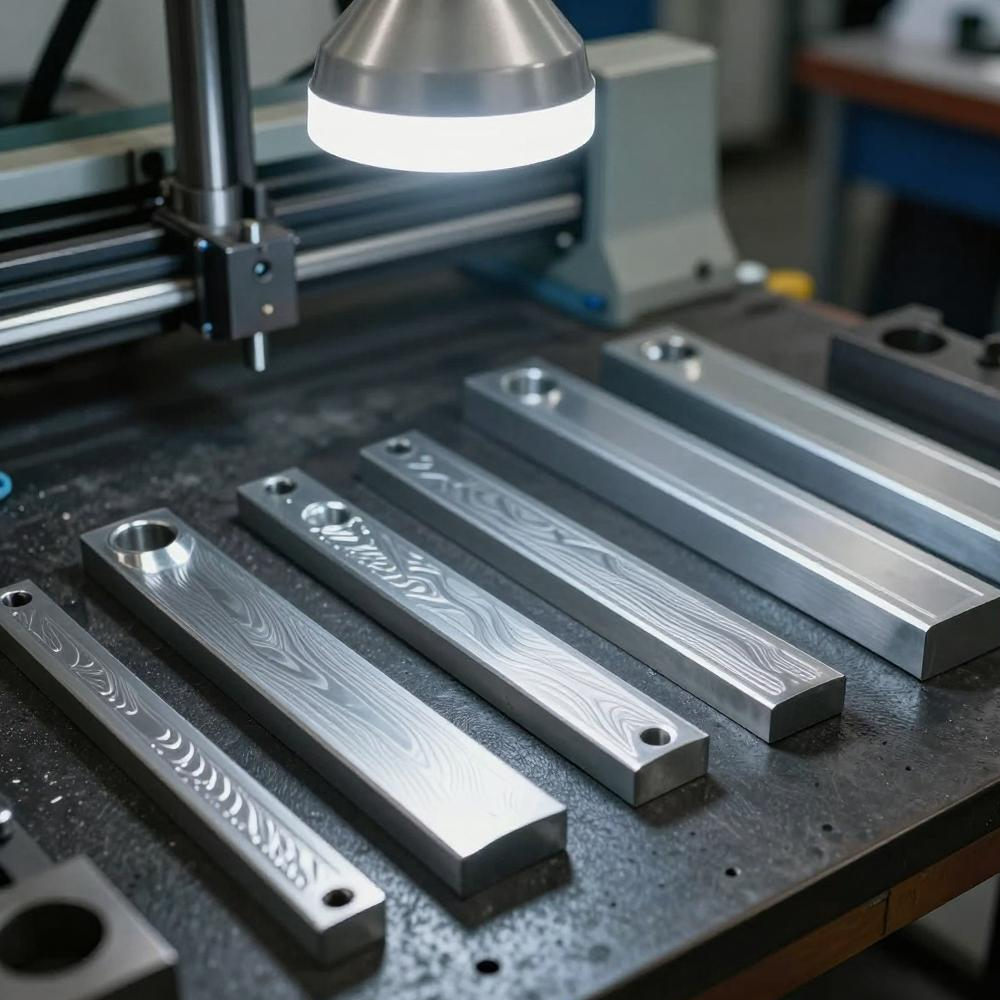
Several distinct processes fall under the hot pressing category. Hot die forming uses heated dies to maintain workpiece temperature during forming, reducing thermal gradients. Press hardening forms heated blanks then rapidly quenches them in-die, creating ultra-high-strength parts. Powder hot pressing consolidates metal powders into fully dense components through simultaneous heating and pressure application.
Process variations include:
Hot stamping and press hardening
Hot forging operations
Powder metallurgy hot pressing
Hot isostatic pressing (HIP)
Spark plasma sintering
Advantages Over Cold Forming
Hot pressing offers significant advantages for challenging materials and applications. Elevated temperatures reduce material yield strength, decreasing forming forces by 50-70% compared to cold forming. Greater formability enables complex shapes with deeper draws and sharper radii. Reduced springback improves dimensional accuracy. The thermal cycle can enhance mechanical properties through controlled microstructure development.
Key advantages include:
Reduced forming force requirements
Enhanced material formability
Complex geometry capability
Improved dimensional accuracy
Superior mechanical properties achievable
Materials Suited for Hot Pressing
Hot pressing processes a wide range of metals and alloys. Boron steels dominate automotive hot stamping applications, achieving tensile strengths exceeding 1,500 MPa after processing. Titanium alloys benefit from reduced forming forces at elevated temperatures. Aluminum alloys require lower temperatures but still gain formability advantages. Nickel-based superalloys demand hot pressing due to extreme cold forming resistance.
Common materials include:
Boron-alloyed steels (22MnB5, 30MnB5)
Titanium alloys (Ti-6Al-4V, CP-Ti)
Aluminum alloys (6061, 7075)
Nickel superalloys (Inconel, Hastelloy)
Stainless steels (304, 316, 17-4PH)
Industrial Applications
Automotive applications represent the largest market for hot pressing, particularly press-hardened components. A-pillars, B-pillars, bumper beams, and door reinforcements require ultra-high strength with controlled deformation characteristics. These safety-critical components protect occupants during collisions while enabling vehicle weight reduction for improved fuel efficiency.
Aerospace hot pressing applications include:
Turbine engine components
Structural airframe parts
Landing gear components
Engine mounts and brackets
Titanium airframe sections
Equipment and Tooling Requirements
Hot pressing requires specialized equipment beyond conventional forming presses. Heating systems including induction heaters, furnaces, or resistance heating bring blanks to forming temperature. Heated dies with integrated heating elements maintain temperature during forming. Hydraulic presses provide controlled force application with programmable speed profiles. Cooling systems enable rapid quenching for hardening applications.
Equipment considerations include:
Press capacity and stroke characteristics
Heating system type and capacity
Die material and heating integration
Cooling/quenching capability
Process control and monitoring systems
Quality Considerations
Hot pressing quality depends on precise temperature control throughout the process. Inadequate heating results in incomplete forming and excessive springback. Overheating causes surface scaling and decarburization. Die temperature management prevents premature workpiece cooling. Rapid quenching must achieve consistent cooling rates to ensure uniform hardness.
Quality parameters monitored include:
Blank temperature at forming
Forming force and displacement
Part hardness and strength
Dimensional accuracy
Surface condition and scale
Frequently Asked Questions
What is the difference between hot pressing and cold forming?
Hot pressing forms material above recrystallization temperature, reducing yield strength and increasing formability. Cold forming operates at room temperature, offering better surface finish but limited formability for complex shapes or high-strength materials.
What industries use hot pressing most?
Hot pressing serves automotive (press-hardened safety components), aerospace (titanium and superalloy forming), and industrial markets requiring complex geometries or high-strength materials. Automotive represents the largest application segment.
What temperature is used for hot pressing steel?
Hot pressing typically heats steel blanks to 900-950°C for boron steel press hardening applications. The exact temperature depends on alloy composition and desired microstructure. Temperature must exceed austenitization point for hardening applications.
Can all metals be hot pressed?
Most metals undergo hot pressing, but process economics and material response vary. Materials prone to severe oxidation require protective atmospheres. Some aluminum alloys form at lower temperatures than steels. Material selection should consider hot pressing suitability.
How does hot pressing improve part strength?
Hot pressing followed by rapid quenching creates martensitic microstructures in hardenable steels, achieving tensile strengths exceeding 1,500 MPa. The controlled thermal cycle refines grain structure and optimizes mechanical properties beyond what cold forming achieves.
Conclusion
Hot pressing manufacturing provides unique capabilities for producing high-strength components with complex geometries impossible through cold forming. The process excels with high-strength materials and applications demanding optimized mechanical properties. Understanding process fundamentals, material requirements, and application considerations enables effective utilization of hot pressing technology.
As industries demand lighter, stronger components, hot pressing technology continues advancing with improved process control, new material development, and expanded applications. Manufacturers selecting qualified hot pressing partners gain access to proven expertise and quality systems necessary for critical component production.
References
Karbasian, H., & Tekkaya, A. E. (2010). A Review on Hot Stamping. Journal of Materials Processing Technology, 210(15), 2103-2118.
Mori, K., et al. (2017). Hot Stamping of Ultra-High Strength Steel Parts. CIRP Annals, 66(2), 755-777.
Hosford, W. F., & Caddell, R. M. (2011). Metal Forming: Mechanics and Metallurgy (4th ed.). Cambridge University Press.
Altan, T., & Tekkaya, A. E. (2012). Sheet Metal Forming: Fundamentals. ASM International.
Billur, E. (2015). Hot Stamping of High Strength Steel. Elsevier.
