
Understanding Stamping Pressing in High-Volume Production
Introduction to Stamping Pressing
Stamping pressing represents one of manufacturing's most efficient processes for producing high-volume metal components. This cold-forming technique uses specialized tooling and presses to transform flat metal sheets into precise shapes through plastic deformation. The automotive industry alone consumes over 50% of global stamped parts, demonstrating the process's significance in modern manufacturing.
The fundamental appeal of stamp pressing lies in its ability to produce thousands of identical parts per hour with exceptional consistency. Once tooling is developed, per-part costs decrease dramatically, making stamping ideal for production volumes exceeding 10,000 units annually.
Core Processes in Stamping Pressing
Modern stamp pressing encompasses multiple forming operations performed singly or in combination. Blanking cuts parts from sheet material, creating the basic shape. Piercing produces holes and openings. Bending forms angles and channels. Drawing creates three-dimensional shapes with depth. Progressive dies combine these operations in sequence as material advances through stations.
Primary stamping operations include:
Blanking – cutting complete part outlines
Piercing – creating holes and slots
Bending – forming angles and curves
Drawing – producing cup-shaped parts
Forming – complex shape development
Coining – precision surface details
Equipment and Press Technologies
Stamping pressing employs various press types matched to application requirements. Mechanical presses dominate high-speed production with stroke rates exceeding 1,500 per minute. Hydraulic presses deliver full tonnage throughout the stroke, ideal for deep drawing operations. Servo-driven presses combine mechanical speed with programmable motion profiles for optimized forming.
Press specifications critical to process selection:
Tonnage capacity (10 to 5,000+ tons)
Stroke length and speed
Bed size and shut height
Drive system type
Control sophistication
Tooling Design and Development
Die design fundamentally determines stamp pressing success. Progressive dies perform multiple operations at different stations as strip material advances between press strokes. Transfer dies handle larger parts moved between stations by mechanical systems. Compound dies complete operations in single strokes for maximum precision.
Tooling development follows structured phases:
Part design and feasibility analysis
Die concept and strip layout
Detailed die design with simulation
Manufacturing and assembly
Trial and debugging
Production qualification
Material Considerations
Stamp pressing processes a wide range of materials with varying formability characteristics. Low-carbon steel remains the most common material due to excellent formability and low cost. Advanced high-strength steels (AHSS) enable weight reduction in automotive applications but challenge traditional stamping parameters. Aluminum alloys offer lightweight alternatives requiring modified tooling approaches.
Material properties affecting stamping include:
Yield strength and tensile strength
Elongation percentage
Work hardening characteristics
Surface finish and lubrication
Directional properties (anisotropy)
Quality Control in Stamping Pressing
Consistent quality requires systematic monitoring throughout stamp pressing operations. Statistical process control tracks critical dimensions and process parameters. In-die sensors detect abnormalities including missed operations, slug pulling, and material variations. Vision systems inspect parts at production speeds, rejecting non-conforming pieces.
Key quality metrics include:
Dimensional accuracy against specifications
Surface condition and finish
Burr height and edge quality
Material thickness variation
Form completeness without fractures
Advantages for High-Volume Manufacturing
Stamp pressing delivers compelling economic advantages for large-scale production. Per-part costs decrease as production volumes increase, with some high-volume automotive components costing fractions of a cent each. Production rates reach thousands of parts per hour, supporting demanding industry requirements. Exceptional repeatability ensures consistent quality across millions of parts.
Comparative advantages include:
Lowest per-part cost at high volumes
Minimal material waste through optimized nesting
Rapid production rates
Excellent dimensional consistency
Automated operation reducing labor costs
Applications Across Industries
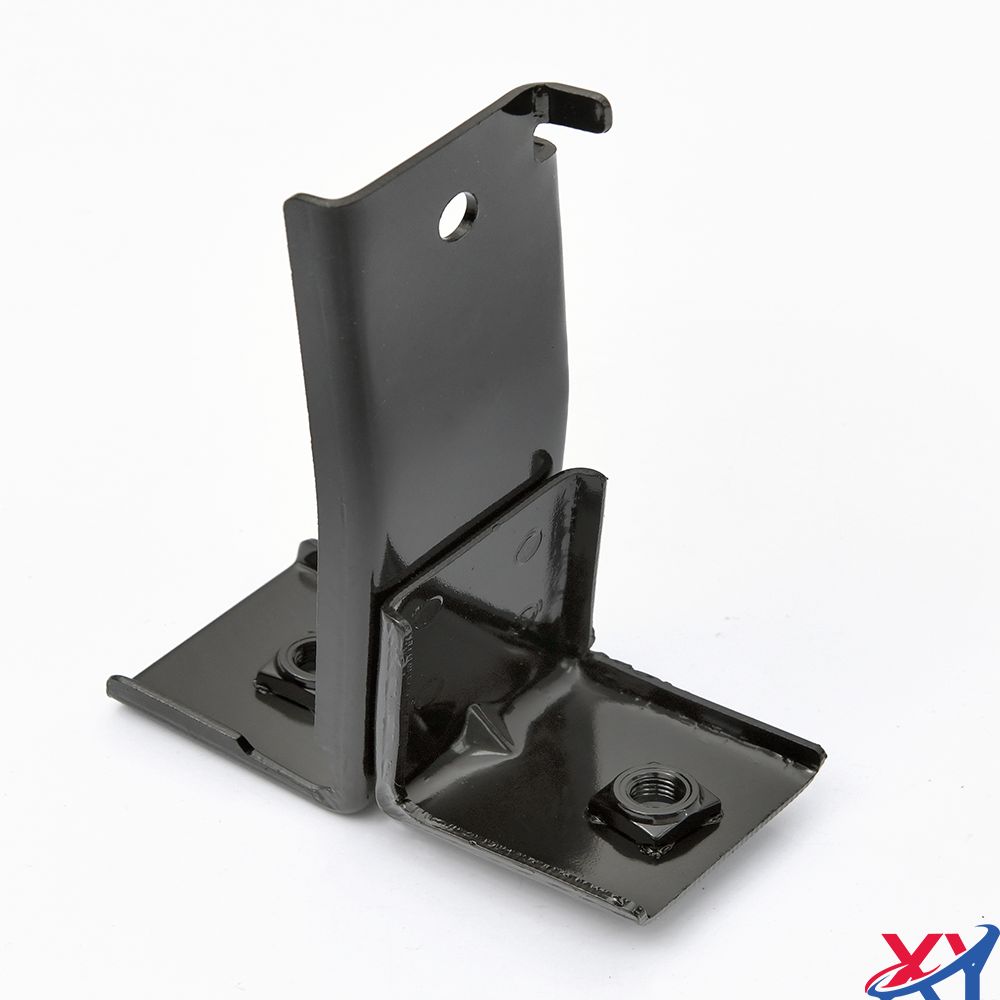
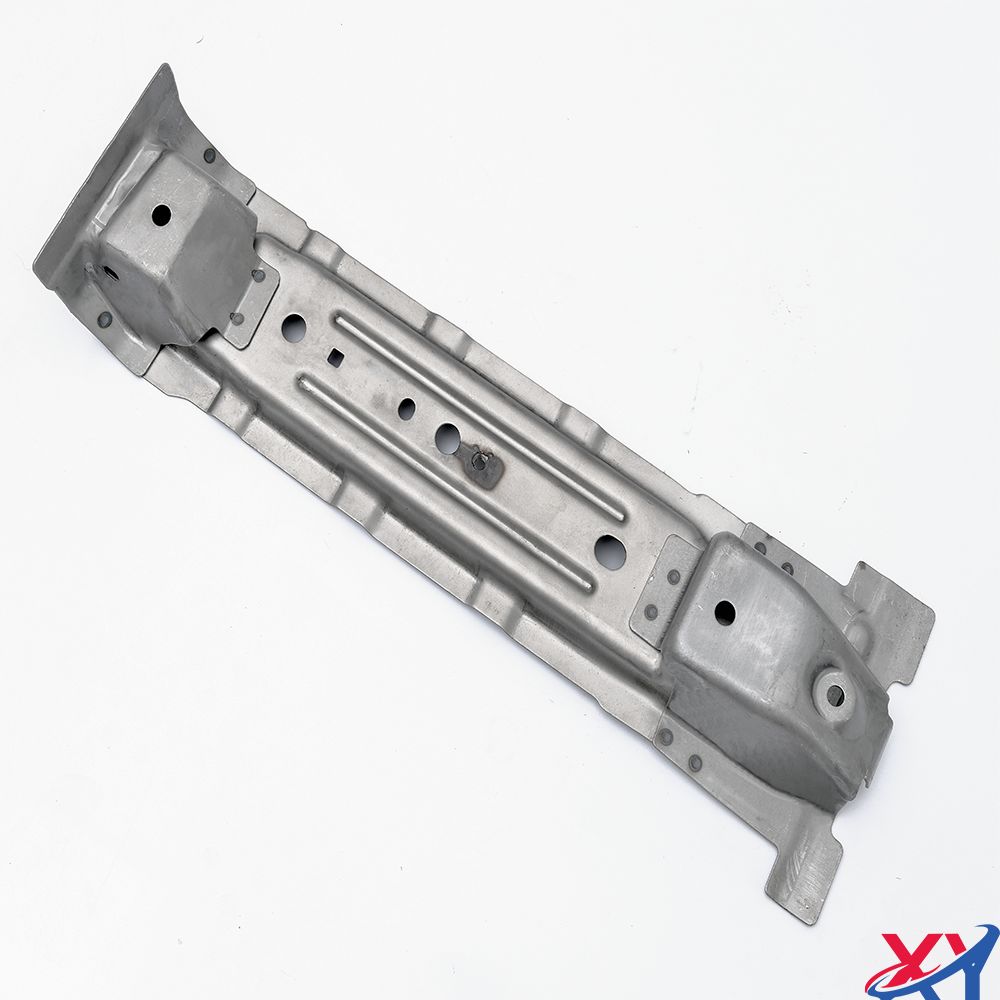
Automotive applications dominate stamp pressing usage, producing body panels, structural components, brackets, and exhaust systems. Appliance manufacturers stamp housings, internal components, and decorative elements. Electronics producers require precision stampings for connectors, shielding, and hardware. Construction industries utilize stamped components in HVAC systems, fasteners, and hardware.
Medical device manufacturers rely on micro-stamping for surgical instruments and implantable components with tolerances below 0.025mm. Aerospace applications include structural brackets, skins, and interior components meeting stringent quality requirements.
Frequently Asked Questions
What is the minimum production volume for stamping pressing?
Stamping pressing becomes economically viable at volumes typically exceeding 10,000 parts annually. Tooling costs require sufficient production to achieve favorable per-part economics. Higher volumes progressively reduce unit costs.
How accurate is stamping pressing?
Stamping pressing achieves tolerances of ±0.025mm to ±0.1mm for precision applications. Standard commercial stampings maintain ±0.25mm tolerance. Tolerance capability depends on part complexity, material, and tooling quality.
What materials work best for stamping?
Stamping pressing processes low-carbon steel, stainless steel, aluminum, brass, and copper effectively. Material formability, measured by elongation and n-value, determines stamping success. High-strength materials require increased press tonnage and specialized tooling.
How long does stamping tooling last?
Stamping pressing tooling typically produces 500,000 to several million parts before requiring maintenance. Progressive dies may complete 10 million+ parts over their service life with proper maintenance and resharpening.
What is the difference between progressive and transfer stamping?
Progressive stamping advances strip material through die stations, while transfer stamping moves individual blanks between operations. Progressive dies suit smaller parts; transfer systems handle larger components requiring more forming operations.
Conclusion
Stamping pressing remains indispensable for high-volume metal component production, offering unmatched efficiency, consistency, and cost-effectiveness at scale. Understanding process fundamentals enables engineers and procurement professionals to optimize designs for stamping manufacture and select qualified suppliers. Continued advancement in materials, tooling, and press technology expands stamping capabilities while maintaining its economic advantages.
Manufacturers evaluating production options should consider stamp pressing when volumes support tooling investment and part designs accommodate the process. Partnering with experienced stamping suppliers ensures successful outcomes from prototype through full-scale production.
References
Hosford, W. F., & Caddell, R. M. (2011). Metal Forming: Mechanics and Metallurgy (4th ed.). Cambridge University Press.
ASM International. (2016). ASM Handbook, Volume 14A: Metalworking: Bulk Forming. ASM International.
Schuler, G. (2017). Metal Forming Handbook. Springer.
Altan, T., & Tekkaya, A. E. (2012). Sheet Metal Forming: Fundamentals. ASM International.
Davies, G. (2012). Materials for Automobile Bodies (2nd ed.). Butterworth-Heinemann.
