How Laser Cutting Services Improve Manufacturing Accuracy
The Evolution of Laser Cutting Services
Laser cutting services have transformed modern manufacturing by delivering unprecedented precision and efficiency. Since the introduction of industrial laser systems in the 1970s, this technology has evolved from experimental applications to essential production processes across numerous industries. Today's fiber laser systems achieve cutting speeds up to 40 meters per minute while maintaining tolerances as tight as ±0.05mm.
The adoption of laser cutting services continues accelerating, with market analysts projecting 9.2% annual growth through 2028. This expansion reflects manufacturers' recognition that laser technology offers superior accuracy compared to traditional mechanical cutting methods.
Fundamental Principles of Laser Cutting Technology
Laser cutting directs a high-power laser beam through optics and nozzle systems to melt, burn, or vaporize material. The focused beam concentrates energy densities exceeding 10,000 watts per square millimeter, enabling precise material removal. Assist gases such as nitrogen, oxygen, or argon remove molten material from the cut zone.
Key components of laser cutting services include:
Laser resonator generating the beam
Beam delivery system with mirrors or fiber optics
Cutting head with focusing lens
CNC motion control system
Material handling and support systems
Types of Industrial Laser Systems
Modern laser cutting services employ various laser types optimized for specific applications. CO2 lasers excel at cutting non-metallic materials including plastics, wood, and composites. Fiber lasers dominate metal cutting applications with superior beam quality and energy efficiency. Their shorter wavelength enables better absorption by reflective metals like aluminum and copper.
Solid-state lasers including Nd:YAG systems provide alternatives for specialized applications requiring specific wavelengths or pulse characteristics. Each technology presents distinct advantages regarding material compatibility, cutting speed, edge quality, and operating costs.
Precision Advantages of Laser Cutting Services
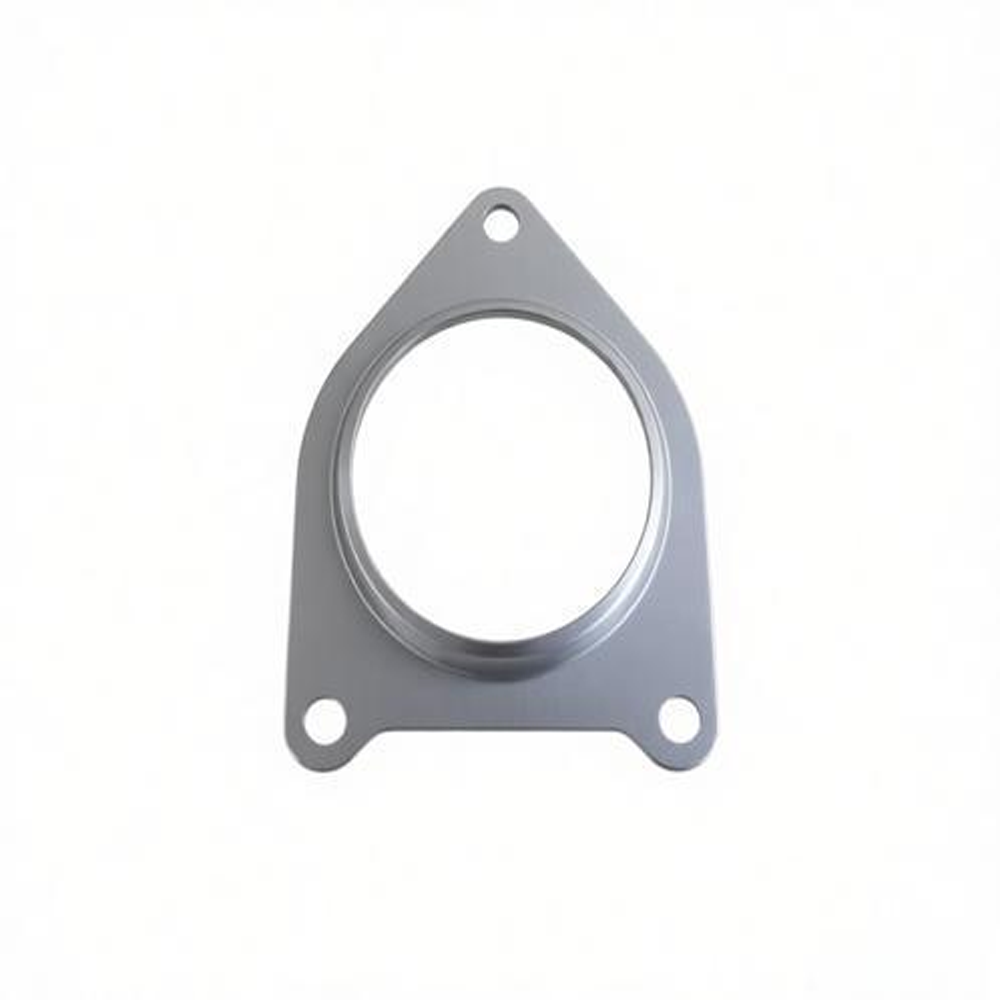
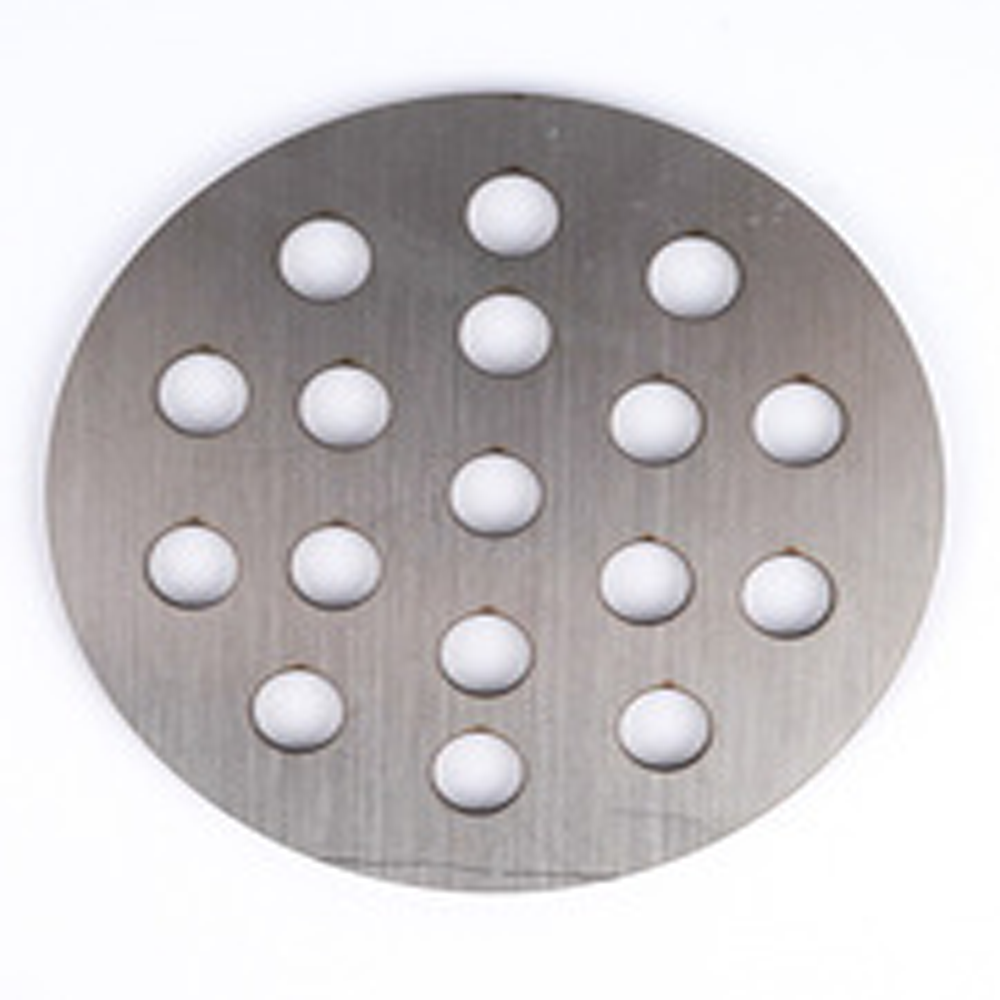
Laser cutting services achieve dimensional accuracy impossible with conventional methods. The non-contact process eliminates mechanical forces that distort workpieces, while the narrow kerf width (typically 0.1-0.3mm) preserves material utilization. Computer-controlled motion systems follow programmed paths with positioning accuracy of ±0.025mm.
Accuracy benefits include:
Minimal thermal distortion through optimized parameters
Consistent edge quality across entire workpiece
No tool wear affecting cut dimensions
Complex geometries without setup changes
Repeatability across production runs
Material Capabilities and Applications
Laser cutting services process an extensive range of materials with varying thicknesses. Carbon steel up to 25mm thickness cuts efficiently with oxygen assist gas. Stainless steel requires nitrogen cutting for clean, oxide-free edges. Aluminum presents challenges due to reflectivity, but modern fiber lasers handle this material effectively up to 15mm thickness.
Non-metal applications include:
Plastics and polymers
Composite materials
Wood and wood products
Ceramics and glass
Textiles and organic materials
Cost Efficiency and Production Benefits
While laser cutting services require significant capital investment, operational advantages deliver substantial cost savings. Reduced material waste through optimized nesting improves yield rates. Elimination of tooling costs benefits prototype and low-volume production. Faster setup times and higher cutting speeds increase throughput compared to traditional methods.
Modern systems incorporate automation features including:
Automatic nozzle changing
Material loading and unloading
Real-time process monitoring
Predictive maintenance systems
Integrated quality inspection
Quality Enhancement Through Laser Technology
Laser cutting services produce edge quality meeting stringent specifications without secondary operations. Edge roughness values (Ra) below 12.5 micrometers eliminate deburring requirements in many applications. Heat-affected zones typically measure less than 0.1mm, preserving material properties adjacent to cuts.
For critical applications, laser cutting services provide:
Documented process parameters
Statistical quality data
Material certifications
First article inspection reports
Traceability documentation
Industry Applications and Case Studies
Automotive manufacturers rely on laser cutting services for body panels, chassis components, and intricate interior parts. Aerospace applications demand the precision and repeatability that laser technology provides for structural components and engine parts. Medical device manufacturers benefit from the cleanliness and accuracy essential for surgical instruments and implants.
Electronics producers utilize laser cutting services for circuit boards, enclosures, and EMI shielding components. The construction industry applies laser-cut components in structural steel, architectural elements, and HVAC systems.
Frequently Asked Questions
What accuracy can laser cutting services achieve?
Professional laser cutting services achieve dimensional tolerances of ±0.05mm to ±0.1mm for most materials. Positioning accuracy reaches ±0.025mm with modern CNC systems, ensuring consistent results across complex parts.
How thick can laser cutting services cut?
Laser cutting services handle varying thicknesses depending on material and laser power. High-power fiber lasers cut steel up to 30mm, aluminum to 15mm, and stainless steel to 20mm. Higher powers enable thicker materials.
What materials work best with laser cutting?
Laser cutting services excel with metals including carbon steel, stainless steel, and aluminum. Non-metals like acrylic, wood, and composites also process effectively. Highly reflective materials like copper require specialized fiber laser systems.
Is laser cutting cost-effective for small production runs?
Yes, laser cutting services eliminate tooling costs, making them ideal for prototypes and small batches. Programming and setup times are minimal compared to stamping or die cutting, providing economic advantages for low-volume production.
What file formats do laser cutting services require?
Laser cutting services accept DXF, DWG, and vector PDF formats for 2D cutting. For complex parts, 3D models in STEP or IGES format help verify designs. Most fabricators provide design guidelines for optimal results.
Conclusion
Laser cutting services represent a cornerstone of modern precision manufacturing, offering accuracy, efficiency, and versatility unmatched by conventional methods. The technology's evolution continues expanding capabilities while reducing costs, making advanced cutting accessible to manufacturers across industries. Selecting qualified laser cutting services partners ensures access to current technology and expertise necessary for competitive manufacturing operations.
As automation and artificial intelligence integrate with laser systems, future laser cutting services will deliver even greater precision, speed, and cost efficiency. Manufacturers investing in laser technology position themselves for continued competitiveness in demanding global markets.
References
Steen, W. M., & Mazumder, J. (2010). Laser Material Processing (4th ed.). Springer.
Chryssolouris, G. (2005). Laser Machining: Theory and Practice. Springer.
O'Neill, W., & Steen, W. M. (2015). A History of Industrial Laser Applications. Cambridge University Press.
Powell, J. (2018). CO2 Laser Cutting (3rd ed.). Springer.
Rizvi, N. H., & Smith, D. J. (2018). Fiber Laser Cutting Technology. Industrial Laser Solutions, 33(2), 12-18.
