
Sheet Metal Fabrication Process: From Design to Production
Understanding Sheet Metal Fabrication
Sheet metal fabrication is a critical manufacturing process that transforms flat metal sheets into functional components and structures. This versatile technique serves industries ranging from automotive and aerospace to construction and electronics, enabling the production of everything from simple brackets to complex enclosures.
Modern sheet metal fabrication combines traditional craftsmanship with advanced technologies like CNC machining, laser cutting, and automated bending systems. According to industry data, the global sheet metal fabrication market is projected to reach $33.5 billion by 2027, driven by increasing demand from manufacturing sectors.
The Design Phase: Engineering for Manufacturability
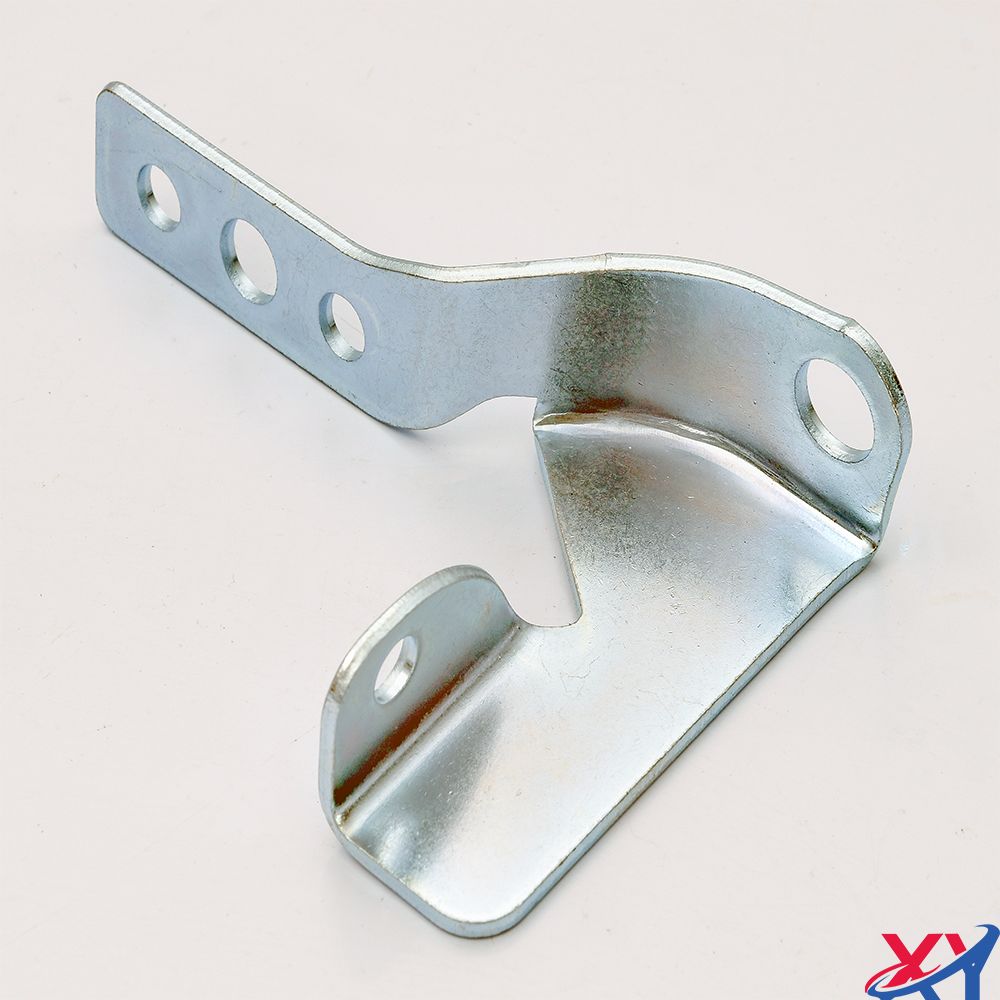
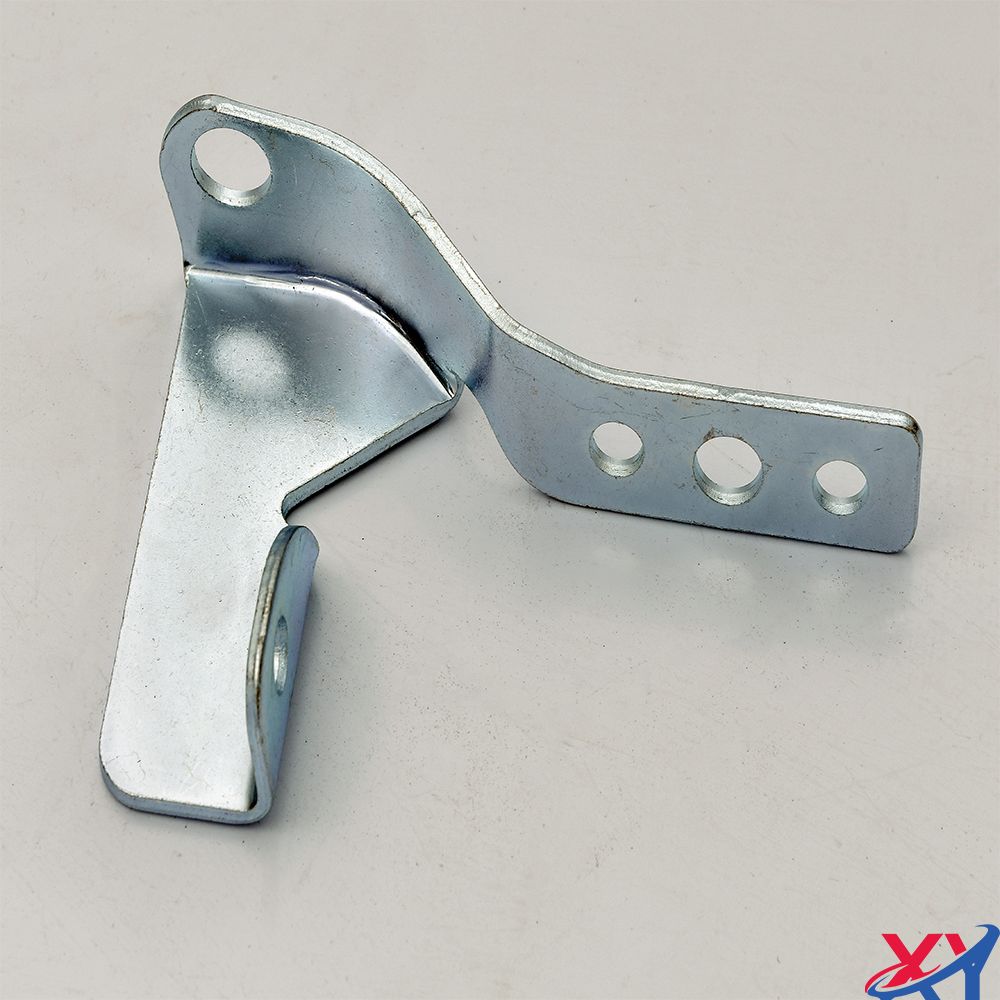
Successful sheet metal fabrication begins with design for manufacturability (DFM). Engineers must consider material properties, bend radii, hole spacing, and tolerance requirements during this critical phase. Computer-aided design (CAD) software enables precise modeling while identifying potential production challenges before manufacturing begins.
Key design considerations include:
Material thickness and grade selection
Bend allowance calculations
Minimum flange lengths
Hole-to-edge distances
Surface finish requirements
Material Selection and Preparation
The choice of material significantly impacts the sheet metal fabrication process. Common materials include cold-rolled steel, stainless steel, aluminum, copper, and specialized alloys. Each material presents unique challenges regarding formability, weldability, and corrosion resistance.
Material preparation involves cutting raw sheets to appropriate sizes using shearing, sawing, or laser cutting techniques. Proper preparation ensures consistent quality throughout subsequent fabrication stages and minimizes material waste.
Cutting Technologies in Sheet Metal Fabrication
Modern cutting methods have revolutionized sheet metal fabrication. Laser cutting offers exceptional precision with tolerances as tight as ±0.1mm, making it ideal for intricate designs. Plasma cutting provides cost-effective solutions for thicker materials, while water jet cutting handles heat-sensitive materials without thermal distortion.
CNC punching machines deliver high-speed production for standard shapes and patterns. The selection of cutting technology depends on material type, thickness, complexity, and production volume requirements.
Forming and Bending Operations
Bending transforms flat sheets into three-dimensional components through controlled deformation. Press brakes equipped with CNC controls achieve precise angles and consistent results across production runs. Modern systems can execute complex bend sequences automatically, reducing setup time and improving accuracy.
Other forming operations include:
Rolling for cylindrical shapes
Stamping for high-volume production
Deep drawing for enclosed containers
Embossing for decorative or functional patterns
Joining and Assembly Techniques
Sheet metal fabrication employs various joining methods depending on application requirements. Welding techniques including MIG, TIG, and spot welding create permanent bonds with excellent strength. Mechanical fasteners, rivets, and self-clinching hardware provide detachable connections for serviceable assemblies.
Adhesive bonding has gained popularity for joining dissimilar materials or when thermal processes might damage sensitive components. Modern structural adhesives achieve bond strengths comparable to traditional welding methods in many applications.
Surface Treatment and Finishing
Finishing processes enhance both aesthetics and functionality in sheet metal fabrication. Powder coating provides durable, corrosion-resistant surfaces in various colors. Anodizing improves aluminum's natural oxide layer for enhanced wear resistance. Electroplating deposits metallic coatings for improved conductivity or corrosion protection.
Additional finishing options include:
Painting and liquid coatings
Passivation for stainless steel
Chemical conversion coatings
Polishing and brushed finishes
Quality Control and Inspection
Rigorous quality assurance ensures fabricated components meet specifications. Coordinate measuring machines (CMM) verify dimensional accuracy, while visual inspection identifies surface defects. Non-destructive testing methods including ultrasonic and X-ray inspection detect internal flaws in critical applications.
Statistical process control monitors production parameters to maintain consistency. First article inspection (FAI) validates initial production runs before full-scale manufacturing proceeds.
Frequently Asked Questions
What materials are commonly used in sheet metal fabrication?
Sheet metal fabrication commonly uses steel, stainless steel, aluminum, copper, and brass. Material selection depends on application requirements including strength, corrosion resistance, conductivity, and cost considerations.
How accurate is modern sheet metal fabrication?
Advanced sheet metal fabrication achieves tolerances as tight as ±0.1mm for laser cutting and ±0.5mm for bending operations. CNC-controlled equipment ensures consistent accuracy across production runs.
What is the typical lead time for sheet metal fabrication projects?
Lead times vary based on complexity and volume. Simple prototypes may complete within days, while complex assemblies requiring multiple processes might need several weeks. Modern fabricators offer expedited services for urgent requirements.
Can sheet metal fabrication handle high-volume production?
Yes, automated sheet metal fabrication systems support high-volume production with consistent quality. Progressive stamping dies and automated fabrication cells achieve production rates exceeding thousands of parts per hour.
What design files are needed for sheet metal fabrication?
Fabricators typically require 3D CAD models in formats like STEP, IGES, or native software files. 2D drawings with dimensions, tolerances, and specifications supplement 3D models for comprehensive manufacturing instructions.
Conclusion
Sheet metal fabrication represents a sophisticated manufacturing process combining engineering expertise with advanced technology. From initial design through final finishing, each stage requires careful planning and execution to achieve optimal results. Understanding the complete process enables engineers and procurement professionals to make informed decisions when selecting fabrication partners and specifying project requirements.
As manufacturing technology continues evolving, sheet metal fabrication will integrate increasing automation, artificial intelligence, and sustainable practices. Partnering with experienced fabricators ensures access to current capabilities while preparing for future advancements in this essential manufacturing discipline.
References
Kalpakjian, S., & Schmid, S. R. (2014). Manufacturing Engineering and Technology (7th ed.). Pearson.
Groover, M. P. (2016). Fundamentals of Modern Manufacturing (6th ed.). Wiley.
Totten, G. E. (2006). Steel Heat Treatment: Metallurgy and Technologies. CRC Press.
ASM International. (2018). ASM Handbook, Volume 14B: Metalworking: Sheet Forming. ASM International.
Davim, J. P. (2015). Modern Mechanical Engineering: Research, Development and Education. Springer.
