
The Role of CNC Machining Services in Modern Manufacturing
CNC machining services form the backbone of precision manufacturing, enabling production of complex components with tolerances as tight as ±0.005mm. Computer numerical control technology transforms digital designs into physical parts through precisely controlled material removal processes. The global CNC machining market exceeded $80 billion in 2023, reflecting its critical importance across industries.
Unlike additive or forming processes, CNC machining services achieve superior accuracy and surface finish through controlled cutting operations. This subtractive approach produces fully dense parts from solid material, ensuring mechanical properties match raw material specifications.
Core Machining Processes
CNC machining services encompass multiple material removal processes. CNC milling rotates cutting tools to remove material from stationary workpieces, producing flat surfaces, slots, pockets, and complex contours. CNC turning rotates workpieces against stationary tools, creating cylindrical features including diameters, tapers, and threads.
Essential CNC processes include:
Vertical and horizontal milling
CNC turning and screw machining
Wire and sinker EDM
Surface and cylindrical grinding
Drilling and boring operations
Thread milling and tapping
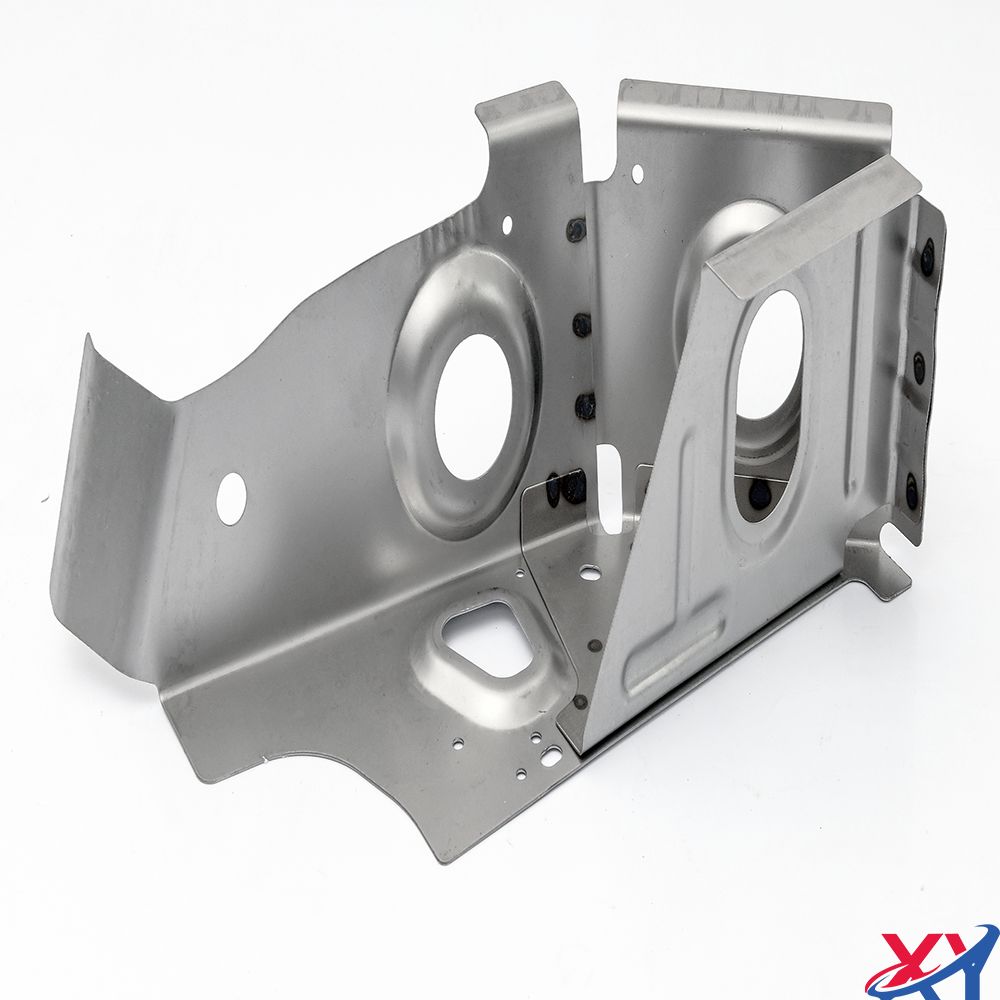
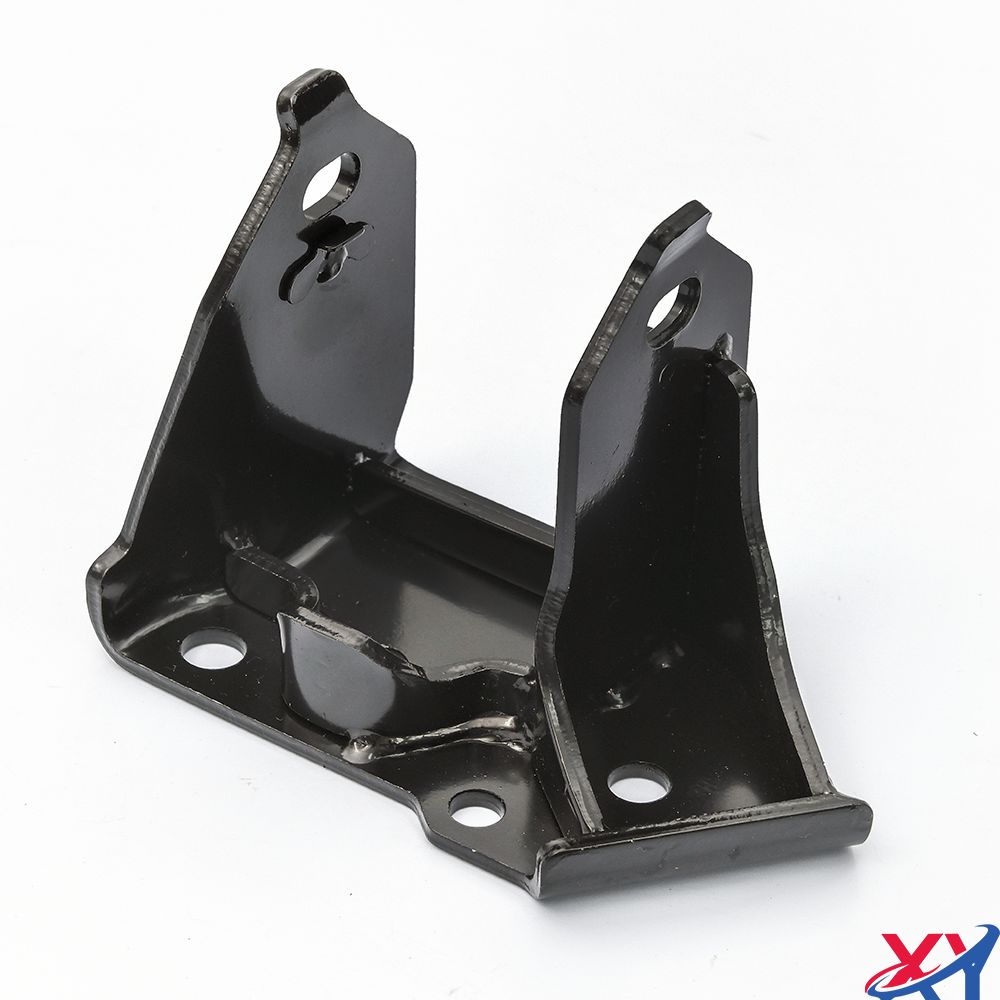
Multi-Axis Machining Capabilities
Advanced CNC machining services utilize multi-axis machines that position cutting tools in multiple orientations simultaneously. 3-axis machines move in X, Y, and Z directions. 4-axis systems add rotational capability. 5-axis machines provide two additional rotary axes, enabling complex geometries impossible on conventional equipment.
Multi-axis advantages include:
Complex contours without multiple setups
Undercut features machined directly
Improved surface finish through optimal tool orientation
Reduced handling and setup time
Enhanced accuracy through single-setup processing
Materials Processed by CNC Machining Services
CNC machining services process virtually any solid material, from soft plastics to exotic alloys. Aluminum alloys machine easily, offering excellent strength-to-weight ratios. Steel grades from mild carbon to hardened tool steel require varying parameters. Stainless steels present challenges with work hardening but machine successfully with appropriate tooling.
Exotic materials include:
Titanium alloys for aerospace and medical applications
Inconel and Hastelloy for high-temperature environments
Copper and brass for electrical applications
Engineering plastics including PEEK, Delrin, and nylon
Composites and fiber-reinforced materials
Precision and Tolerance Capabilities
CNC machining services achieve precision levels meeting the most demanding requirements. Standard machining tolerances of ±0.05mm suit most applications. Precision machining reaches ±0.01mm with careful process control. Ultra-precision machining achieves ±0.005mm or better through specialized equipment, controlled environments, and optimized parameters.
Factors affecting precision include:
Machine tool accuracy and rigidity
Cutting tool condition and selection
Workpiece material and heat treatment
Fixturing and clamping methods
Environmental conditions
Quality Assurance Systems
Professional CNC machining services implement comprehensive quality management systems. ISO 9001 certification provides foundational quality frameworks. AS9100 addresses aerospace requirements. IATF 16949 covers automotive applications. ISO 13485 governs medical device manufacturing.
Quality verification methods include:
Coordinate measuring machine (CMM) inspection
Optical measurement systems
Surface roughness testing
Hardness verification
Material certification review
Prototype to Production Support
CNC machining services support the complete product development cycle. Prototyping capabilities enable rapid iteration during design phases. Bridge production fills gaps between prototype and full manufacturing. Low-volume production serves specialized markets or initial launches. High-volume production leverages automation and optimized processes.
Development support includes:
Design for manufacturability consultation
Material selection guidance
Rapid prototyping services
First article inspection
Production documentation
Surface Finish and Secondary Operations
As-machined surfaces typically achieve 1.6 to 3.2 micrometer Ra roughness. Precision machining reaches 0.8 micrometer Ra. Additional finishing operations enhance functional or aesthetic properties. Anodizing protects aluminum while providing color options. Powder coating adds durable, colored finishes. Plating improves corrosion resistance or conductivity.
Secondary operations include:
Heat treatment for hardness modification
Passivation for stainless steel
Polishing and buffing
Bead blasting and tumbling
Assembly and kitting services
Frequently Asked Questions
What tolerances can CNC machining services achieve?
CNC machining services achieve standard tolerances of ±0.05mm, precision tolerances of ±0.01mm, and ultra-precision tolerances of ±0.005mm or better. Actual capability depends on geometry, material, and equipment.
What file formats do CNC machining services require?
CNC machining services accept STEP, IGES, Parasolid, and native CAD formats for 3D models. 2D drawings in PDF or DWG format specify dimensions, tolerances, and requirements. Many providers offer design review and optimization.
How long does CNC machining take?
CNC machining services deliver prototype parts in 1-5 days depending on complexity. Production runs require quoted lead times based on volume, material availability, and finishing requirements. Rush services may expedite delivery.
What are the cost drivers in CNC machining?
CNC machining services costs depend on material type and size, machining time, part complexity, tolerance requirements, and finishing operations. Design optimization reduces costs through simplified machining and standard tooling.
Can CNC machining services handle complex geometries?
Yes, 5-axis CNC machining services produce complex geometries including undercuts, organic shapes, and multiple feature orientations. Multi-axis capability eliminates multiple setups while maintaining accuracy throughout.
Conclusion
CNC machining services deliver unmatched versatility and precision for industrial component manufacturing. From prototype development through high-volume production, CNC technology produces complex parts meeting stringent requirements across industries. Selecting qualified machining partners with appropriate capabilities, quality systems, and technical expertise ensures successful outcomes.
Continued advancement in machine tool technology, cutting tools, and process optimization expands CNC machining services capabilities while improving efficiency. Manufacturers leveraging these advances gain competitive advantages through superior product quality and reduced time to market.
References
Boothroyd, G., & Knight, W. A. (2016). Fundamentals of Machining and Machine Tools (3rd ed.). CRC Press.
Groover, M. P. (2016). Automation, Production Systems, and Computer-Integrated Manufacturing (4th ed.). Pearson.
Krar, S. F., & Check, A. F. (2014). Technology of Machine Tools (8th ed.). McGraw-Hill.
Black, J. T., & Kohser, R. A. (2012). DeGarmo's Materials and Processes in Manufacturing (11th ed.). Wiley.
Childs, T. H. C., et al. (2016). Metal Machining: Theory and Applications. CRC Press.
