
What Is Sheet Metal Fabrication and How Does It Work?
In modern manufacturing, sheet metal fabrication is one of the most versatile and widely used production methods for creating precision metal components.
From aerospace assemblies and automotive body panels to industrial enclosures and HVAC systems, sheet metal fabrication supports countless industries by transforming flat metal sheets into functional parts.
For procurement managers, engineers, and industrial buyers, understanding this process is essential when sourcing reliable and cost-effective metal manufacturing solutions.
1. Understanding Sheet Metal Fabrication
Sheet metal fabrication is a manufacturing process that transforms flat metal sheets into three-dimensional structural or functional components.
Unlike casting or forging, which involve molten or heated metal, fabrication begins with finished sheet or plate stock, typically ranging from 0.3 mm to 25 mm in thickness.
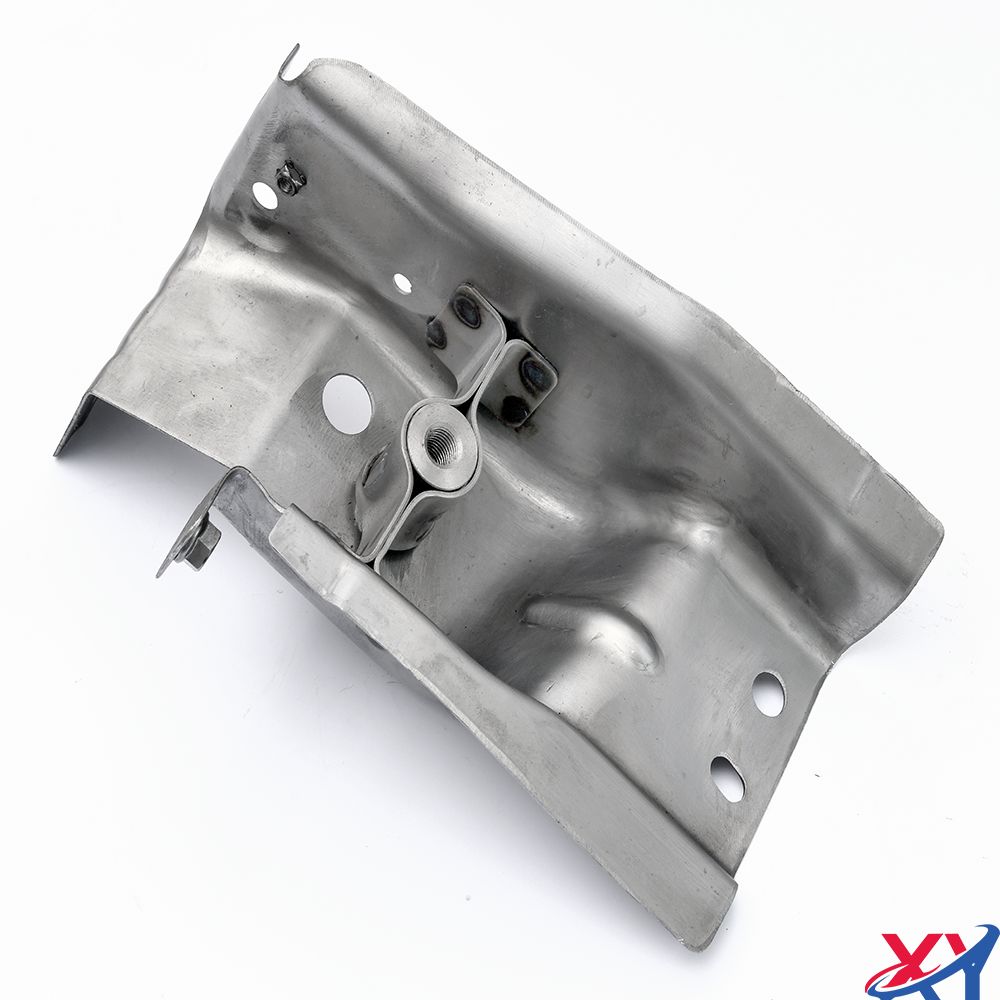
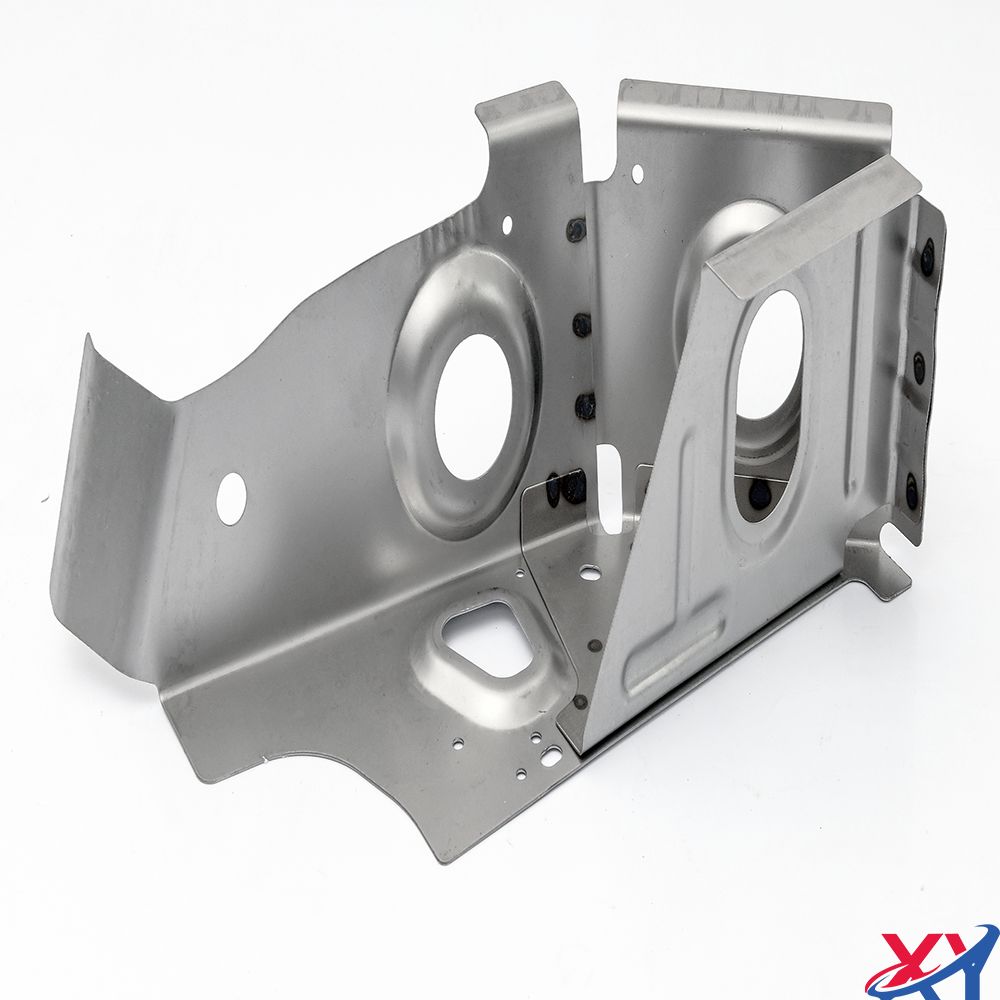
Common Materials Used
Cold Rolled Steel
Stainless Steel
Aluminum
Copper
Brass
Material selection is typically based on:
Strength requirements
Corrosion resistance
Weight limitations
Cost efficiency
Why Sheet Metal Is So Effective
One major advantage of sheet metal is its excellent strength-to-weight ratio.
A flat metal sheet becomes significantly stronger when formed into:
Channels
Boxes
Ribbed panels
Structural enclosures
This principle allows manufacturers to create lightweight yet highly durable structures without relying on expensive specialty alloys.
2. Step-by-Step Sheet Metal Fabrication Process
A typical sheet metal fabrication project follows a structured workflow designed to maximize precision and minimize waste.
Step 1: Design & Engineering
Engineers first create digital drawings using CAD software.
The design specifies:
Material grade
Thickness
Dimensional tolerances
Surface finish requirements
These files guide every manufacturing process that follows.
Why It Matters
Accurate engineering drawings reduce production errors and improve manufacturing efficiency.
Step 2: Material Selection
Selecting the correct metal directly affects product performance.
Common Choices for Structural Applications
Hot Rolled Steel (HRPO)
Cold Rolled Steel
Common Choices for Corrosion Resistance
Stainless Steel 304 / 316
Marine-Grade Aluminum Alloys
Step 3: Cutting
The metal sheet is cut into the required profile using advanced cutting technology.
Common Cutting Methods
Laser Cutting
Plasma Cutting
Waterjet Cutting
Among these methods, laser cutting is widely considered the industry standard for complex parts.
Advantages of Laser Cutting
Precision up to ±0.05 mm
Excellent edge quality
Minimal heat-affected zone
High production speed
Step 4: Forming and Bending
After cutting, the sheet moves to CNC press brake machines for bending.
The metal is formed into the desired angles and structures.
Critical Factors
Bend sequence planning
Spring-back compensation
Die design accuracy
Proper control of these variables ensures dimensional consistency and product quality.
Step 5: Joining and Assembly
Individual parts are assembled using various joining methods.
Common Assembly Techniques
MIG Welding
TIG Welding
Spot Welding
Riveting
Bolting
Adhesive Bonding
For structural or leak-tight applications, welding is often the preferred solution.
Step 6: Surface Finishing
Surface finishing improves both durability and appearance.
Common Finishing Options
Powder Coating
Anodizing
Electroplating
Stainless Steel Passivation
Key Benefits
Improved corrosion resistance
Enhanced appearance
Extended service life
3. Key Manufacturing Techniques Used in Sheet Metal Fabrication
Different manufacturing methods are selected based on product design, complexity, and production volume.
Press Brake Bending
Press brake bending is the most widely used forming process.
It can create:
V-shaped bends
U-shaped bends
Channel bends
This process is suitable for both prototypes and mass production.
Deep Drawing
Deep drawing is commonly used for manufacturing:
Cylindrical parts
Box-shaped enclosures
Fuel tanks
Metal housings
The sheet metal is stretched into a die cavity to create deep, seamless forms.
Metal Spinning and Flow Forming
A rotating metal sheet is gradually shaped using rollers.
This process is ideal for:
Conical shapes
Cylindrical products
Thin-wall metal parts
Stamping and Progressive Die Manufacturing
For high-volume production, stamping is often the most efficient solution.
Typical operations include:
Piercing
Blanking
Coining
Embossing
This method delivers extremely high production speeds and low unit costs.
4. How to Choose the Right Fabrication Partner
Choosing the right supplier directly impacts:
Product quality
Production speed
Manufacturing cost
Supply chain reliability
Evaluate Technical Capability
Look for suppliers equipped with:
CNC Laser Cutting Machines
CNC Press Brakes
Welding Equipment
Multi-Axis Bending Systems
Verify Quality Certifications
Important certifications include:
ISO 9001:2015
AWS D1.1 (Structural Welding)
ISO 3834 (Welding Quality)
For specialized industries:
AS9100 (Aerospace)
ISO 13485 (Medical Manufacturing)
Confirm Material Traceability
Reliable suppliers should provide Mill Test Reports (MTRs).
These reports verify that material chemistry and mechanical properties meet specification requirements.
Look for DFM Support
An experienced fabrication partner should offer Design for Manufacturability (DFM) recommendations to:
Reduce manufacturing costs
Improve structural strength
Simplify assembly
DFM support often creates significant value beyond fabrication itself.
5. Common Applications of Custom Sheet Metal Parts
Sheet metal fabrication serves nearly every industrial sector.
Steel Structure and Warehouse Construction
Typical products include:
Roof panels
Wall cladding
Structural brackets
Ventilation duct systems
Steel frame structures combined with sheet metal cladding remain a standard solution for industrial warehouses.
Energy and Utilities
Common applications include:
Electrical enclosures
Outdoor equipment housings
Cable management systems
Control cabinets
Protective coatings help extend product lifespan in harsh operating environments.
Transportation Industry
Sheet metal is widely used in:
Vehicle body panels
Trailer floors
Chassis components
Structural frames
Manufacturers strive to achieve both lightweight construction and structural integrity.
6. Cost Factors and Production Lead Time
Several factors influence fabrication costs and delivery schedules.
Material Cost
In general:
Carbon steel offers the lowest material cost.
Stainless steel typically costs two to five times more than carbon steel.
Aluminum has a higher material cost but provides significant weight savings.
Design Complexity
More complex designs generally increase manufacturing costs.
Examples include:
Tight tolerances
Complex bends
Multi-stage fabrication processes
Extensive inspection requirements
Production Volume
Higher production volumes reduce unit costs through:
Lower setup costs
Improved tooling efficiency
Reduced labor cost per part
For very large production runs, progressive die stamping often becomes the most economical option.
Lead Time
Typical production schedules include:
Simple parts: approximately 5–15 business days
Complex tooling projects: approximately 8–12 weeks
Rush production requirements may increase costs by 25–50%.
7. Material Selection Guide
Choosing the right material affects performance, durability, and overall cost.
Carbon Steel (CR / HRPO)
Advantages
Lowest material cost
Excellent weldability
Good machinability
Best Applications
Structural components
General industrial parts
Corrosion-protection coatings are typically required.
Stainless Steel (304 / 316)
Advantages
Excellent corrosion resistance
Suitable for harsh environments
Best Applications
Food processing equipment
Pharmaceutical equipment
Marine applications
Outdoor structures
Grade 316 provides superior resistance to chloride exposure.
Aluminum (5052 / 6061)
Advantages
Lightweight
Naturally corrosion resistant
Easy to machine
Best Applications
Aerospace
Transportation
Lightweight structural applications
Although aluminum is more expensive than carbon steel, lower transportation costs often offset part of the material premium.
8. Industry Standards and Certifications
Quality compliance ensures safety, consistency, and manufacturing reliability.
Important standards include:
AWS D1.1 / D1.2 for structural welding
ASTM standards for material properties
ISO 9001:2015 for quality management
EN 1090 for structural steel fabrication in Europe
For warehouse and structural projects, compliance with local building regulations and structural engineering codes is often mandatory.
Conclusion
Sheet metal fabrication is a foundational manufacturing process used across nearly every industrial sector.
Its combination of:
Precision
Material flexibility
Scalable production
Structural strength
Cost efficiency
makes it indispensable to modern manufacturing.
By understanding the complete workflow—from material selection and cutting to bending, welding, and finishing—buyers can make more informed sourcing decisions and build stronger supplier relationships.
The most successful long-term manufacturing partnerships are built on:
Clear specifications
Effective technical communication
Reliable quality control
Consistent on-time delivery
Whether producing prototypes or high-volume production runs, selecting the right fabrication partner directly impacts overall project success.
Frequently Asked Questions (FAQ)
Q1: What tolerances are possible in sheet metal fabrication?
Typical fabrication tolerances range from ±0.1 mm to ±0.25 mm.
For high-precision applications, tolerances can reach ±0.05 mm, although manufacturing costs generally increase.
Q2: What is the difference between laser cutting and plasma cutting?
Laser cutting provides:
Higher precision
Cleaner edges
Smaller heat-affected zones
Better performance on thin to medium-thickness materials
Plasma cutting offers:
Better performance on thicker plates
Lower operating costs
Faster cutting on heavy materials
Rougher edge finishes
Q3: How can I reduce fabrication costs?
Recommended strategies include:
Standardizing hole sizes
Reducing bend complexity
Using standard sheet thicknesses
Optimizing nesting layouts
Requesting a DFM review
A proper design review can often reduce manufacturing costs by 15–30%.
Q4: What finish is best for outdoor applications?
For carbon steel:
Hot-Dip Galvanizing (HDG)
Powder Coating
For stainless steel:
Electropolishing
Passivation
These finishing methods provide excellent long-term corrosion protection.
Q5: Can sheet metal parts handle structural loads?
Yes.
Sheet metal components are commonly used in:
Structural connectors
Aircraft panels
Warehouse structural systems
Reinforced industrial enclosures
When properly designed and manufactured, they can safely support substantial structural loads and meet applicable engineering requirements.
References
Groover, M. P. (2020). Fundamentals of Modern Manufacturing. Wiley.
Kalpakjian, S., & Schmid, S. R. (2021). Manufacturing Engineering and Technology. Pearson.
American Welding Society (2020). AWS D1.1 Structural Welding Code.
International Organization for Standardization (2015). ISO 9001:2015 Quality Management Systems.
ASTM International (2023). ASTM A480/A480M Standard Specification.
