Benefits of Laser Cutting Services for Custom Metal Parts
In today’s competitive industrial manufacturing landscape, precision and speed are no longer optional—they are essential.
Laser cutting services have become the preferred solution for businesses requiring high-accuracy custom metal parts, fast turnaround times, and minimal material waste. Whether you are a procurement manager sourcing industrial components or an engineer designing a new product line, understanding the advantages of modern laser cutting technology can help reduce production costs and improve sourcing efficiency.
1. What Is Laser Cutting and How Does It Work?
Laser cutting is a thermal manufacturing process that uses a highly concentrated beam of light to heat, melt, or vaporize metal along a programmed cutting path.
The system is controlled by CNC (Computer Numerical Control) technology, allowing digital design files such as CAD or DXF to be converted directly into cutting instructions with extremely high positioning accuracy.
How the Process Works
The laser cutting process typically follows these steps:
A high-power laser beam is generated using fiber laser or CO₂ laser technology.
The beam is focused through precision optics onto the metal surface.
The material melts or vaporizes instantly due to concentrated energy.
Assist gas removes molten material from the cutting area.
2. Superior Precision and Tight Tolerances
One of the biggest advantages of laser cutting services is the exceptional precision they provide.
Modern laser systems can achieve tolerances of:
±0.05 mm to ±0.15 mm
even when processing large sheet sizes up to:
3000 mm × 1500 mm
This level of accuracy significantly outperforms:
Plasma cutting
Mechanical shearing
Traditional punching methods
Ideal Applications
Laser cutting is especially valuable for:
Custom parts requiring press-fit assemblies
Components with complex geometries
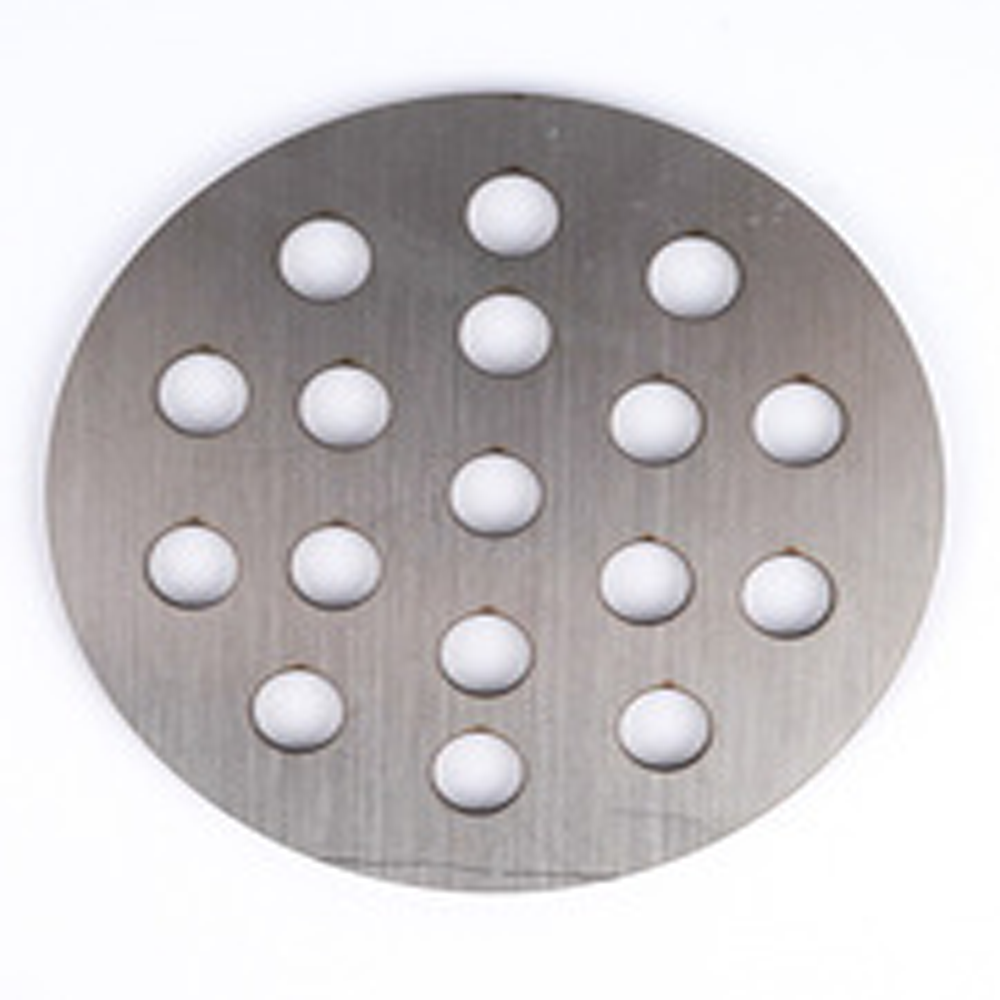
Fine holes as small as 0.5 mm diameter
High-volume production requiring consistent repeatability
3. Exceptional Edge Quality and Surface Finish
Compared with conventional cutting methods, laser cutting produces significantly cleaner edges.
A major advantage is the minimal Heat Affected Zone (HAZ), which typically remains within:
0.1–0.5 mm from the cut edge
This helps preserve:
Mechanical properties of the metal
Corrosion resistance near the cutting area
Surface integrity of the finished part
Additional Benefits
For stainless steel and aluminum applications, laser cutting offers:
Burr-free edges
Smooth cut surfaces
Reduced secondary processing
Lower deburring and finishing costs
As a result, manufacturers can shorten the production cycle from raw material to finished part.
4. Speed and Production Efficiency
In modern manufacturing, production speed directly impacts profitability.
Compared with traditional cutting methods, laser cutting can be significantly faster.
A CNC laser cutting system can complete complex 2D profile cutting:
3–10 times faster
than:
Mechanical punching
Plasma cutting
Conventional machining
Benefits of Higher Cutting Speed
Lower machine cost per part
Faster delivery times
Improved production scalability
5. Material Versatility and Thickness Range
Laser cutting can process a wide range of metals, making it ideal for industrial manufacturing.
Fiber Laser Advantages
Fiber lasers perform exceptionally well with:
Stainless steel
Carbon steel
Aluminum
Brass
Copper
Maximum cutting thickness:
Carbon steel: up to 40 mm
CO₂ Laser Advantages
CO₂ laser systems are commonly used for:
Thick plate cutting
Structural steel processing
Non-metal material cutting
6. Seamless Integration with Sheet Metal Fabrication
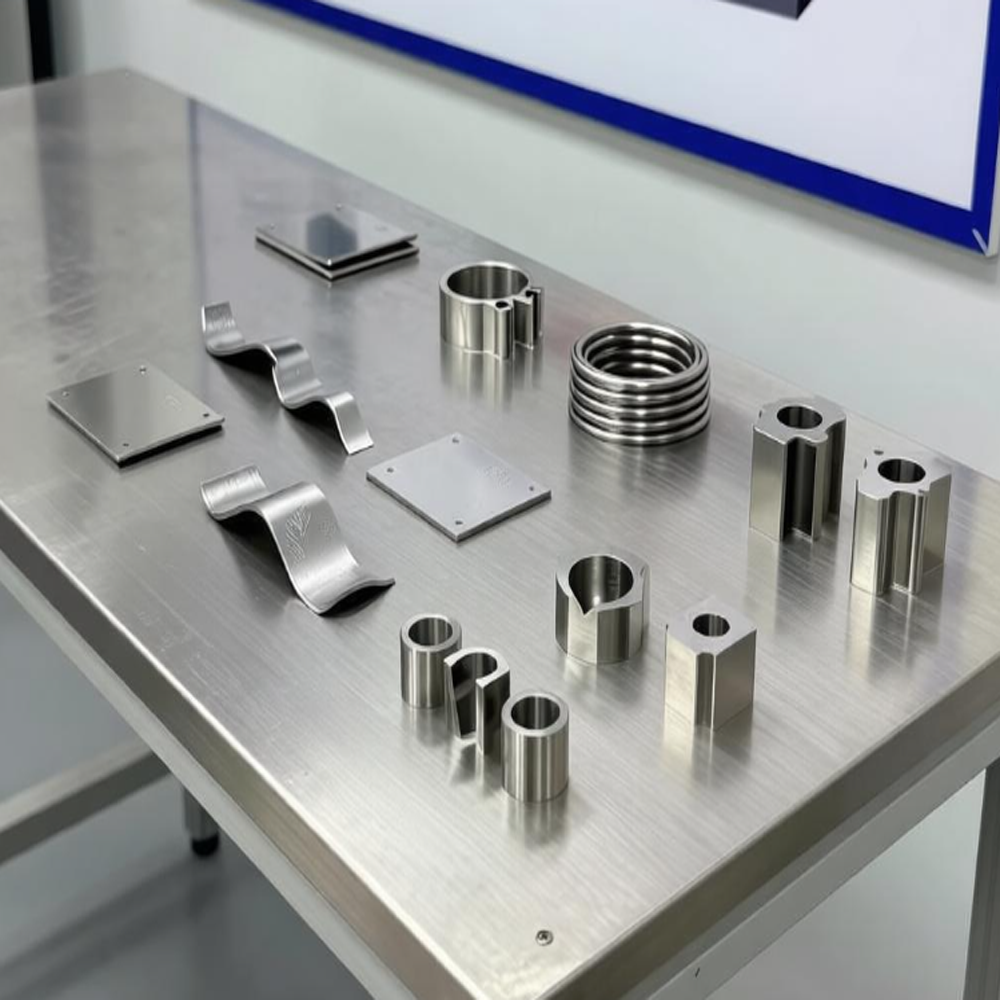
Laser cutting is rarely a standalone process. It often serves as the first stage in a complete sheet metal fabrication workflow.
Modern fabrication shops can use the same digital file for both:
Laser cutting
Press brake bending
Benefits of an Integrated Workflow
Faster production lead times
Reduced drawing interpretation errors
Faster prototype approval
Improved production consistency
8. Applications Across Multiple Industries
Laser cutting services are widely used across a variety of industrial manufacturing sectors.
Steel Structure & Warehouse Construction
Common laser-cut components include:
Structural connection plates
Base plates
Gusset plates
Precision bolt holes
High cutting accuracy directly impacts:
Structural safety
Welding quality
Building code compliance
Agricultural Machinery Manufacturing
Typical applications include:
Machine brackets
Protective guards
Body panels
Equipment housings
Key benefits:
Short production cycles
Support for custom designs
Just-in-time inventory management
Renewable Energy & Solar Systems
Laser cutting is widely used for manufacturing:
Solar mounting brackets
Rail connectors
Aluminum frames
Structural support systems
Precision fabrication helps ensure:
Proper waterproof sealing
Thermal expansion compensation
Long-term corrosion resistance
Conclusion
Laser cutting services provide an outstanding combination of:
High precision
Fast production speed
Excellent material compatibility
Superior edge quality
Reduced manufacturing costs
For businesses sourcing custom metal parts, choosing the right laser cutting supplier can directly improve production efficiency while reducing total production costs.
What to Look for in a Laser Cutting Supplier
Prioritize manufacturers that offer:
ISO 9001 certification
Advanced fiber laser cutting equipment
In-house CAD/CAM engineering capabilities
Robust quality assurance systems
Proven on-time delivery performance
The ideal manufacturing partner should be able to take your project from digital design to finished product with minimal intervention.
Frequently Asked Questions (FAQ)
Q1: What metal thickness is most efficient for laser cutting?
Fiber laser cutting performs best within the range of:
1–12 mm thickness
for both carbon steel and stainless steel.
For materials thicker than 12 mm, plasma or waterjet cutting may become more cost-effective depending on project requirements.
Q2: Can laser cutting handle complex geometries?
Yes.
Modern CNC laser systems can process:
Small holes down to 0.5 mm
Sharp corners
Complex logos
Fine lattice patterns
Intricate 2D profiles
These capabilities are standard for modern laser cutting equipment.
Q3: What is nitrogen laser cutting?
Nitrogen laser cutting uses nitrogen gas instead of oxygen during the cutting process.
Benefits
Oxide-free cut edges
No discoloration
Improved corrosion resistance
Reduced post-processing requirements
Common Applications
Stainless steel
Aluminum
Cosmetic metal components
Food-grade equipment
Q4: Can laser cutting create 3D parts?
Standard laser cutting is primarily a 2D manufacturing process.
However, manufacturers commonly create 3D components through:
Laser Cutting + Press Brake Bending
For advanced applications, specialized 5-axis 3D laser cutting systems are also available.
Q5: How can I reduce the cost of laser-cut parts?
To lower manufacturing costs:
Design around standard sheet sizes
Optimize nesting layouts
Use standard hole diameters
Combine multiple parts into a single cutting program
Consider lower-cost material alternatives
Example
Switching from stainless steel to powder-coated carbon steel can often reduce total costs while maintaining required functionality.
References
Industrial Laser Cutting of Steel — Powell, J., & Özdemir, A. E. (2021). Springer Series in Materials Science.
Laser Processing of Engineering Materials — Ion, J. C. (2005). Elsevier Butterworth-Heinemann.
ASTM B168 — ASTM International (2022).
ISO 9013:2017 — International Organization for Standardization.
Manufacturing Engineering and Technology — Kalpakjian, S., & Schmid, S. R. (2021). Pearson.
